
From Global Business to the Kitchen — A Reverse Communication System That Still Scales

Most advice about growth starts in the market and ends in the company. This article reverses the direction: start with global noise (platforms, trends, opinion cycles) and compress it down to the one place where truth is unavoidable — the kitchen. In other words: how big signals become small, repeatable habits that produce outcomes.
If “local roots, global reach” is a system for turning operations into trust, then “global business to kitchen” is a system for turning global complexity into calm execution. The goal is the same: consistency without hype.
The Reverse Thesis
Global business is full of abstractions: positioning, funnels, KPIs, channels, narratives. The kitchen is the opposite: heat, time, ingredients, tools, constraints. If a strategy can’t survive the kitchen, it was never real.
Definition
A reverse communication system is a method for converting global signals (market, competitors, trends, user feedback) into local, repeatable actions (workflows, checklists, templates) that ship value weekly.
The Kitchen Pipeline (Global → Local)
Treat global business like raw ingredients. Your job is to reduce it into a sauce: fewer variables, concentrated flavor, and a repeatable recipe. Here is the pipeline.
1) Collect: Only the signals that matter
Global business produces infinite “inputs.” Most are noise. Your first job is choosing what qualifies as an ingredient. Keep it small and objective.
Signal Rules
- Demand evidence: what people already search for or ask repeatedly.
- Friction evidence: where users get stuck, abandon, or complain.
- Cost evidence: what drains time/money every week.
- Trust evidence: what people doubt or hesitate to believe.
- Differentiation evidence: what you can prove that others can’t.
2) Reduce: Turn noise into a few stable truths
Reduction is the business version of simmering. The aim is fewer, stronger statements: what we do, for whom, why it works, and where we won’t overpromise.
Reduction Output (What you keep)
- One sentence positioning (clear audience + outcome).
- Three proof points (measured, demonstrated, or documented).
- Two boundaries (where you refuse to claim performance).
- One default format (how you explain results consistently).
3) Prep: Convert truths into tools
In the kitchen, prep makes dinner possible. In business, prep is templates and checklists. This is where strategy becomes shippable.
- A one-page message map (prevents drift).
- Two to four repeatable page types (prevents format chaos).
- A review transparency template (tested/not tested, assumptions, scope).
- An internal linking rule (every page points to a next decision).
4) Cook: Ship small batches on a schedule
Restaurants don’t reinvent dinner every night. They run a menu. Your content and communication should work the same way: small batches, predictable formats, consistent cadence.
The Weekly Menu
- 1 intent page (captures search demand).
- 1 comparison/shortlist (supports decisions).
- 1 update note (what changed and why it matters).
- 1 distribution push (newsletter + one social thread).
5) Taste: Measure and adjust weekly
A chef tastes constantly. A business measures constantly — but with discipline. Not vanity metrics: actions that prove intent and trust.
- Which pages pull qualified visitors (search intent match).
- Where readers drop (structure and clarity issues).
- Which links get clicked (next decision paths).
- Which formats win trust (returns, saves, replies).
- What to refresh (update winners, prune losers).
Two Portal Archetypes (No Details, Only Advantages)
Different markets require different “kitchen recipes,” but the same reverse pipeline applies. Here are two archetypes and what the kitchen approach enables.
Archetype A: High-signal tech decisions
- Fewer, stronger pages that map to exact questions.
- Predictable formats readers can trust.
- Transparency as brand signature (constraints, what was measured).
- Update cycles that compound authority.
Archetype B: Calm, high-trust life decisions
- Criteria-first comparisons that feel classy, not salesy.
- Shortlists instead of pressure language.
- Disclosure rules that protect trust.
- Micro-tools that keep people coming back.
Closing: The Point of the Kitchen
The kitchen is where reality wins. When your global strategy can be reduced into weekly prep, a small menu, and measurable outcomes, you’ve built something that scales without stress. The reverse system is not smaller thinking — it’s stronger execution.
Minimal Commitments
- Reduce global noise into a one-page truth set (position + proof + boundaries).
- Prep templates and checklists once (then reuse).
- Ship weekly in small batches (menu cadence).
- Taste and adjust every week (learning loop).
Related Projects
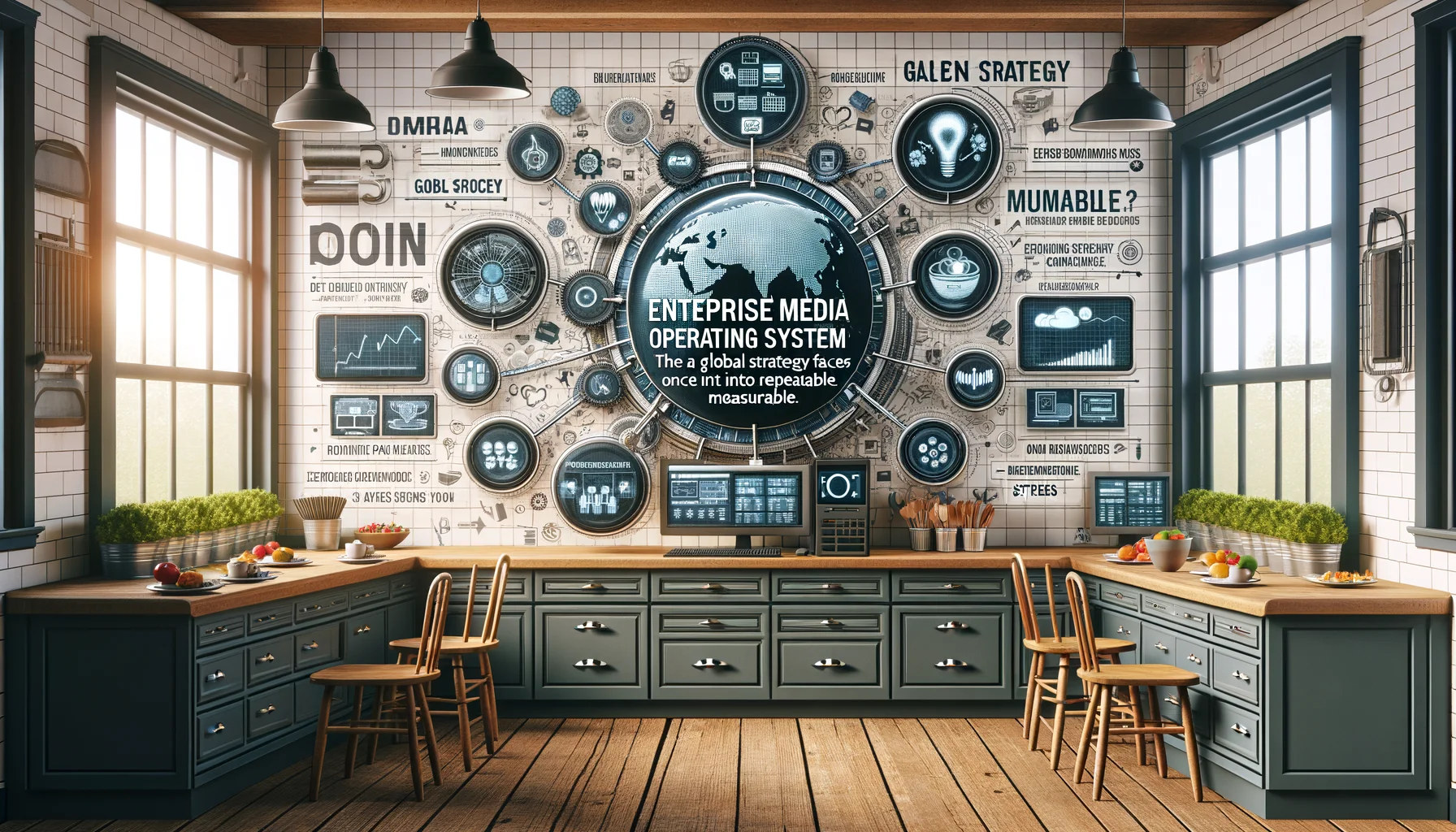
From Global Business to the Kitchen — Enterprise Media OS That Scales Calmly (stajic.de + Showcase Portals)
Global strategy only works if it survives the kitchen: constraints, cadence, clarity, and measurable output. Here’s how an Enterprise Media OS turns market noise into repeatable systems — with figure.rocks and loving.rocks as showcase implementations.

From Vision to Value: Maximizing POS ROI Through Consistent CI Creation and Strategic Branding
In modern retail, bridging the gap from creative vision to financial value requires aligning Corporate Identity (CI) with the Point of Sale (POS). This case study explores the framework for eliminating cognitive friction to enhance ROI.

Source of Truth Enterprise Intelligence Platform
A self-hosted, evidence-governed enterprise intelligence platform that turns internal company knowledge, documents and business data into traceable intelligence for research, decisions, monitoring and controlled AI execution.
Digitalization portal for Archive Museum Library
The Deutsche Museum Digital is dedicated to the digitalization and scientific exploration of the collections of objects, archives, and library of the Deutsches Museum.

SEO Mobile Web Application Munich
SEO for Mobile Web Applications in Munich: clean indexing, analytics, structured sitemaps and Google News optimization as a solid foundation for sustainable visibility.
Web Presence Making a Statement - Automobile Bauer Joomla

LibreOffice ChatGPT Macro Integration Case Study
Explore the custom Python OpenAI macro integration for ChatGPT in LibreOffice, enhancing workflows with AI assistance directly in your documents.

Local Roots, Global Reach: Implementing the Enterprise Business OS
A deep dive into transforming local business operations through the Enterprise Business OS, focusing on clear positioning, high-output content engines, and strategic distribution systems.
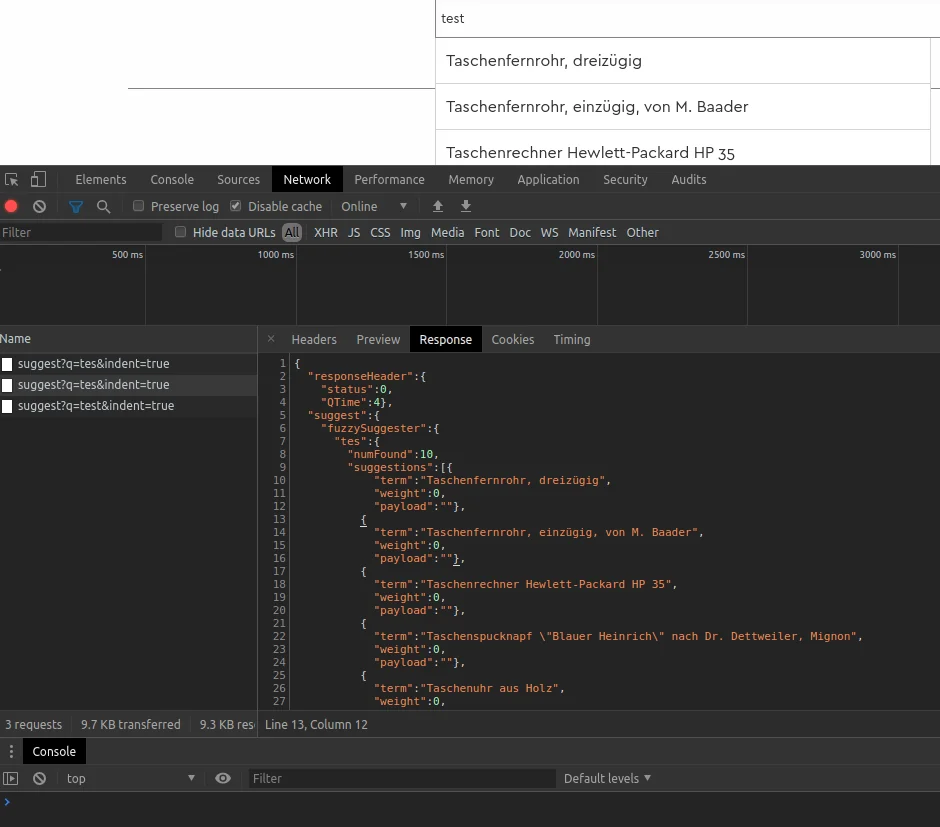
Solr Fuzzy Suggester and Solr Infix Suggester over Ajax
For effective website search, it is important that users quickly and easily find relevant results. Solr Fuzzy Suggester and Solr Infix Suggester offer an efficient solution for this. They can be called and filtered via Ajax queries.
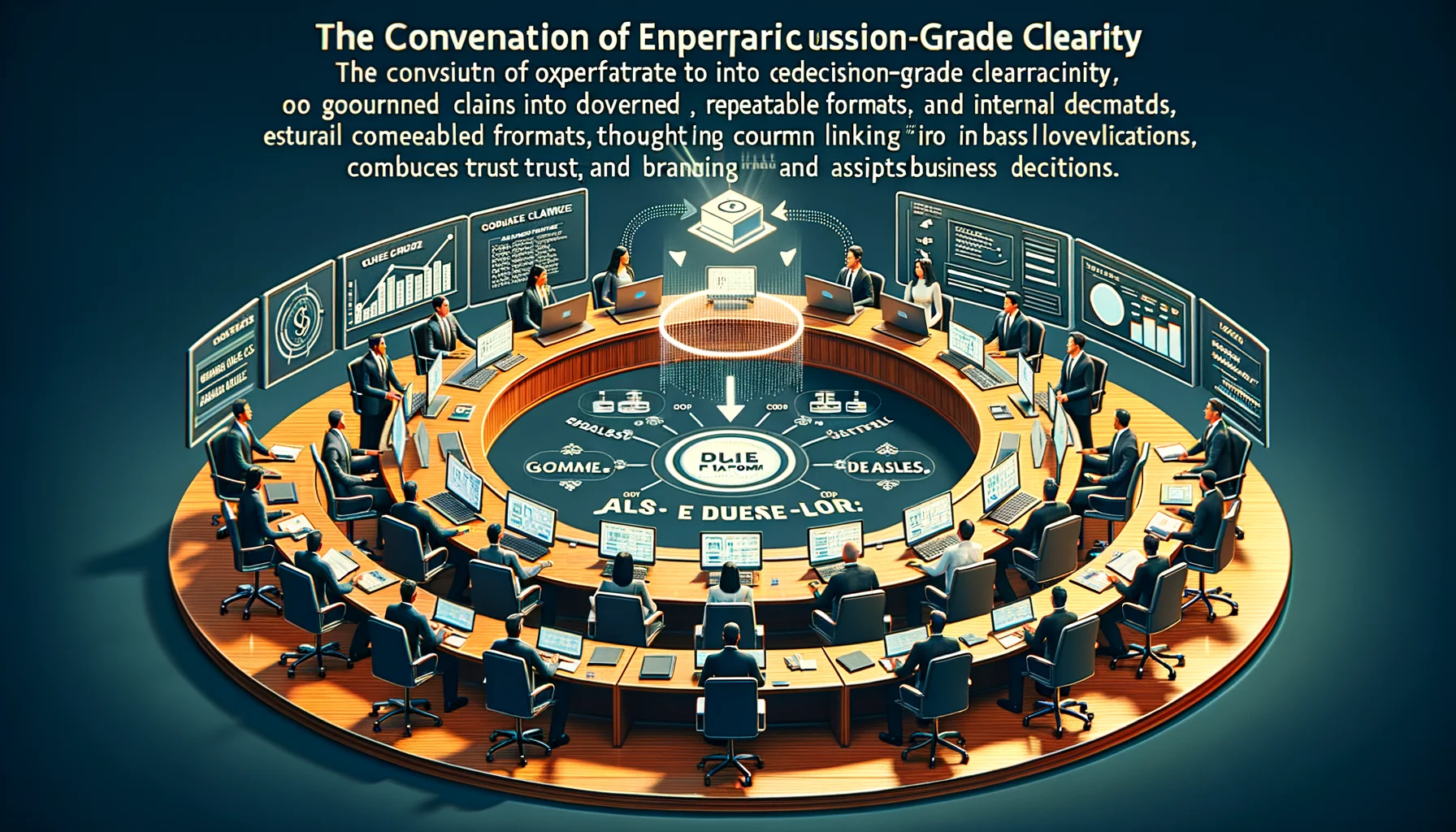
Presence Platforms — Enterprise Communication That Wins Without Competing
A Presence Platform turns operations into decision-grade clarity: governed claims, repeatable formats, internal linking that routes decisions, and a weekly learning loop that compounds trust and pipeline.

From Raw Data to Verifiable AI Context: A Practical Architecture for Agent-Ready Information
AI systems do not mainly fail because they lack more text. They fail because identity, provenance, conflicts, unknowns and validity are often missing from the context they receive. This article documents a practical architecture for turning heterogeneous business data into controlled, reusable information objects for humans, applications and agents.

Enterprise-Grade Production Platform
Enterprise-grade CMS- und Portal-Plattform mit Multi-Database-Architektur, echter Mehrsprachigkeit und professioneller WordPress-Migration. Entwickelt für skalierbare, sichere und zukunftsfähige Publishing-Systeme.