
Digital Platform Reference Model

Digital Platform Reference Model

A tech-agnostic structure for designing and operating a digital platform that supports product delivery at scale.

Read next

Overview Principles Capabilities Controls & Evidence Metrics & SLOs Anti-Patterns Apply via playbooks

Core Concepts (Digital Platform)

Observability Platform Boundaries Service Catalog Performance Budgets Caching Strategy Scaling Model Disaster Recovery Change Impact Analysis

Articles

Model-View-Controller (MVC): The Structural Backbone of Modern Web Applications

Model-View-Controller (MVC): The Structural Backbone of Modern Web Applications

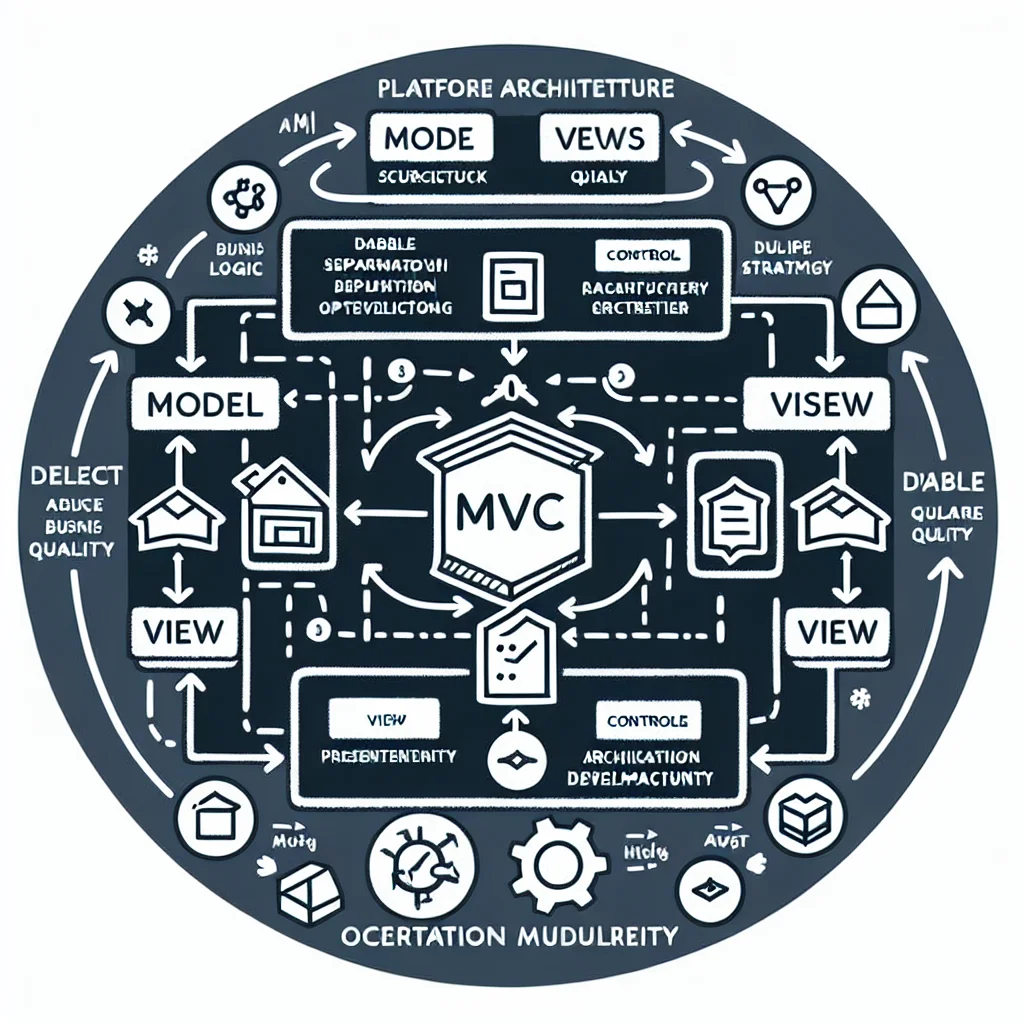
Model-View-Controller, usually shortened to MVC, remains one of the most durable architectural patterns in software development. It gives teams a practical way to separate business logic, presentation, and user interaction so applications stay easier to build, extend, test, and maintain. This article explains what MVC is, why it still matters, where it fits in today’s web stacks, and how it connects to broader platform architecture, delivery quality, migration strategy, and operational maturity.