
Digitalization portal for Archive Museum Library
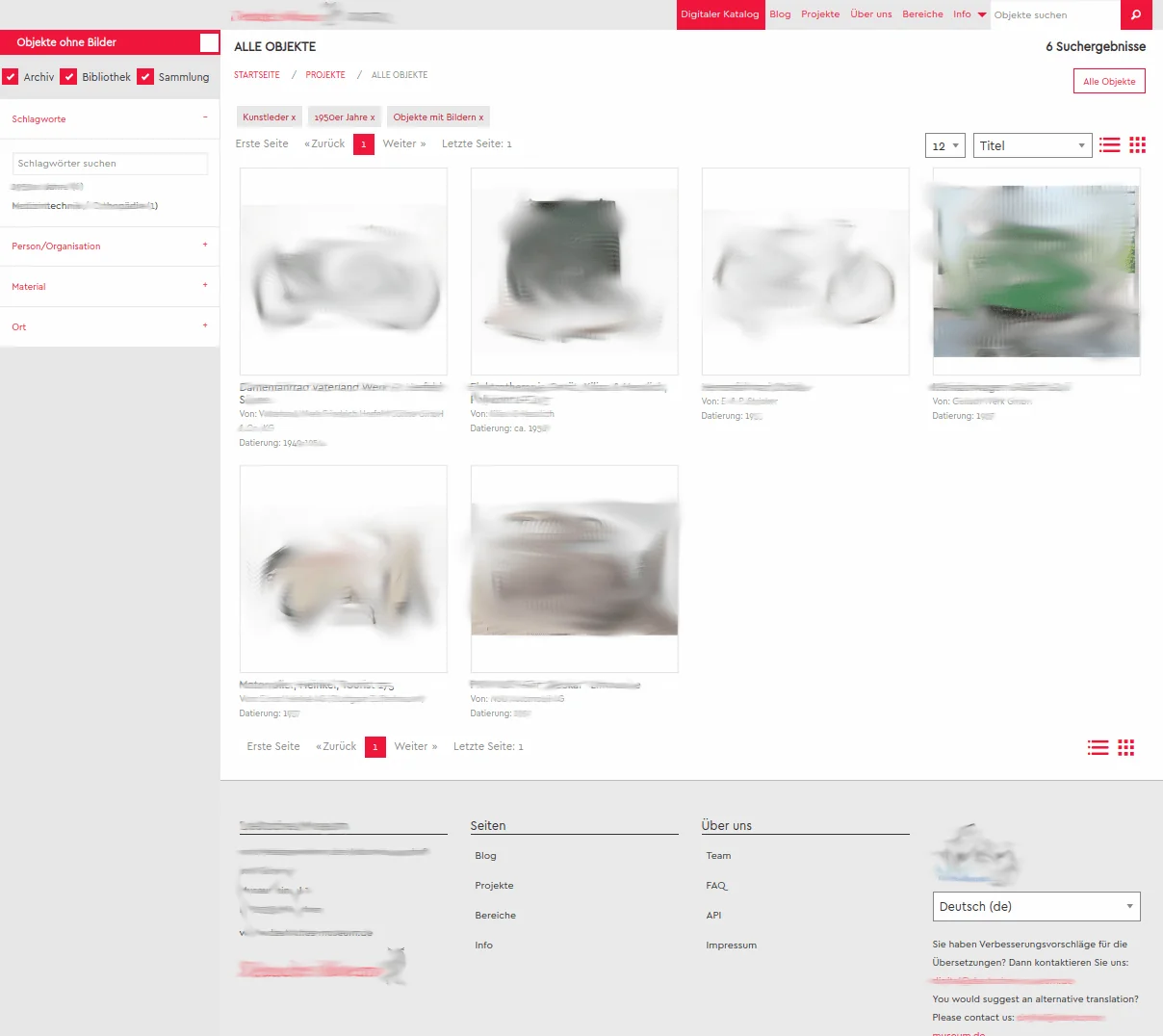
Digitalization Portal for Museums, Archives and Libraries
The portal focuses on the digitalization as well as the scientific exploration of collections from object collections, archives, and libraries.
I have developed a specialized digitalization portal for museums, archives, and libraries based on modern technologies and tailored to the needs of archivists, museum staff, and librarians.
The digitalization portal supports cultural institutions in sustainably digitizing their collections and making them accessible to a broad public. The platform offers a user-friendly interface for content management as well as structured research.
By supporting established metadata standards such as EAD, LIDO, and METS/MODS, data can be structured, standard-compliant, and efficiently imported and processed.
Technical Foundation
The technical basis of the digitalization portal is robust, scalable and future-proof. It is a modern web application implemented with HTML5, CSS3, JavaScript, and PHP.
PostgreSQL is used for data storage while Apache Solr provides powerful indexing and research capabilities for large datasets. The portal is fully responsive and optimized for use on all devices. It can be operated both locally and in a cloud environment.
Metadata Standards and Norms
The successful conversion and storage of raw data from various sources is a central component of the digitalization of cultural assets. By using three established standards, a consistent and complete description of objects is ensured.
- EAD (Encoded Archival Description) for archival collections
- LIDO (Lightweight Information Describing Objects) for collections
- METS/MODS for complex digital objects and bibliographic data
The METS/MODS format provides a balanced compromise between the very complex MARC formats and the simpler Dublin Core metadata. All mentioned standards are based on clearly defined XML schemas and enable software-independent, standardized metadata provision.
The German Research Foundation (DFG) has formulated binding guidelines for digitalization projects in the cultural sector. A central requirement is the provision of metadata in a standard-compliant and system-independent form, usually through XML coding.
By consistently adhering to these standards, sustainable digitalization at high scientific level is ensured. At the same time, long-term accessibility, reusability, and interoperability of digital collections are guaranteed.
Experience and Contact
Thanks to my long-term experience in developing complex web applications as well as my expertise in digitalization and archiving, I can guarantee you a high-quality implementation of your digitalization project.
For questions or interest in collaboration, feel free to contact me via my website or by email at aleksandar@stajic.de.
Related Projects

From Vision to Value: Maximizing POS ROI Through Consistent CI Creation and Strategic Branding
In modern retail, bridging the gap from creative vision to financial value requires aligning Corporate Identity (CI) with the Point of Sale (POS). This case study explores the framework for eliminating cognitive friction to enhance ROI.

Mobile App Creation with Apache Cordova: Cross-Platform Case Study
Explore how Apache Cordova transforms web apps into cross-platform mobile solutions for Android, iOS, and more, with detailed process, tech stack, and benefits.
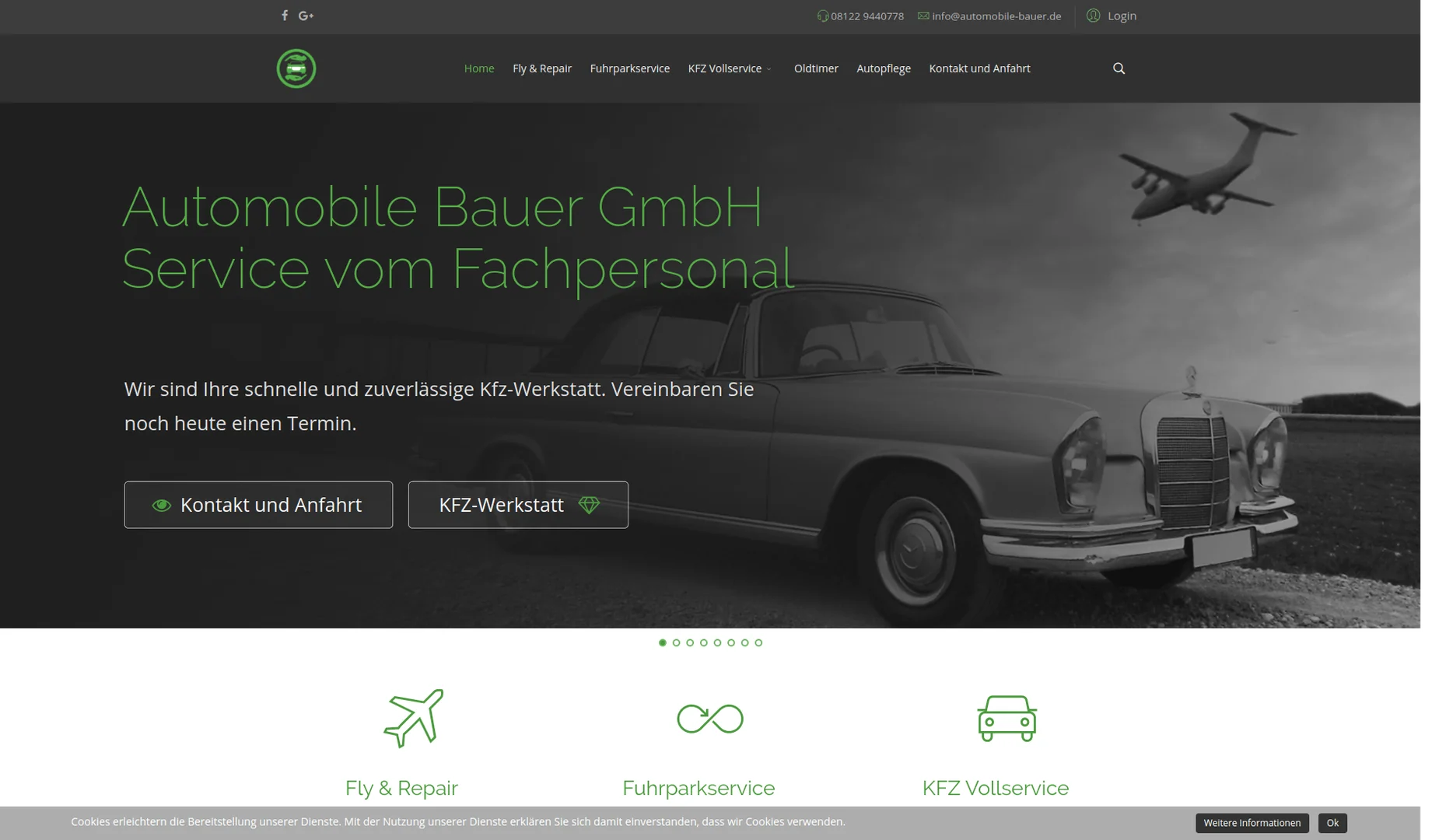
Web Presence Making a Statement - Automobile Bauer Joomla
SEO Mobile Web Application Munich
SEO for Mobile Web Applications in Munich: clean indexing, analytics, structured sitemaps and Google News optimization as a solid foundation for sustainable visibility.

From Raw Data to Verifiable AI Context: A Practical Architecture for Agent-Ready Information
AI systems do not mainly fail because they lack more text. They fail because identity, provenance, conflicts, unknowns and validity are often missing from the context they receive. This article documents a practical architecture for turning heterogeneous business data into controlled, reusable information objects for humans, applications and agents.
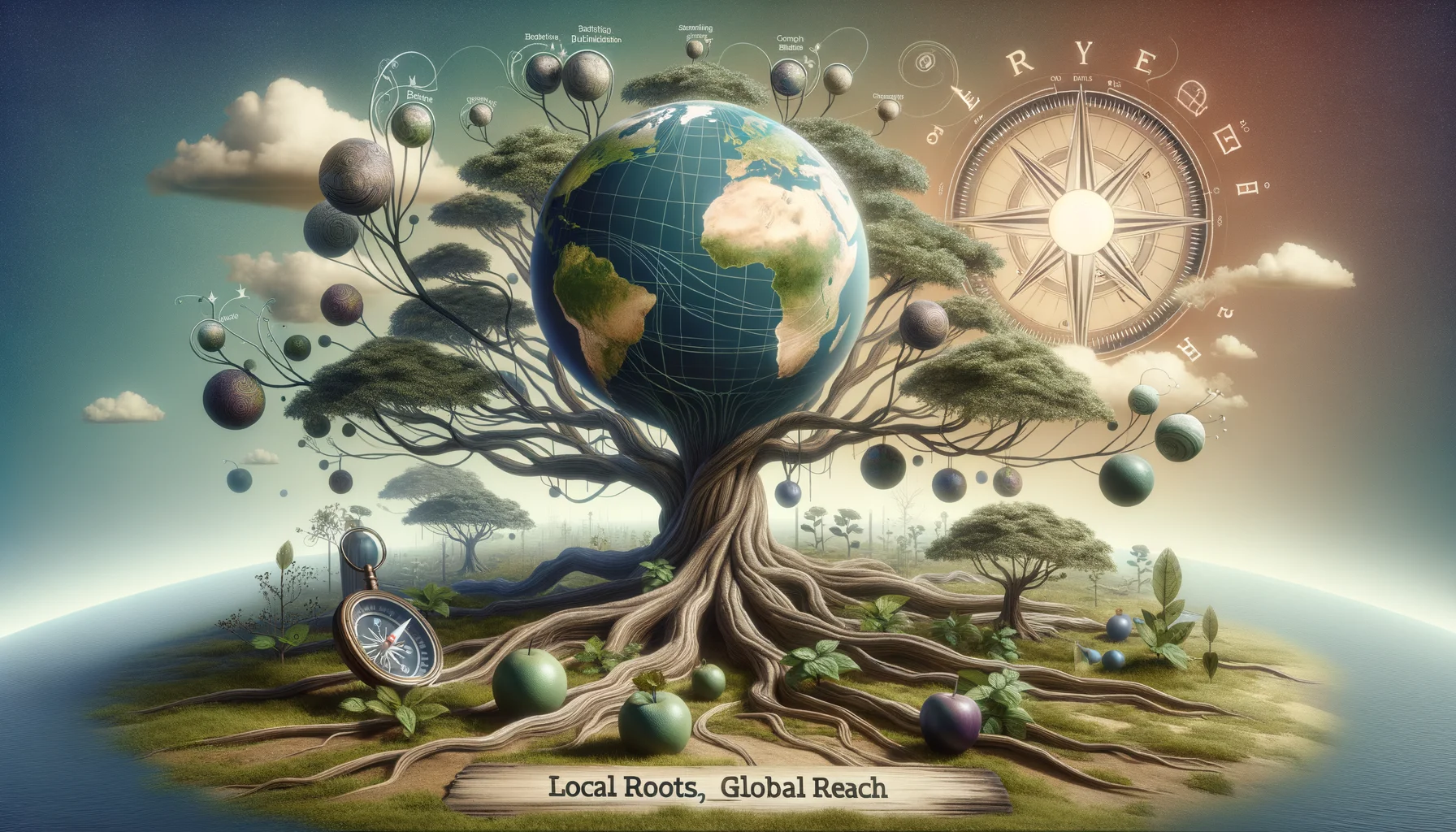
Local Roots, Global Reach: Implementing the Enterprise Business OS
A deep dive into transforming local business operations through the Enterprise Business OS, focusing on clear positioning, high-output content engines, and strategic distribution systems.

Enterprise-Grade Production Platform
Enterprise-grade CMS- und Portal-Plattform mit Multi-Database-Architektur, echter Mehrsprachigkeit und professioneller WordPress-Migration. Entwickelt für skalierbare, sichere und zukunftsfähige Publishing-Systeme.
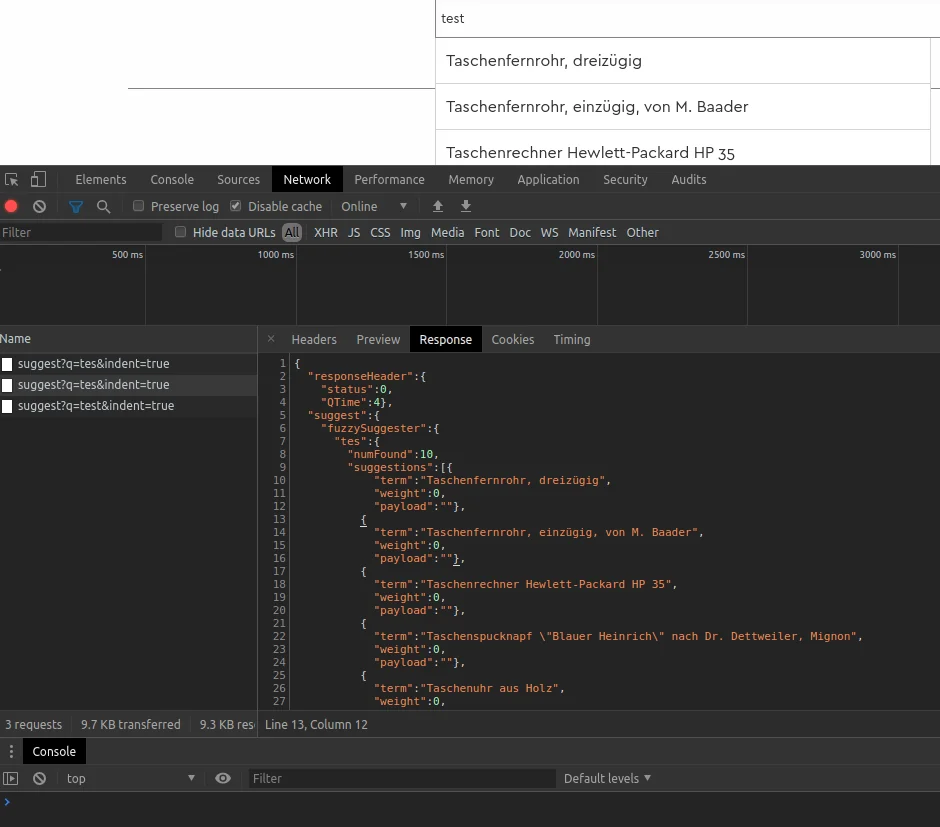
Solr Fuzzy Suggester and Solr Infix Suggester over Ajax
For effective website search, it is important that users quickly and easily find relevant results. Solr Fuzzy Suggester and Solr Infix Suggester offer an efficient solution for this. They can be called and filtered via Ajax queries.
From Global Business to the Kitchen — Enterprise Media OS That Scales Calmly (stajic.de + Showcase Portals)
Global strategy only works if it survives the kitchen: constraints, cadence, clarity, and measurable output. Here’s how an Enterprise Media OS turns market noise into repeatable systems — with figure.rocks and loving.rocks as showcase implementations.
Presence Platforms — Enterprise Communication That Wins Without Competing
A Presence Platform turns operations into decision-grade clarity: governed claims, repeatable formats, internal linking that routes decisions, and a weekly learning loop that compounds trust and pipeline.

Source of Truth Enterprise Intelligence Platform
A self-hosted, evidence-governed enterprise intelligence platform that turns internal company knowledge, documents and business data into traceable intelligence for research, decisions, monitoring and controlled AI execution.
From Global Business to the Kitchen — A Reverse Communication System That Still Scales
Stop scaling by noise. Start with global signals, reduce them to a few stable truths, and turn them into weekly templates, checklists, and repeatable “menus” that ship real value.