
Google I/O 2026: Agentic Products Across Search, Workspace, and Shopping

Google I/O 2026 made one thing clear: agentic AI is no longer being kept inside developer tools or model demos. Google is pushing agents into the products people already use every day: Search, Gemini, Workspace, Shopping, YouTube, Gmail, and the broader Android-linked ecosystem. That is why this article is the agentic consumer products spoke inside the larger Google I/O 2026 architectural hub.
The technical story is not only that Google added more AI features. The deeper shift is that Google is turning product surfaces into action surfaces. Search is becoming more conversational and agentic. Workspace is moving from writing help toward task execution. Shopping is becoming a persistent cart-and-decision system. Gemini Spark is positioned as a personal agent that can connect across Google products and act under user direction.
That connects directly to the other articles in this cluster. The underlying model capability is covered in Gemini Omni and Gemini 3.5. The developer-side orchestration layer is covered in Antigravity, AI Studio, and Google DevTools. The physical interface layer is covered in Android XR and Intelligent Eyewear. This article focuses on what happens when that same agentic direction reaches consumer and productivity products.
The Product Shift: From Assistance to Delegation
Older AI product features were mostly assistive. They summarized, rewrote, suggested, or answered. Google I/O 2026 shows a stronger move toward delegation. The user asks for an outcome, and the system begins coordinating information, context, tools, and follow-up actions. That is a different product model. It changes user expectations and it changes engineering risk.
- Search becomes less about one query and more about ongoing research and agentic help.
- Workspace becomes less about document assistance and more about work coordination.
- Shopping becomes less about product discovery and more about intent-aware cart management.
- Gemini becomes less like a chatbot and more like a personal agent layer across Google products.
The real shift is not from search results to AI answers. The real shift is from answers to actions.— Product architecture perspective
Search: From Query Box to Agentic Surface
Google’s I/O 2026 Search announcement describes a new era for AI Search, with advanced model capabilities enabling users to access agents by asking a question. It also introduces a new AI-powered Search box, which Google frames as the biggest upgrade to Search in more than 25 years. That phrasing is not small. It suggests Google sees Search itself becoming a front door to agentic behavior.
The important product change is that Search no longer needs to stop at retrieval. It can become a workflow entry point. Instead of asking one question and manually stitching together the next five steps, the user can ask for help that spans exploration, synthesis, comparison, planning, and sometimes action. That is powerful, but it also raises obvious questions about citations, ranking neutrality, source diversity, and user control.
// Old Search pattern
query -> ranked links -> user decides next step // Agentic Search pattern
intent -> model reasoning -> source grounding -> action options -> user confirmation
This is why the Search story belongs in the same cluster as Gemini 3.5. A search agent needs strong reasoning, speed, source handling, and execution discipline. If the model layer is weak, Search becomes overconfident. If the product layer is weak, the user loses control. If the ranking and evidence layer is weak, the whole system becomes harder to trust.
Workspace: Gemini Spark and the Personal Agent Direction
Workspace is where the agentic shift becomes very personal. Google’s I/O 2026 Workspace updates present Gemini Spark as a 24/7 personal AI agent that helps users navigate their digital life and acts on their behalf under their direction. Google also says Spark can connect across Google products and is designed to ask first before high-stakes actions such as sending emails or adding calendar events.
That last point matters. If an agent can touch Gmail, Calendar, Docs, Drive, and other productivity surfaces, the trust boundary becomes much more serious. A wrong paragraph suggestion is annoying. A wrong email, calendar action, file permission change, or automated follow-up can create real operational damage.
- Email management and summarization become task-routing problems.
- Calendar and scheduling become permission-sensitive execution problems.
- Docs and collaboration become shared-context problems.
- Cross-product action becomes a governance and confirmation problem.
// Personal productivity agent control pattern
if action.risk == "high": require_user_confirmation() show_action_preview() log_decision()
else: execute_with_visible_history()
The product promise is obvious: less administrative drag, fewer context switches, and more continuity across daily work. The risk is also obvious: once the agent becomes useful enough to act, it must become controlled enough to trust.
Shopping: Universal Cart and Agentic Commerce
Shopping may be the most commercially important part of the I/O 2026 agentic product story. Google introduced Universal Cart as an intelligent, proactive shopping cart built to work across merchants and services. Google describes it as a hub where users can add items while browsing Search, chatting with Gemini, watching YouTube, or reading Gmail.
That is not just a cart feature. It is a commerce control layer. If the cart can persist across product discovery surfaces, reason about compatibility, understand loyalty information and payment perks, and suggest better alternatives, then Google is not merely helping users buy. It is shaping the buying workflow itself.
// Universal Cart is not just storage
cart.add(item)
cart.checkCompatibility(items)
cart.compareMerchantOffers()
cart.applyWalletContext()
cart.suggestAlternatives()
cart.prepareCheckout()
The custom PC example from Google is a good signal: a cart that flags product incompatibilities moves from passive container to decision assistant. That is valuable. It is also sensitive. The moment an agent recommends substitutions or prioritizes offers, product ranking, merchant fairness, affiliate incentives, and user trust become central design questions.
The Strategic Pattern: One Agentic Layer Across Many Products
Search, Workspace, and Shopping look like different stories, but strategically they point in the same direction. Google is building an agentic layer that can live across discovery, productivity, communication, commerce, and device surfaces. That is why this topic cannot be treated as a random list of feature updates. It is a platform consolidation move.
The same pattern appears in the rest of the Google I/O 2026 cluster. Models provide reasoning and action capability. Developer tools provide orchestration and execution surfaces. Android XR and intelligent eyewear move the assistant into live physical context. Search, Workspace, and Shopping turn that same assistant logic into daily product behavior.
- Search becomes the discovery and research agent surface.
- Workspace becomes the productivity and personal workflow agent surface.
- Shopping becomes the commerce and decision-support agent surface.
- Gemini becomes the connective tissue across the system.
Where This Becomes Technically Hard
The hard problem is not producing impressive demos. The hard problem is keeping agentic product behavior safe, reversible, explainable, and user-controlled at scale. Search agents need grounding and evidence. Workspace agents need permission boundaries and confirmation rules. Shopping agents need transparent recommendations and merchant neutrality. Cross-product agents need identity, memory, privacy, and audit trails.
agenticProductRequirements = { grounding: "show sources and reasoning boundaries", confirmation: "ask before high-impact actions", reversibility: "make actions undoable where possible", privacy: "limit context sharing across products", auditability: "keep visible user-facing action history", fairness: "avoid hidden ranking manipulation"
};
This is where consumer-facing agents start to overlap with serious platform engineering. The more useful the assistant becomes, the more it needs controls normally associated with enterprise systems: versioning, permissions, logs, policy boundaries, rollback behavior, and evaluation. Product polish does not remove that requirement.
Why This Matters for Publishers, Shops, and Developers
If Google Search becomes more agentic, publishers need to think beyond classic ranking. Content must be structured enough to be retrieved, summarized, compared, and cited in conversational and agentic contexts. If Shopping becomes more agentic, merchants need clean product data, compatibility metadata, policies, reviews, inventory accuracy, and price transparency. If Workspace-style agents become normal, SaaS products need clearer APIs and better permission models.
- Publishers need stronger structured content and clearer topical authority.
- Merchants need product data that agents can reason over, not just pages users can browse.
- Developers need APIs designed for safe action, not only screen-based interaction.
- Product teams need explicit confirmation and undo flows for high-impact tasks.
This is the practical SEO angle too. If agentic Search starts mediating more journeys, content that is technically clear, semantically structured, and internally well-linked becomes more important. A flat pile of posts is weaker than a coherent hub-and-spoke cluster with clear topical roles.
The Risk: Agentic Convenience Can Hide Control Loss
Convenience is the selling point. Control is the test. A product agent that can summarize, compare, recommend, schedule, shop, or send messages can save time. But it can also bury decision logic behind a polished interface. Users must be able to see what happened, why it happened, what data was used, and how to reverse or correct the outcome.
An agentic product is only trustworthy if the user remains the final authority, not the last person to find out what happened.— Consumer AI risk perspective
That is why the language around Gemini Spark asking before high-stakes actions is important. It signals that Google understands the risk. The real question is whether those controls remain clear and consistent once agents scale across products, subscriptions, devices, and third-party integrations.
How This Fits the Google I/O 2026 Cluster
This article completes the product layer of the cluster. The main Google I/O 2026 hub explains the platform-level shift. Gemini Omni and Gemini 3.5 covers the model layer. Antigravity, AI Studio, and Google DevTools covers the developer execution layer. Android XR and Intelligent Eyewear covers the device layer. This article covers what happens when the same agentic architecture reaches everyday product surfaces.
Related Articles in This Cluster
- Main Hub: Google I/O 2026: Architectural Pivots, Agentic AI, and the Unified Ecosystem Reality Check
- Compute Layer: Google I/O 2026: Gemini Omni and Gemini 3.5
- Developer Tooling: Google I/O 2026: Antigravity, AI Studio, and Google DevTools
- Android, XR, and Device Surfaces: Google I/O 2026: Android XR and Intelligent Eyewear
Final Perspective
Google I/O 2026 shows that agentic AI is moving from model demos into everyday product surfaces. Search becomes more conversational and action-oriented. Workspace gets closer to a personal operating layer. Shopping becomes a persistent reasoning surface through Universal Cart. This is not just feature expansion. It is Google attempting to make Gemini the connective agent across information, work, commerce, and devices. The opportunity is huge, but the test is control: users must understand what the agent is doing, why it is doing it, and when they remain in charge.
Related Articles

The GPU Is Not the Product: Future-Proof Private AI Architecture
Private AI infrastructure should not be designed around one GPU or one model. A more resilient approach combines fast inference GPUs, memory-rich AI systems, physical-AI nodes and optional frontier cloud models behind a capability-aware routing layer.

Prompt Invariance: Does the Conclusion Survive the Prompt?
A practical methodology for testing whether an AI conclusion depends on the way a problem was framed. Prompt Invariance compares original, blind, inverted and adversarial formulations while keeping the evidence structure controlled.

ZBT Z8102AX Dual-SIM Failover: What Works, What Is Missing and What Needs Better Firmware
The ZBT Z8102AX is a dual-SIM 5G OpenWrt router, but dual-SIM hardware alone is not the same as intelligent failover. The router recognizes the SIM and connects successfully, but automatic switching, modem recovery, signal-based decisions and clean failover logic still need deeper testing.

RBAC vs Tenant Isolation: Two Different Security Boundaries
RBAC controls what a user may do; tenant isolation controls which tenant’s resources that action may reach. Learn why multi-tenant SaaS security requires both boundaries.

The Prompt Is Part of the Bias: How AI Framing Shapes Reasoning
Prompt wording is not neutral. Explore how framing, assumptions, instruction-following and sycophancy can shape AI reasoning—and why reliable conclusions require testing beyond the original prompt.

ZBT Z8102AX OpenWrt 21.02 Firmware Review: Stable Enough, but Is It Future-Proof?
The ZBT Z8102AX runs a vendor-modified OpenWrt 21.02 build with kernel 5.4.246. In practical testing, the firmware worked successfully and kept the router stable for several days, but the old base raises important questions about security, modem control, upgrade paths and long-term maintainability.

From Research Protocol to a General AI Reasoning Framework
A methodology developed for rigorous AI-assisted research can be generalized far beyond research itself. By separating evidence from assumptions, testing competing hypotheses, controlling prompt framing, searching for counter-evidence and applying domain-specific validators, the same reasoning architecture can improve debugging, software design, strategy, technical analysis and AI-assisted decision support.

Ultimate Guide to Acceptance Criteria for LLM Adoption in Enterprise Playbooks
Master the art of defining precise acceptance criteria to ensure successful LLM integration in your enterprise environment. This comprehensive guide provides actionable frameworks, examples, and best practices tailored for playbook-driven adoption.
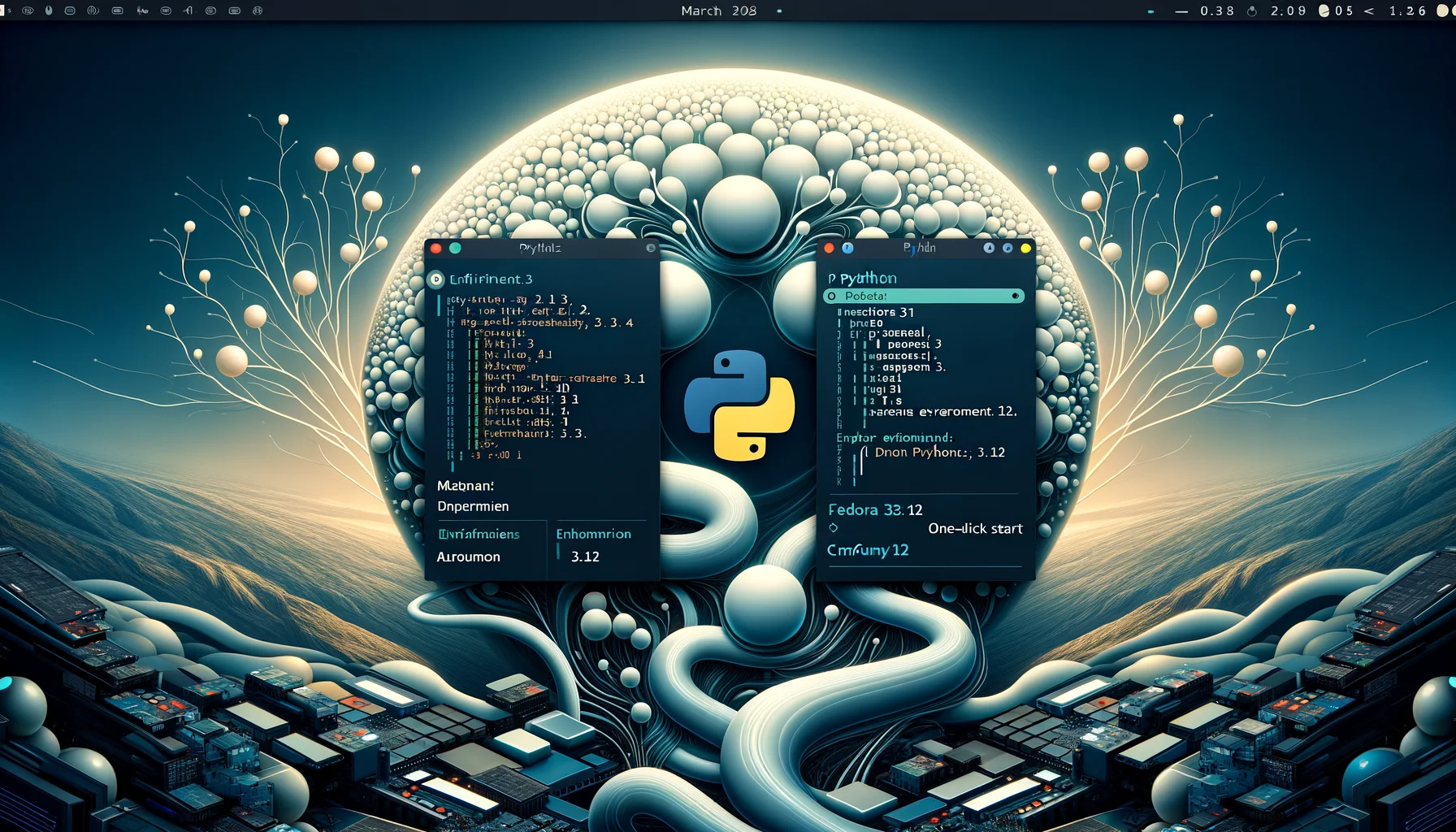
ComfyUI on Fedora 43: Two Virtual Environments + One-Click Start (March 2026)
Goal: Keep two Python venvs (e.g., 3.12 + 3.14) for compatibility, but start ComfyUI automatically with a clean, lightweight setup.
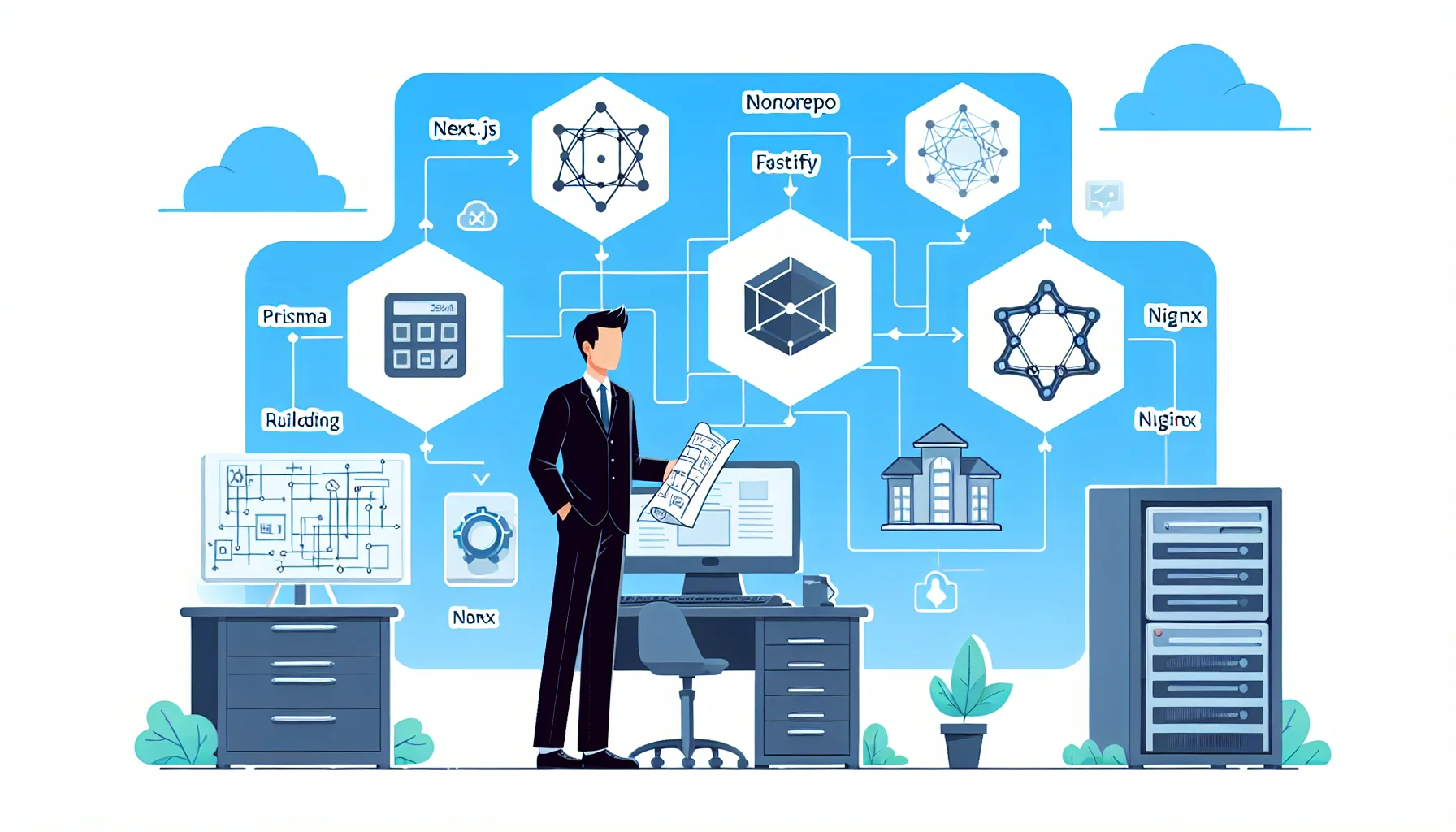
A Practical Monorepo Architecture with Next.js, Fastify, Prisma, and NGINX
Explore a practical monorepo architecture using Next.js, Fastify, Prisma, and NGINX, highlighting real-world integration and workflow.
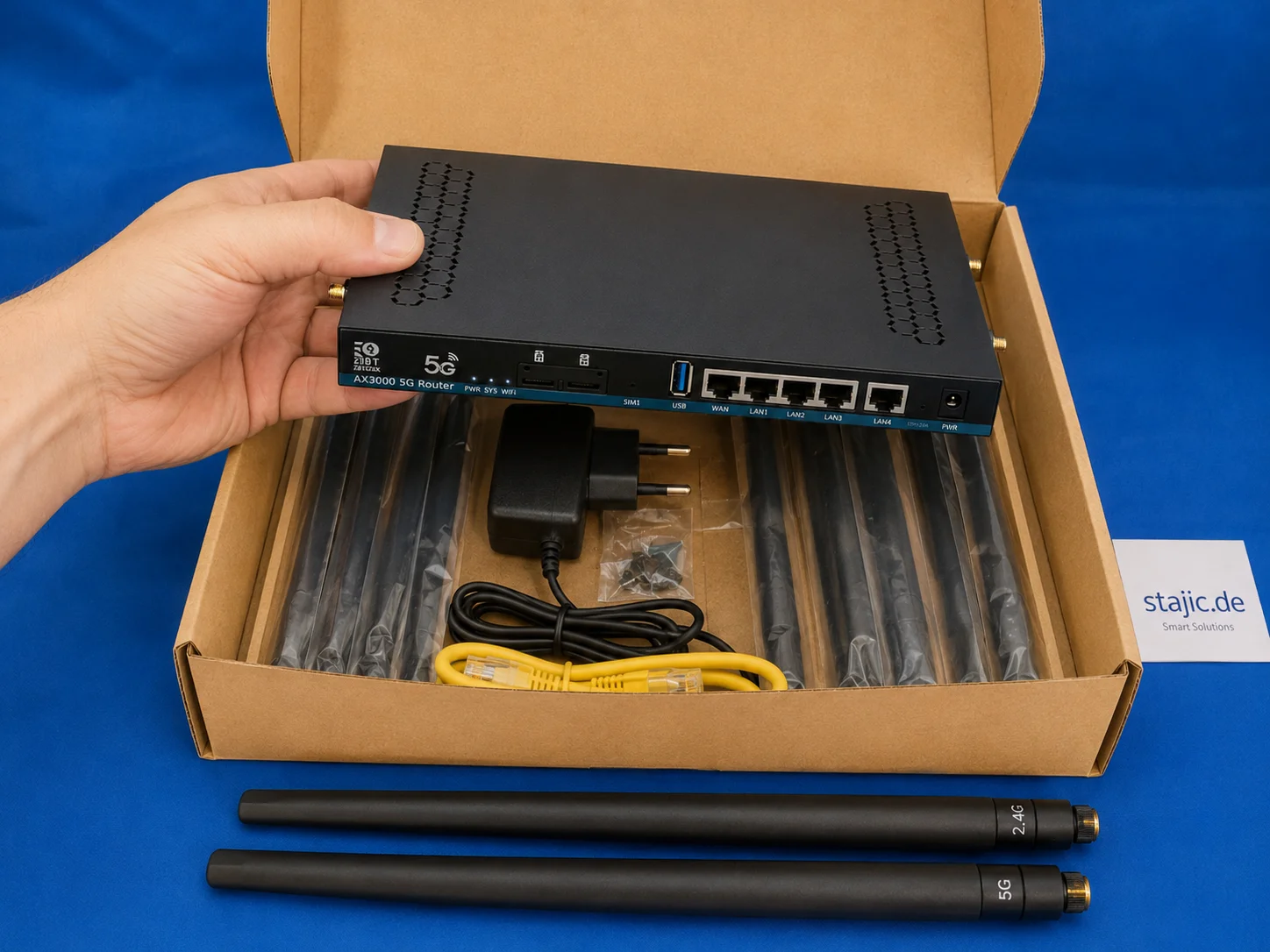
ZBT Z8102AX Hardware and Packaging Review: Strong Router, Weak Box
The ZBT Z8102AX makes a solid first impression as a slim black metal 5G OpenWrt router with multiple antenna connectors, dual-SIM slots, USB, LAN/WAN ports and a practical accessory set. The hardware feels useful and serious, but the packaging is clearly the weak point.

Google I/O 2026: Gemini Omni, Gemini 3.5, and the Compute Layer Behind Agentic AI
Google I/O 2026 put Gemini Omni and Gemini 3.5 at the center of Google’s agentic AI strategy. This article breaks down the difference between multimodal creation and action-grade intelligence, why Gemini 3.5 Flash matters for agents and coding, and how these models power the wider Google I/O 2026 platform shift.