
Laravel 12 Custom CMS with Filament 3: The Expert Workflow
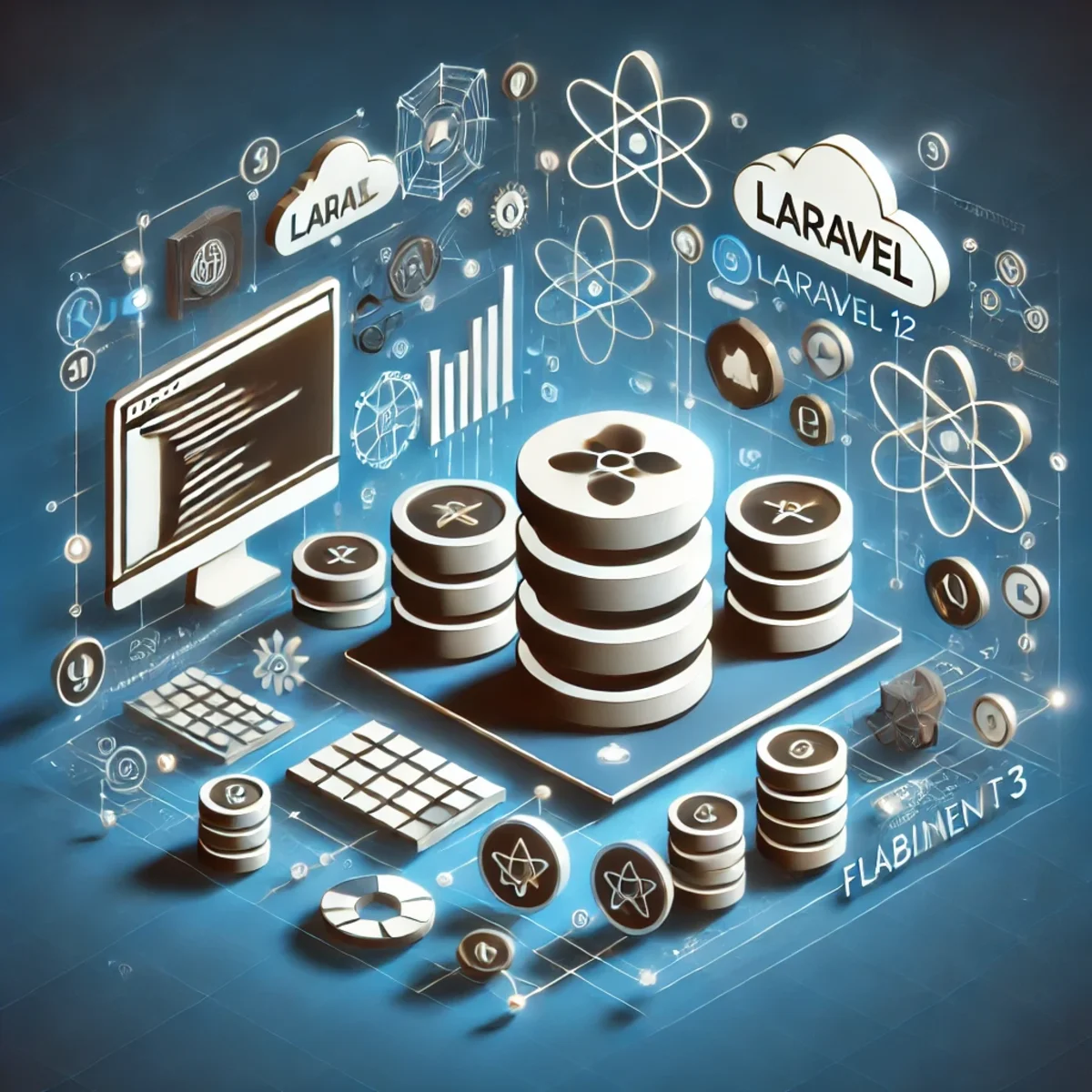
Introduction: The New Era of Custom CMS
The development of custom content management systems (CMS) regularly challenges professionals and experts to find a balance between rapid implementation and profound adaptability. While traditional frameworks often require lengthy development of the administrative user interface, modern ecosystems offer innovative solutions. Laravel, known for its elegance and robustness, forms the foundation here.
The combination of Laravel 12's stable backend and the declarative admin panel builder Filament 3 creates a highly efficient workflow. This synergy allows development teams to implement complex business logic while quickly and intuitively building the user interface for administrators. The focus is on creating systems that are precisely tailored to the specific requirements of the client – a custom CMS in the best sense.
Overview: Laravel 12 and Filament 3 in Interaction
Laravel 12 serves as the backbone of the application. It provides the necessary structure for database migrations, routing, API endpoints, and business logic. Laravel's strength lies in its comprehensive documentation and large community, which creates a solid foundation for long-term maintainable projects. Filament 3, on the other hand, transforms the way the administrative interface is developed. It is not just a theme, but a complete toolkit based on Livewire and Alpine.js.
The innovative workflow enabled by this combination is characterized by its speed and declarative nature. Instead of manually coding every form or table in Blade, experts define the structure of resources (Models), and Filament automatically generates the CRUD (Create, Read, Update, Delete) interfaces. This significantly accelerates the prototyping phase and allows development time to be focused on the complex, unique features of the custom CMS.
Advantages and Disadvantages of the Innovative Workflow
The decision for Laravel 12 and Filament 3 brings clear advantages for professional development teams, but also entails specific challenges, particularly in the area of authentication and ecosystem management.
- Rapid Application Development (RAD): The declarative structure of Filament 3 (Forms, Tables, Notifications) drastically reduces boilerplate code and enables extremely fast creation of functional admin panels.
- Consistent User Interface: Filament offers a modern, accessible, and uniform user interface that is ready for immediate use, eliminating the need for frontend design work for the backend.
- Deep Customizability: Although Filament automates much, it allows experts to delve deep into Livewire components to implement specific workflows and complex validation rules.
- Modularity: By separating the frontend (Laravel application) and backend (Filament admin), development teams can create clear architectures that promote scalability and maintainability.
Despite these advantages, challenges exist, particularly when integrating authentication solutions. A central problem frequently discussed by experts is Filament's compatibility with Laravel Jetstream, especially in the context of third-party logins.
The Jetstream problem with third-party login arises because Jetstream is designed as a comprehensive starter kit for the entire user management of the main application (including team management and two-factor authentication). Filament, on the other hand, comes with its own leaner authentication for the admin panel. When developers try to use Jetstream for the main application and Filament for the CMS backend simultaneously, conflicts arise, especially when Socialite (for third-party logins) comes into play. Filament's authentication middleware and routing are decoupled from Jetstream, which complicates seamless, shared use of third-party logins for both areas (frontend app and admin panel) and often requires manual adjustments to guard configurations. This represents a break in the otherwise seamless workflow and requires deep expert knowledge to resolve.
Technical Details and Architecture
The technical foundation of the Custom CMS is based on the modern architecture of Laravel 12. This framework utilizes the latest PHP features and offers improved performance and enhanced security functions. Laravel 12 provides the Eloquent ORM layer, which Filament 3 uses to quickly translate data models into interactive user interfaces.
Filament 3 is architecturally built on the TALL stack (Tailwind CSS, Alpine.js, Livewire, Laravel). Livewire enables the creation of dynamic interfaces without requiring extensive JavaScript knowledge. Filament's components – such as resource pages, custom pages, widgets, and forms – are declaratively defined. This means that developers do not have to manage the state of the UI; instead, they describe how the UI should look based on the state of the data. This abstraction is key to the innovative and fast workflow, as it minimizes the complexity of frontend interaction.
Furthermore, Filament's modular nature allows for easy integration of plugins for functionalities such as translations (Translatable Models), extended access rights (Permissions), and custom dashboards, which is essential for professional, scalable CMS solutions.
Use Cases for Professional Solutions
The combination of Laravel 12 and Filament 3 is excellently suited for projects where standard CMS solutions (like WordPress or Drupal) reach their limits. Experts use this stack when the data structure is highly complex or unique, business-specific workflows need to be mapped.
Typical use cases include:
- Enterprise Resource Planning (ERP) Light: Development of internal tools for managing inventory, customer relationships, or project management that require a highly customized data view.
- Specialized E-Commerce Backends: When product catalogs or order processes require unique fields or validations that go beyond standard e-commerce platforms.
- Database Management Systems: Creation of intuitive admin panels for complex databases that need to be managed by non-technical staff.
- Multi-Tenant Applications: Development of SaaS solutions where each client (tenant) requires its own isolated data view and specific configuration options in the backend.
In all these scenarios, professionals benefit from the ability to cleanly encapsulate backend logic in Laravel 12, while Filament 3 ensures the rapid provision of a functional and aesthetic administration interface.
Conclusion and Takeaway
The combination of Laravel 12 and Filament 3 represents a significant advancement in custom CMS development. It enables an innovative and efficient workflow that allows experts to focus on value creation in business logic rather than spending time on creating CRUD interfaces. The declarative nature of Filament 3 ensures high development speed and a consistent user experience in the backend.
Takeaway: For professional developers requiring a highly customized CMS, the Laravel 12/Filament 3 stack offers unparalleled speed and flexibility. However, it is crucial to be aware of the architectural challenges, particularly the potential conflicts when integrating Jetstream for the main application and the associated complexity in implementing third-party logins. A clear separation of authentication strategies is essential for smooth operation.
Related Articles
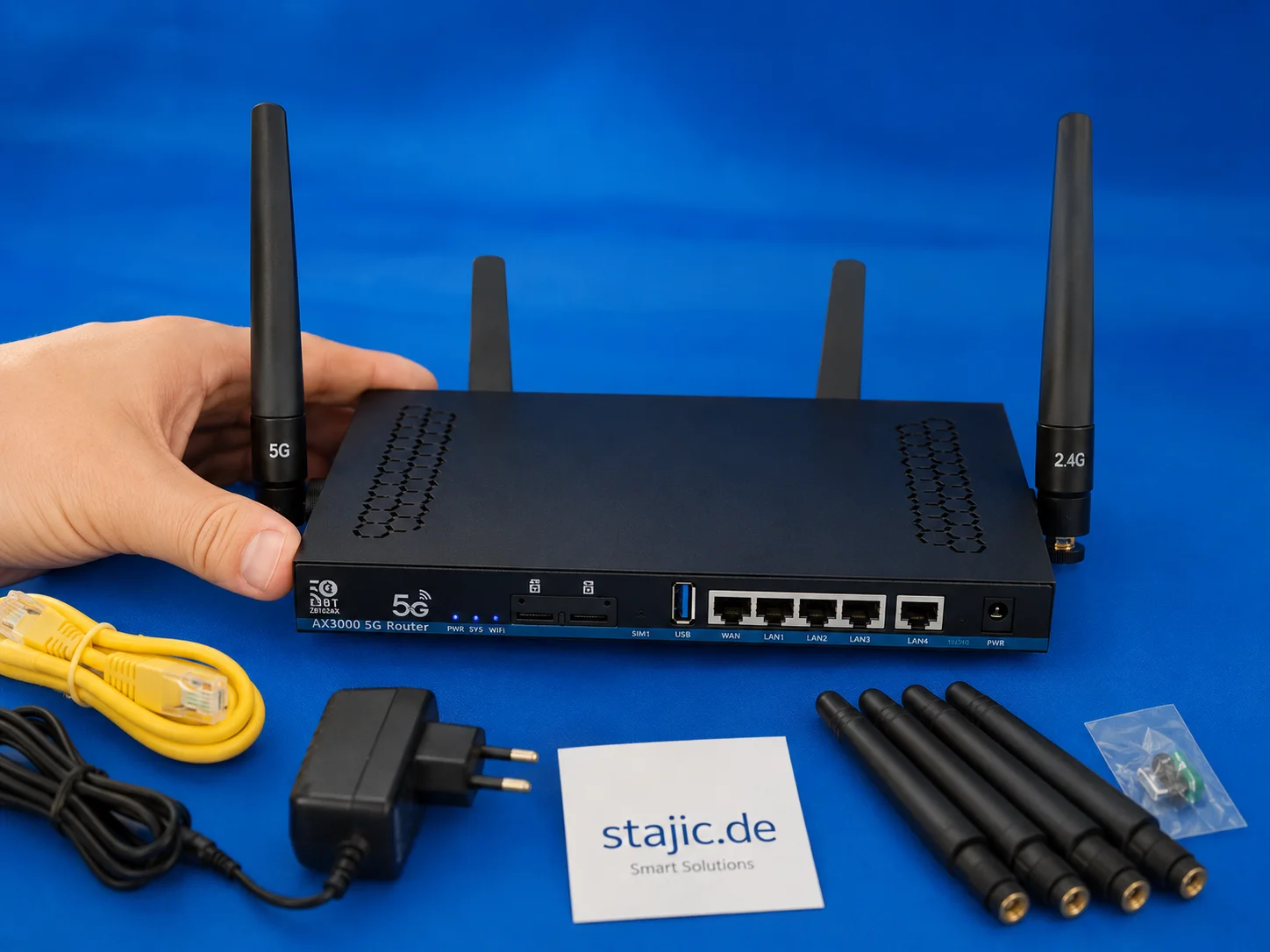
The Next OpenWrt 5G Router: Why Wi-Fi 7, a Stronger CPU and Better Firmware Matter
The ZBT Z8102AX is a useful first sample, but the next step should be stronger: Wi-Fi 7, a more powerful four-core platform, better firmware clarity, improved packaging and a more stable pricing policy. The goal is not just another 5G router, but a better configured OpenWrt-based prosumer device.

How to Know Whether an AI Agent Actually Used the Right Evidence
An AI agent can cite sources and still use the wrong evidence. This article introduces a practical method for checking claim support, source authority, applicability, provenance, and whether the evidence actually influenced the answer.

Migrating from OpenAI Agents SDK to the Agents API: What Actually Changes Architecturally?
Migrating from the OpenAI Agents SDK to the new Agents API is not an import rename. The runtime boundary changes: the agent loop, durable session, orchestration, context compaction and recovery move toward a managed harness. This guide shows what should move, what should stay in your application, and how to prove the migration before cutover.

AI Governance: Models, Data, Permissions, Risk and Auditability
AI governance defines who can approve, operate, change and audit AI systems across models, providers, data, permissions, risk, evaluation and the full lifecycle.

What Is an AI Platform Architect? Models, Data, Runtime, Security and Operations
An AI Platform Architect designs reusable AI foundations across models, providers, retrieval, agents, identity, security, evaluation, observability and operations.

Vector Databases, Embeddings and Reranking: Three Different Parts of Retrieval
Embeddings represent meaning, vector databases retrieve candidates, and rerankers refine results. Learn how these three retrieval layers differ and work together in RAG.

Falsification for AI Reasoning: From Answers to Tested Hypotheses
AI models can generate convincing evidence for almost any plausible hypothesis. A more reliable methodology asks the opposite question: what evidence would weaken, contradict or force us to abandon the conclusion? This article develops falsification-oriented reasoning for LLMs using competing hypotheses, discriminating tests, counter-evidence and explicit rejection criteria.
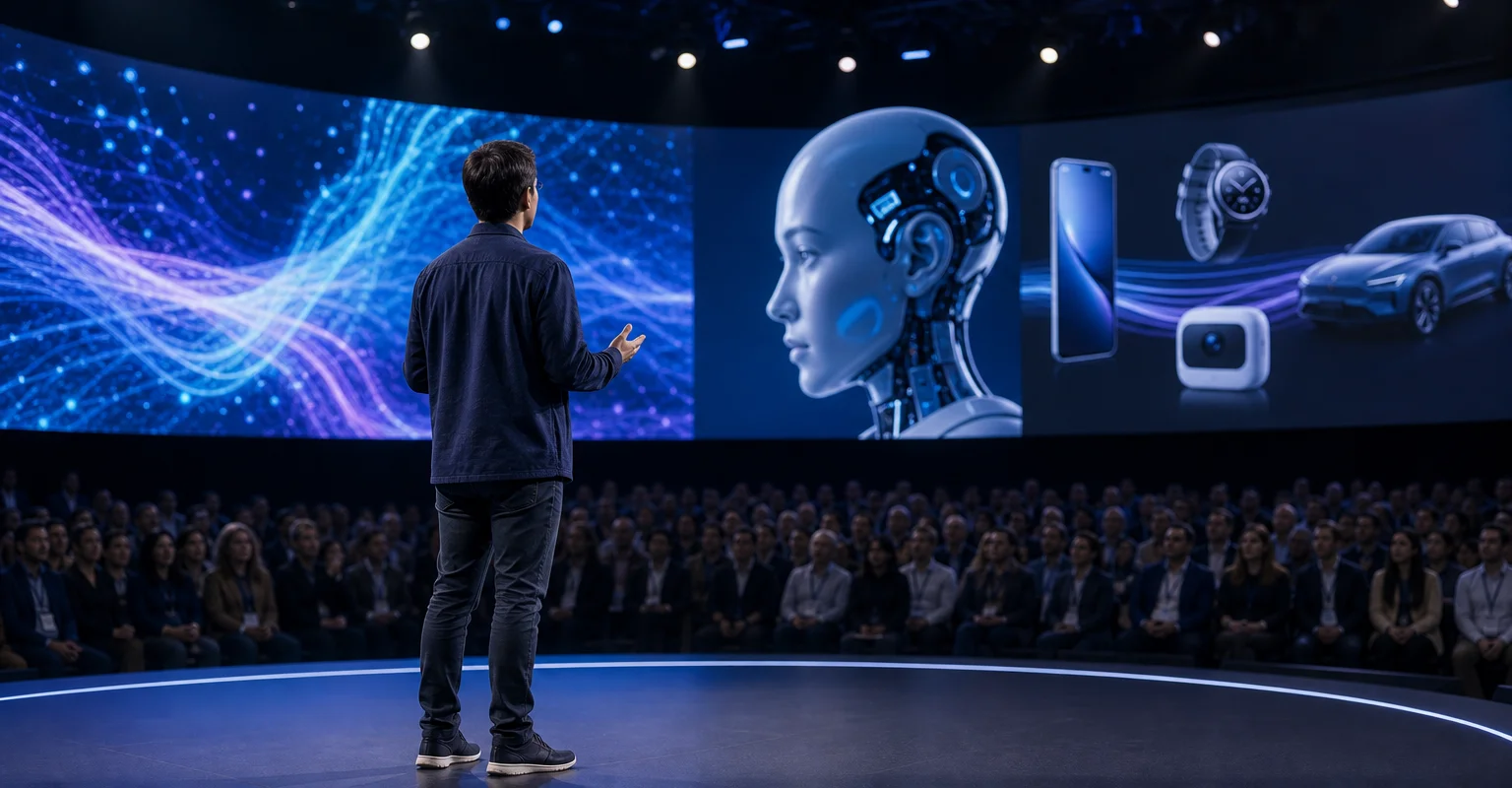
Google I/O 2026: Architectural Pivots, Agentic AI, and the Unified Ecosystem Reality Check
Google I/O 2026 was not just a model event. It showed a deeper platform shift across Gemini models, developer tooling, Android-linked surfaces, and intelligent devices. This article breaks down the keynote as a hub story for engineers, architects, and product teams who need to separate real runtime implications from stage-level hype.

New Qwen 3.5-Plus: Open-source AI is getting serious now
Discover the groundbreaking features and benefits of Alibaba's Qwen 3.5-Plus, a revolutionary open-source AI for developers.

Google I/O 2026: Android XR, Intelligent Eyewear, and the Ambient AI Interface
Google I/O 2026 pushed Android XR and intelligent eyewear from concept toward a real platform direction. This article breaks down audio glasses, display glasses, Gemini-powered context awareness, developer implications, privacy risks, and why wearable AI is less about replacing phones and more about creating ambient assistance surfaces.
Qwen 3.6 in Production: Release Runbook, AI Rollback, and LLMOps Versioning
Qwen 3.6 is not just another model upgrade. It is a release event, a rollback scenario, and a versioning problem at the same time. This article explains how Qwen 3.6 should be handled in production through LLMOps discipline, prompt and model traceability, controlled rollout, and evidence-based rollback readiness.

Ollama Is Not the Product: Building Production-Ready Open-LLM Applications
Running a local model with Ollama is easy. Building a production-ready Open-LLM application is harder: it requires RAG, access control, provider abstraction, evaluation, logging, deployment discipline and a controlled application layer around the model.