
Google I/O 2026: Gemini Omni, Gemini 3.5, and the Compute Layer Behind Agentic AI

Google I/O 2026 put the compute layer of Google’s AI strategy back in the center. The keynote was full of agents, developer tools, wearable interfaces, and product integrations, but all of those layers depend on two model directions: Gemini Omni and Gemini 3.5. One pushes multimodal creation and editing. The other pushes frontier intelligence with action, especially through Gemini 3.5 Flash.
This article is the compute-layer spoke inside the larger Google I/O 2026 architectural hub. The developer-tooling side is covered in Antigravity, AI Studio, and Google DevTools. The device-surface story is covered in Android XR and Intelligent Eyewear. The product-surface story is covered in Agentic Products Across Search, Workspace, and Shopping.
The important thing is to avoid reading Gemini Omni and Gemini 3.5 as one generic “new AI model” announcement. They solve different product and infrastructure problems. Omni is about any-input creative generation, starting with video. Gemini 3.5 is about fast, action-oriented intelligence for agents, coding, and long-horizon workflows. That separation matters for developers, product teams, and platform architects.
The Compute Layer Behind the Keynote
Google’s own I/O 2026 collection frames the event around two new models: Gemini Omni and Gemini 3.5. Gemini Omni is described as a leap forward in world understanding, multimodality, and editing, able to create output from input across text, images, audio, and video, starting with video. Gemini 3.5 Flash is introduced as the first model in the Gemini 3.5 family, combining frontier intelligence with action.
- Gemini Omni focuses on multimodal creation and editing, starting with video.
- Gemini 3.5 Flash focuses on action-grade speed for agents, coding, and complex workflows.
- The model split mirrors Google’s broader platform split: create richer media, then act faster across products and tools.
- The real strategic value comes when these models are connected to Antigravity, AI Studio, Search, Workspace, Android XR, and Gemini-powered devices.
The model story is not just bigger context or better demos. It is role specialization: creation on one side, action on the other.— Compute-layer reading
Gemini Omni: Creation From Any Input
Gemini Omni is Google’s most direct attempt to fuse reasoning with creation. The official positioning is clear: it can create anything from any input, starting with video. The model accepts combinations of text, image, audio, and video, then generates high-quality video grounded in Gemini’s real-world knowledge. It also supports conversational video editing, which is likely to matter more than one-shot generation in actual creative workflows.
That last point is important. The practical value of creative AI is rarely only “generate a video.” Production workflows require revision, replacement, timing, style continuity, and conversation around changes. If Omni can make editing more conversational while preserving context, it becomes more than a novelty generator. It becomes a creative interface.
// Gemini Omni should be read as a creative workflow model
input = { text: "Show a product launch in a rainy cyberpunk city", image: "brand-reference.png", audio: "voiceover.wav", video: "rough-cut.mp4"
} output = GeminiOmni.generateVideo(input)
revision = GeminiOmni.edit(output, "Make the lighting warmer and keep the same product design")
For teams building media tools, ecommerce product visuals, education content, game prototyping, advertising workflows, or social video pipelines, this is the part of I/O 2026 that matters most. The interface moves from manual timeline editing toward intent-based multimodal editing. That does not remove creative judgment, but it changes where creative labor is spent.
Gemini 3.5 Flash: Frontier Intelligence With Action
Gemini 3.5 Flash is the other half of the compute story. Google describes the Gemini 3.5 family as combining frontier intelligence with action, and positions 3.5 Flash as the first release in that family. The emphasis is on agents, coding, complex long-horizon tasks, and real-world utility. That language is not accidental. It points directly toward systems that do things, not just systems that answer.
For developers, “Flash” matters because agentic workflows are latency-sensitive. A model that is smart but slow can work for research or careful writing. It is much harder to fit into terminal-native automation, IDE loops, multi-step tool usage, background agents, and product experiences that need immediate feedback. Google is clearly trying to make fast frontier behavior the default engine for agentic workflows.
// Classic model usage
answer = model.generate("Explain this function") // Agentic model usage
plan = model.plan(task)
toolResult = tools.run(plan.nextStep)
verification = model.verify(toolResult) if verification.failed: rollback()
else: continueExecution()
That shift is why Gemini 3.5 belongs in the same cluster as Antigravity. Antigravity needs a model that can plan, execute, verify, and keep moving without turning the development environment into a waiting room. This is where compute performance becomes developer experience.
Why Speed and Action Belong Together
Google’s keynote framing around speed is not just marketing. Agentic systems multiply latency. A single answer has one model round trip. A multi-agent workflow can have many: planning, tool selection, code editing, terminal execution, verification, repair, summarization, and human review. If each step is slow, the whole system becomes unusable.
- Fast output improves interactive coding loops.
- Low latency makes multi-step agents feel less brittle.
- High throughput matters when agents run in background maintenance tasks.
- Stable reasoning matters because faster wrong actions are still wrong actions.
- Verification remains essential because speed alone does not equal trust.
The useful agent is not the model that answers once. It is the model that can keep acting without making the workflow feel like a queue.— Agentic runtime perspective
Gemini Omni vs Gemini 3.5: Different Jobs, Same Stack
The cleanest way to understand the I/O 2026 compute announcements is to separate the jobs. Gemini Omni is a multimodal creation and editing model. Gemini 3.5 Flash is an action-oriented model for agents and coding. They are complementary, not interchangeable. A product team might use Omni to generate media and use Gemini 3.5 Flash to orchestrate the workflow around that media.
// Product workflow example
creativeAsset = GeminiOmni.generateVideo(brief) agentPlan = Gemini35Flash.plan({ task: "Publish launch campaign", asset: creativeAsset, channels: ["YouTube Shorts", "landing page", "email"]
}) Gemini35Flash.execute(agentPlan, tools)
That is the broader architecture Google is pointing toward. Creative models generate richer artifacts. Action models coordinate tasks around those artifacts. Product surfaces expose those capabilities to users. Developer tools provide orchestration and verification. Device surfaces make the assistant available in more contexts.
What This Means for Developers
Developers should not treat Gemini 3.5 Flash as only another model option. It changes the shape of applications that can be built on top of Google’s stack. If a model can handle longer task sequences, use tools reliably, and operate fast enough for real workflows, then applications can shift from isolated AI features to model-mediated processes.
- Code agents can refactor, test, and verify larger task units.
- Product agents can help users move from intent to action inside one flow.
- Media applications can combine Omni generation with Gemini 3.5 orchestration.
- Search and Workspace features can move from answering toward executing.
- Mobile and XR surfaces can use Gemini as a live context layer instead of a distant cloud assistant.
The danger is overbuilding before the operational model is mature. Developers still need versioning, evaluation, logging, cost controls, fallback behavior, and human confirmation for high-impact actions. A stronger model does not remove the need for engineering discipline. It increases the value of that discipline.
What This Means for Product Teams
Product teams should read Gemini Omni and Gemini 3.5 as a signal that Google wants AI to become an execution layer across the ecosystem. That creates opportunity and risk. The opportunity is a faster path from user intent to finished output. The risk is that product behavior becomes less transparent if agent decisions are hidden behind a polished interface.
agenticProductChecklist = { userIntent: "clear", modelRole: "defined", tools: "permissioned", outputs: "reviewable", failures: "recoverable", costs: "measured", userControl: "explicit"
}
If a product team cannot answer what the model is allowed to do, how it is evaluated, and how the user can recover from a bad action, the integration is not ready for production. This is especially true when Gemini is connected to Search, Workspace, Shopping, Android, or wearable interfaces.
The Reality Check: Benchmarks Are Not the Product
The risk with every model launch is benchmark intoxication. Better performance matters, but production value depends on integration quality. A model can be faster and stronger while still failing a specific workflow because the prompts are weak, tool policies are loose, evaluation is shallow, or rollback paths are missing.
- A creative model needs consistency, editability, and output control.
- An action model needs tool discipline, verification, and safe failure modes.
- A developer model needs repeatable behavior inside real repositories.
- A product model needs user trust and clear control boundaries.
- A platform model needs versioning, monitoring, and cost observability.
The launch model gets attention. The operating model decides whether it survives production.— Engineering reality check
How This Fits the Google I/O 2026 Cluster
This article covers the model layer of the cluster. The main Google I/O 2026 hub explains the full architectural shift. Antigravity, AI Studio, and Google DevTools explains how the models enter developer workflows. Android XR and Intelligent Eyewear explains how the same intelligence moves into wearable surfaces. Agentic Products Across Search, Workspace, and Shopping explains what happens when these capabilities reach consumer and productivity products.
Related Articles in This Cluster
- Main Hub: Google I/O 2026: Architectural Pivots, Agentic AI, and the Unified Ecosystem Reality Check
- Developer Tooling: Google I/O 2026: Antigravity, AI Studio, and Google DevTools
- Android, XR, and Device Surfaces: Google I/O 2026: Android XR and Intelligent Eyewear
- Agentic Consumer Products: Google I/O 2026: Agentic Products Across Search, Workspace, and Shopping
Final Perspective
Gemini Omni and Gemini 3.5 define the compute split behind Google I/O 2026. Omni is the creation layer: multimodal input, video output, conversational editing, and world-grounded generation. Gemini 3.5 Flash is the action layer: fast frontier intelligence for agents, coding, and long-horizon tasks. Together, they explain why the rest of the keynote looks the way it does. Antigravity needs action-grade models. Search and Workspace need agents that can reason and execute. Android XR needs live context understanding. The keynote is not just a model story, but without this compute layer the rest of the story does not work.
Related Articles

Enterprise-Grade Multi-Tenant Architecture for an International Platform
Loving Rocks is an enterprise-grade wedding platform designed with a true multi-tenant architecture, isolated databases per tenant, and built-in internationalization for global scalability, security, and long-term operational stability.

What Is Context Engineering? What the Model Receives Before It Answers
Context engineering designs what information an AI model receives before inference, including prompts, retrieval, memory, application state, tool results and conversation history.
Qwen 3.6 in Production: Release Runbook, AI Rollback, and LLMOps Versioning
Qwen 3.6 is not just another model upgrade. It is a release event, a rollback scenario, and a versioning problem at the same time. This article explains how Qwen 3.6 should be handled in production through LLMOps discipline, prompt and model traceability, controlled rollout, and evidence-based rollback readiness.
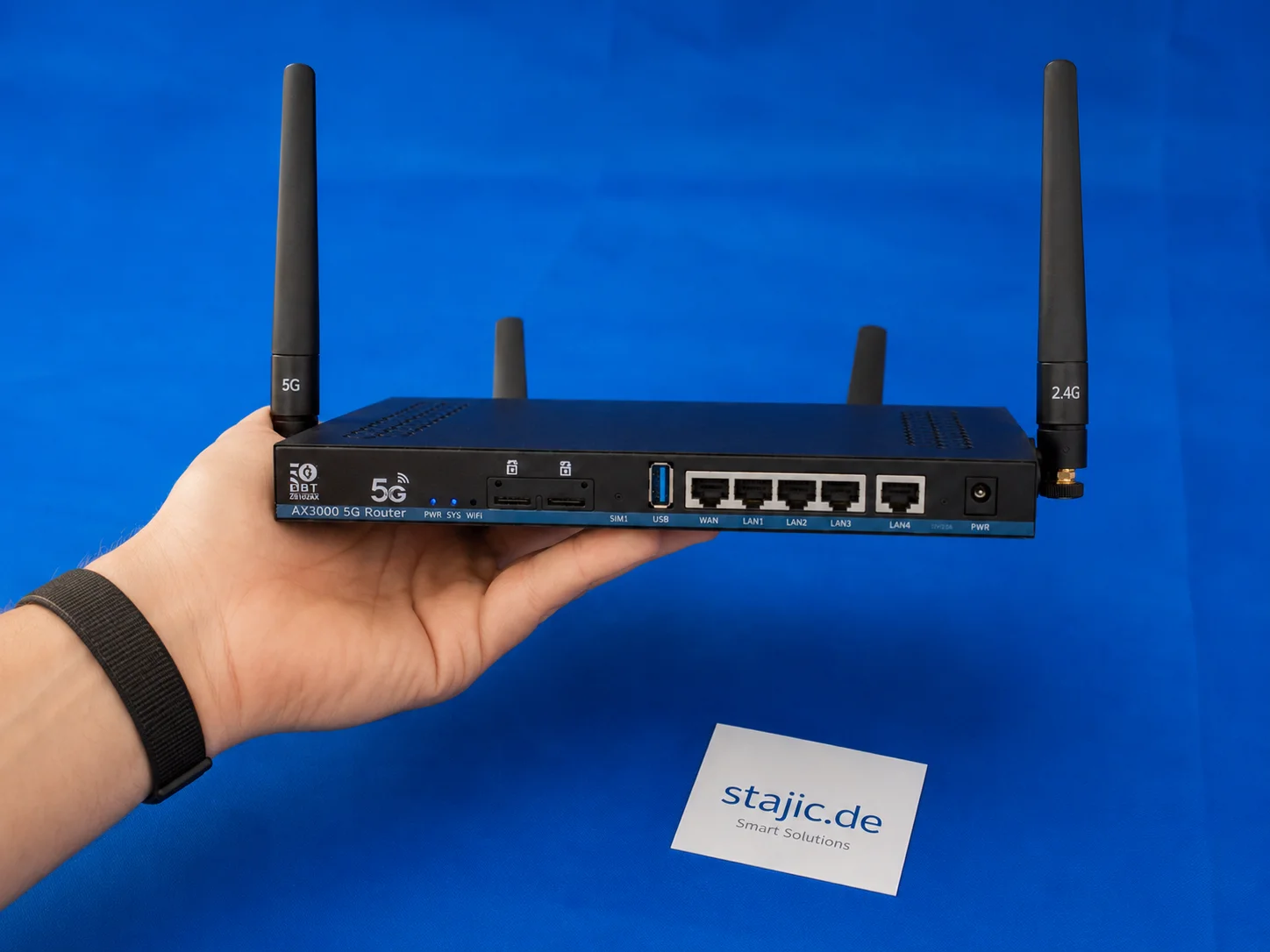
Should You Buy a 5G OpenWrt Router with Old Firmware? ZBT Z8102AX as a Practical Example
Buying a 5G OpenWrt router with older firmware can make sense, but only under the right conditions. The ZBT Z8102AX shows both sides clearly: the hardware is useful, the modem works, and the router stayed stable in testing, but OpenWrt 21.02, weak packaging and unclear upgrade paths require a careful buying decision.
Streamlining Code Quality: Testing with ESLint and Prettier
This article details the integration of ESLint and Prettier into modern development and testing workflows, focusing on practical implementation for consistent code quality and style.

AI Governance: Models, Data, Permissions, Risk and Auditability
AI governance defines who can approve, operate, change and audit AI systems across models, providers, data, permissions, risk, evaluation and the full lifecycle.

The Prompt Is Part of the Bias: How AI Framing Shapes Reasoning
Prompt wording is not neutral. Explore how framing, assumptions, instruction-following and sycophancy can shape AI reasoning—and why reliable conclusions require testing beyond the original prompt.
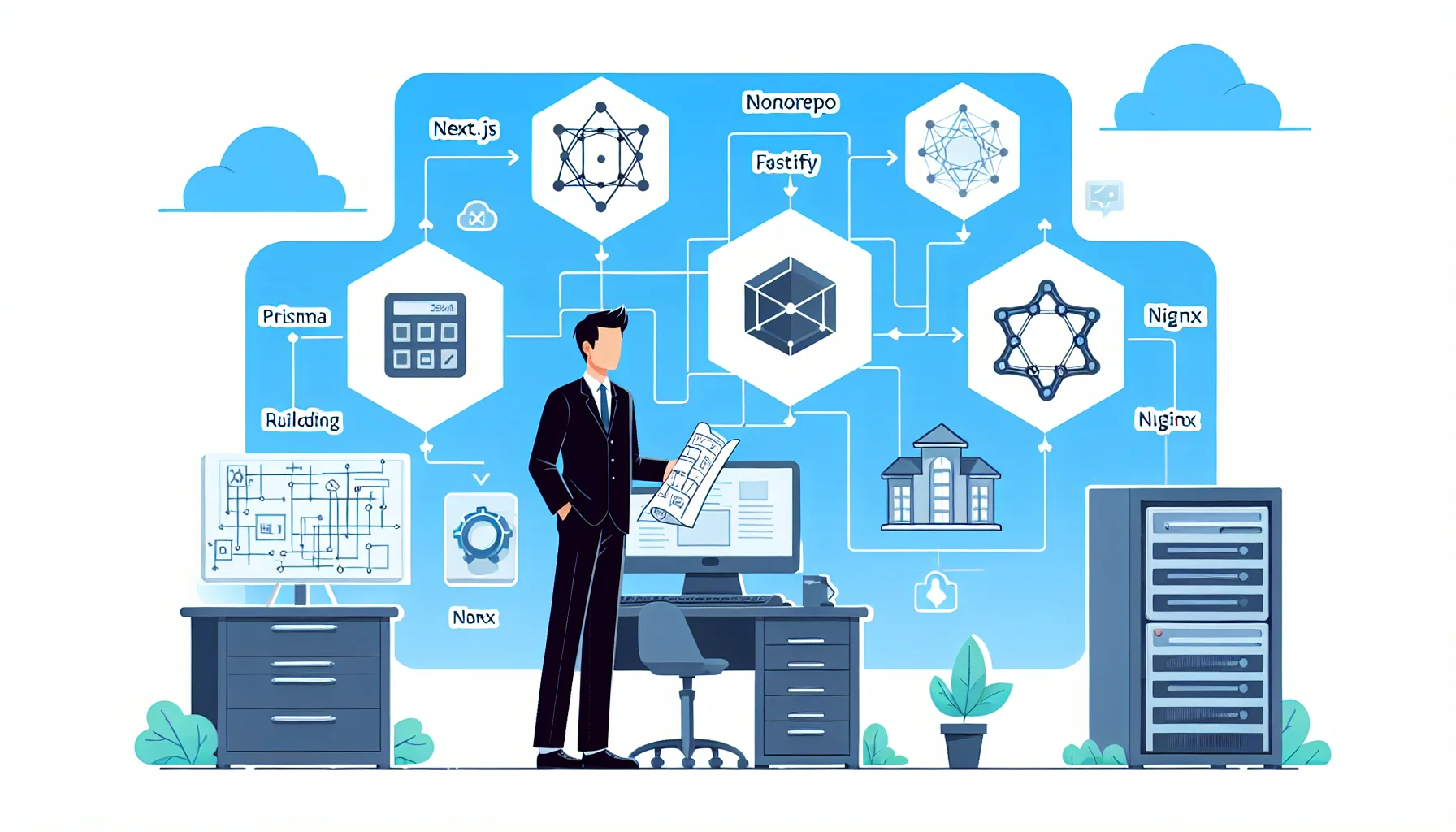
A Practical Monorepo Architecture with Next.js, Fastify, Prisma, and NGINX
Explore a practical monorepo architecture using Next.js, Fastify, Prisma, and NGINX, highlighting real-world integration and workflow.
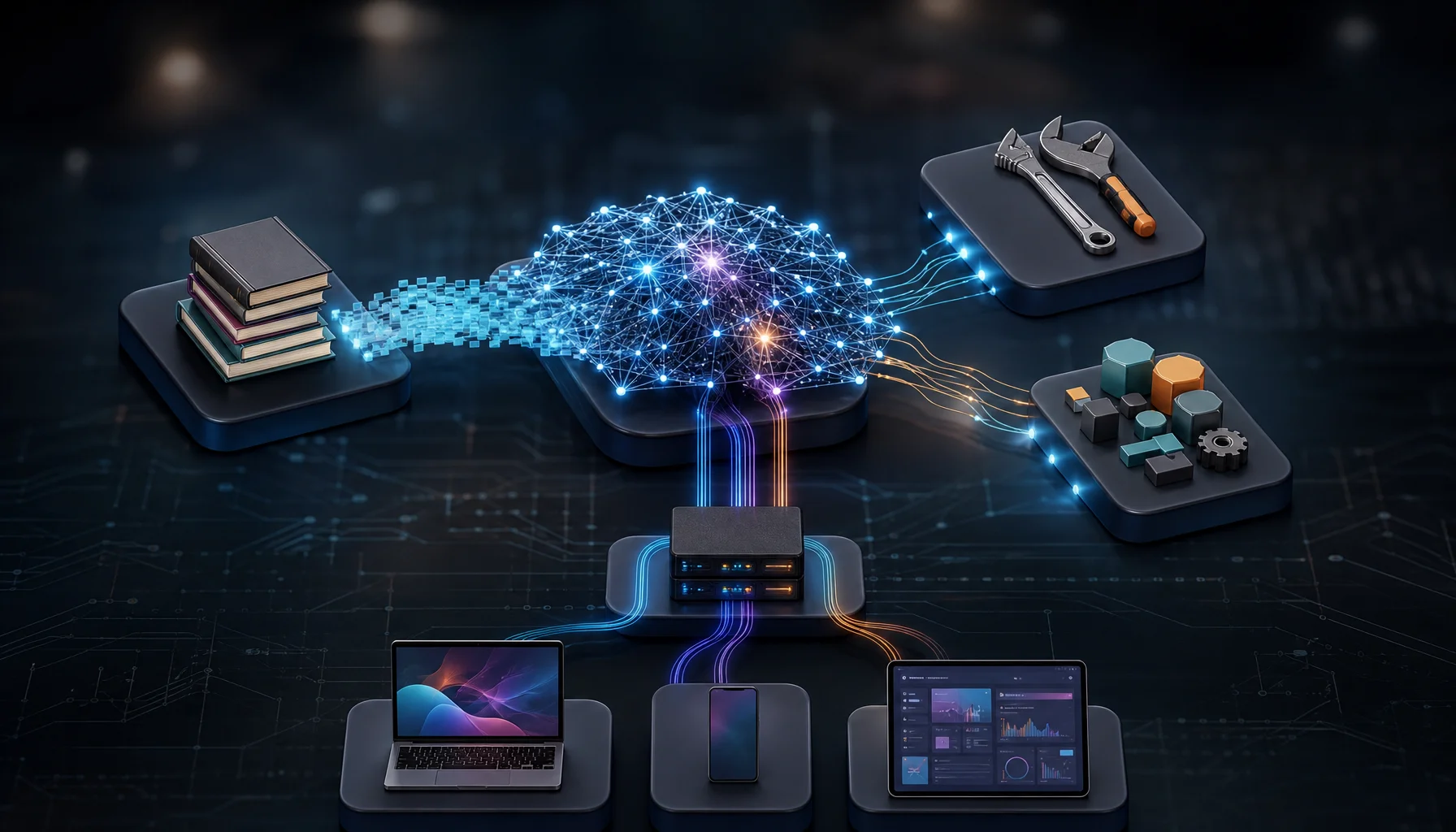
Generative AI Explained: Models, Retrieval, Tools and Applications Are Not the Same Thing
Generative AI is more than a model. Learn how models, retrieval, tools, context, runtimes and applications fit together in production AI systems.
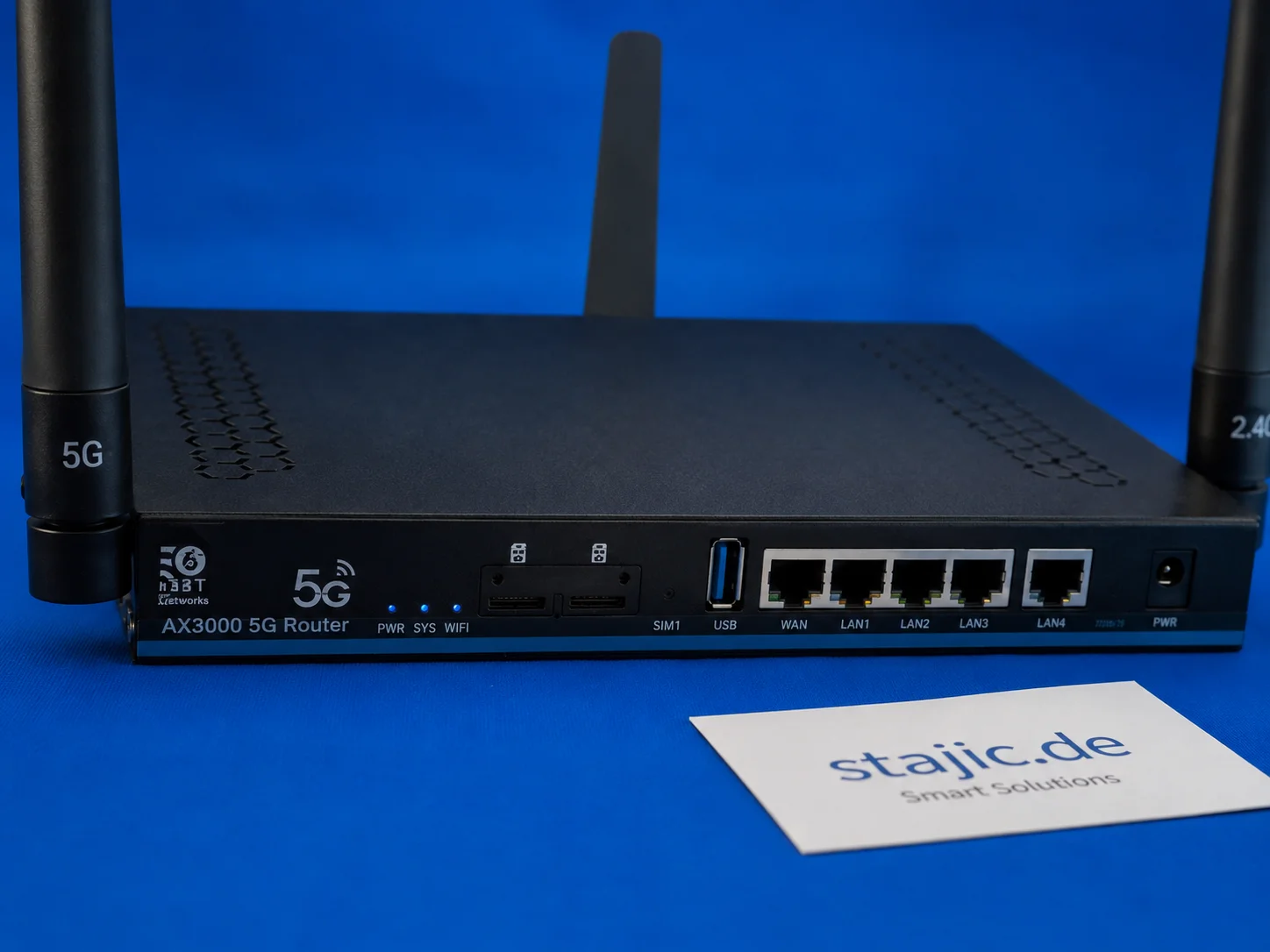
Quectel RM500U-EA in the ZBT Z8102AX: 5G Bands, o2 Germany and Real-World Signal Behavior
The ZBT Z8102AX uses a Quectel RM500U-EA modem for 4G and 5G connectivity. In the first practical test, the router connected successfully to o2 Germany with LTE Band 3 and NR n28. The modem works, but deeper diagnostics such as RSRP, RSRQ, SINR, band locking and cell behavior still need proper testing.

OpenAI Agents API vs Agents SDK vs Responses API: What Should You Build On in 2026?
OpenAI’s agent stack changed in September 2026. This architecture guide separates the Agents API, Agents SDK, Responses API, and Codex SDK by runtime ownership—so teams can choose the right control boundary instead of comparing product names.

MCP vs A2A vs UCP vs AP2 vs A2UI: The Agent Protocol Stack Explained
MCP, A2A, UCP, AP2 and A2UI are often presented as competing agent standards. They mostly solve different interoperability problems. This guide maps each protocol to the boundary it actually standardizes—and shows how they can work together in one production system.