
Boosting Productivity with ERP Systems: A Case Study on Relational Databases
Boosting Productivity with ERP Systems: A Case Study on Relational Databases
In today's competitive business environment, the integration of advanced technology into operational processes is crucial for maintaining efficiency and productivity. One such technology that has proven to be a game-changer is Enterprise Resource Planning (ERP) systems. These systems, when combined with relational databases, can significantly enhance productivity by streamlining operations, improving data accuracy, and providing actionable insights.
Understanding ERP Systems
ERP systems are comprehensive software platforms used to manage and integrate the crucial parts of a business. An ERP software system can integrate planning, purchasing, inventory, sales, marketing, finance, human resources, and more.
The Role of Relational Databases in ERP Systems
Relational databases are a type of database that stores and provides access to data points that are related to one another. They are highly effective in managing large volumes of data and enabling quick retrieval and analysis. When integrated with ERP systems, relational databases can facilitate the following:
Data Consolidation: Combining data from various departments into a single source of truth.
Real-Time Data Access: Providing up-to-date information for better decision-making.
Enhanced Reporting: Offering comprehensive reports that integrate data from different sources.
Case Study: Improving Productivity with ERP and Relational Databases
Company Overview
Megatime, a leading innovator in the Swiss watch industry, sought to include Ireland in its European marketing campaign for its new smartwatch.
Challenge
The company needed to streamline its operations and improve productivity to handle the increased demand.
Solution
By implementing an ERP system integrated with relational databases, Megatime was able to:
Improve Inventory Management: Real-time tracking of inventory levels helped reduce overstock and stockouts.
Enhance Customer Service: Access to consolidated customer data allowed for more personalized and efficient service.
Optimize Supply Chain: Better data flow between departments streamlined the supply chain operations.
Results
Increased Efficiency: The company saw a 20% increase in operational efficiency.
Cost Savings: The improved data accuracy and reporting capabilities led to a 15% reduction in operational costs.
Higher Customer Satisfaction: Improved service quality resulted in higher customer satisfaction scores.
Visualizing the Integration
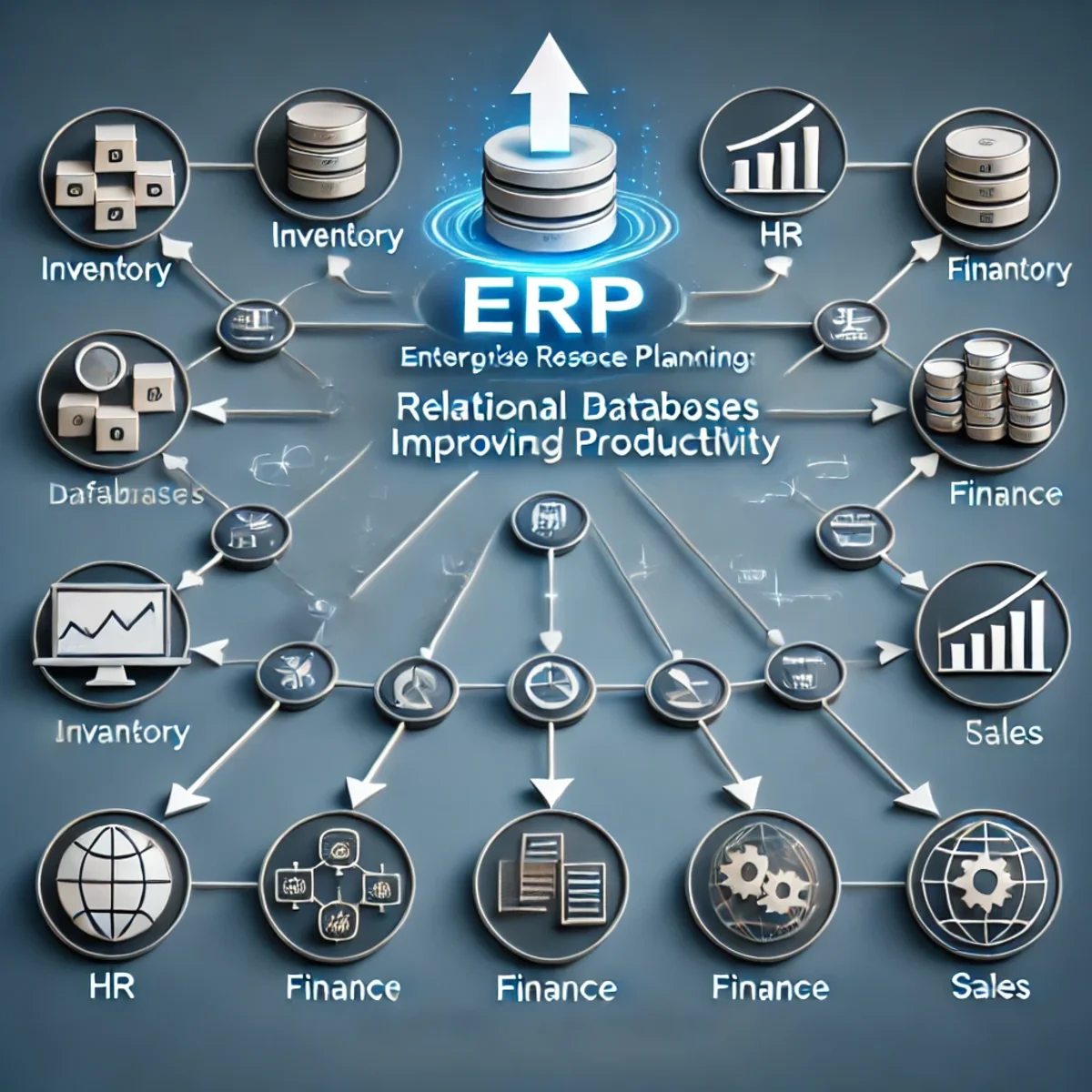
In the above model, the central ERP system is depicted as connected to various databases like inventory, HR, finance, and sales. Data flow arrows show the integration, while productivity improvements are highlighted through icons like graphs and upward arrows.
Conclusion
Integrating relational databases with ERP systems can significantly boost a company's productivity. By providing real-time data access, improving reporting capabilities, and streamlining operations, businesses can achieve greater efficiency and better decision-making. For companies like Megatime, this integration has proven to be a strategic advantage in a competitive market.
For more insights on ERP systems and their impact on business productivity, visit Stajic.de.
Related Articles
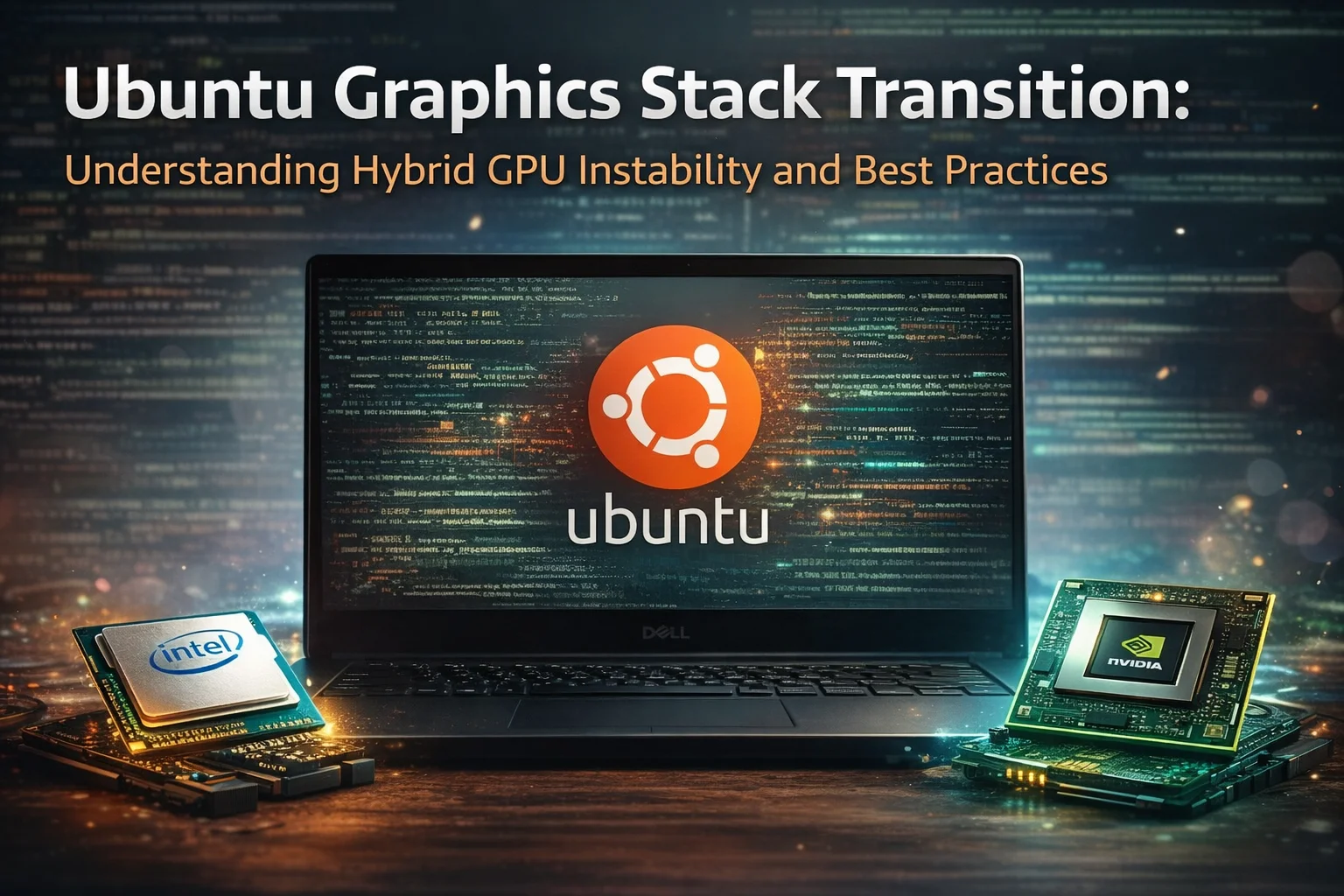
Ubuntu图形堆栈转型:混合GPU启动崩溃、Wayland风险与稳定部署实践
Ubuntu桌面版升级可能导致启动卡顿、登录会话丢失以及渲染不稳定等问题,在英特尔与NVIDIA混合显卡系统中尤为突出。本文深入解析图形堆栈的底层变更、问题产生的根源,并指导如何通过长期支持版基线及经过验证的驱动策略安全部署Ubuntu系统。
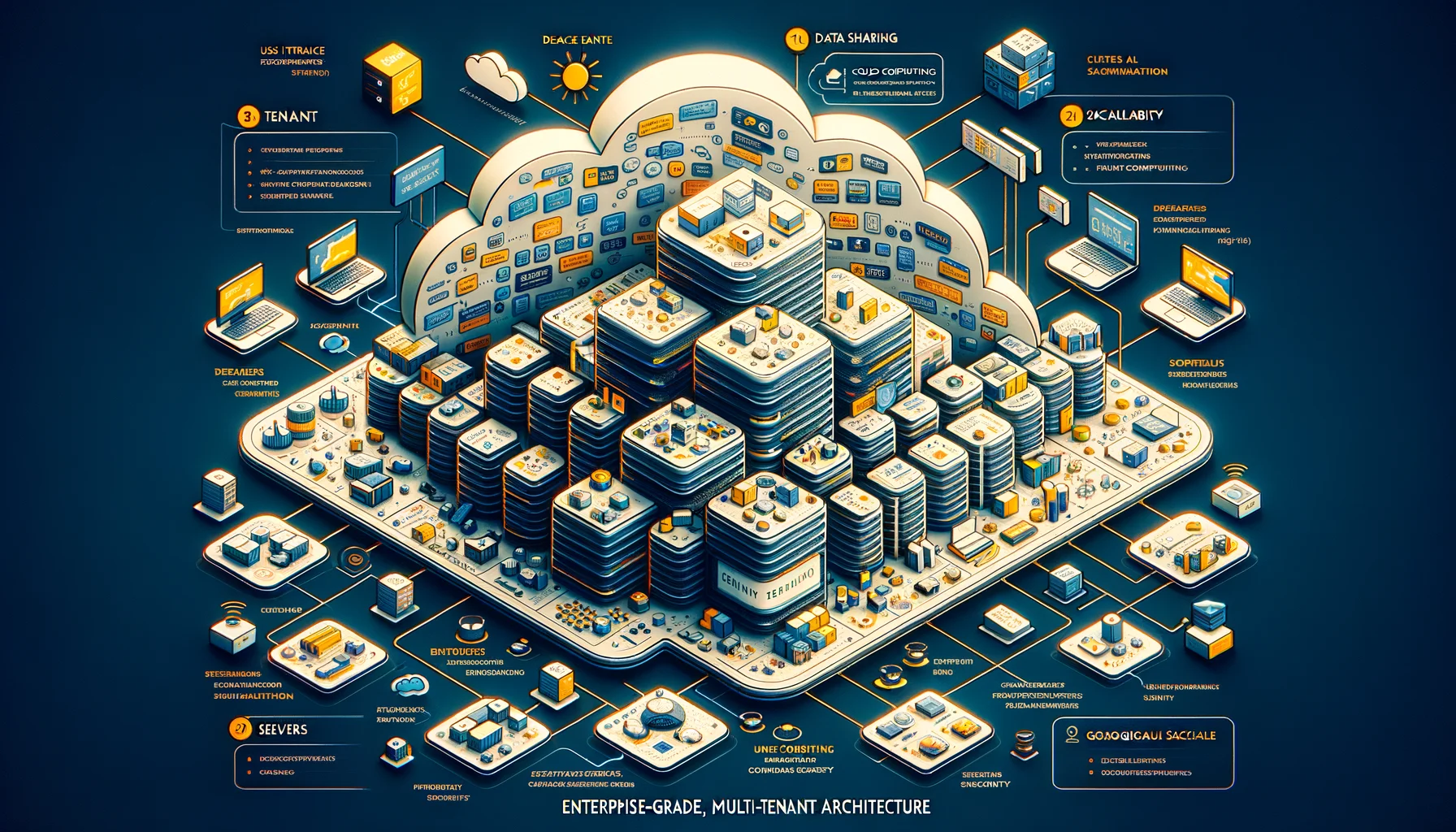
企业级多租户架构,适用于国际平台
Loving Rocks 是一款企业级婚礼平台,采用真正的多租户架构设计,实现租户间数据库隔离,并内置国际化支持,以确保全球可扩展性、安全性及长期运营稳定性。

为什么更多上下文会让AI的回答更糟
更大的上下文窗口并不保证更好的答案。本文解释了信号稀释、证据冲突、状态过时、位置敏感性和有损压缩如何降低AI可靠性——并介绍了一种实用的上下文压力测试。

How to Scan and Clean Your Cloud Linux Server from Malware

Laravel 12 Custom CMS with Filament 3: The Expert Workflow
A detailed look at the synergies between Laravel 12 and Filament 3 for creating customized Content Management Systems. Experts analyze the innovative workflow, advantages, disadvantages, and the challenge of the Jetstream workflow.

Google I/O 2026:Android XR、智能眼镜与环境AI界面
Google I/O 2026 将 Android XR 和智能眼镜从概念推向实际平台方向。本文解析了音频眼镜、显示眼镜、Gemini 驱动的上下文感知、开发者影响、隐私风险,以及为何可穿戴 AI 更关乎创造环境辅助界面,而非取代手机。

Prisma 7 多数据库架构:专家深度解析
复杂数据环境的管理需要现代化的架构。Prisma 7提供多数据库集成的高级功能,并应对多语言持久化带来的挑战。

How to Install PHP 8.3 on Ubuntu 22.04
Up-to-date guide on installing PHP 8.3 on Ubuntu 22.04, including Apache and Nginx (PHP-FPM) integration, extensions, and running multiple PHP versions side by side.
erstellen-eines-benutzerdefinierten-gpt-4-plugins-in-wordpress
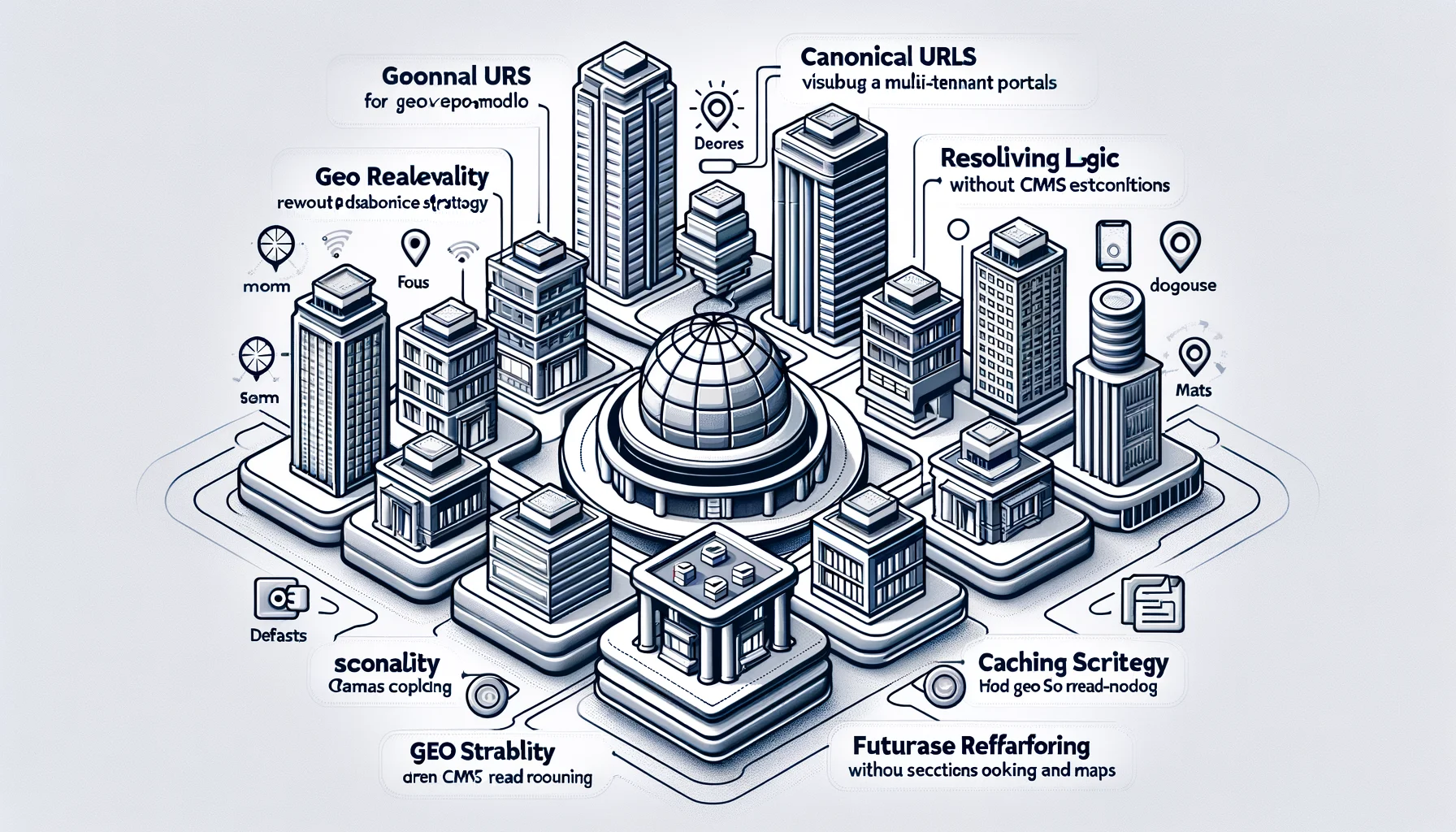
规范化架构、URL 设计、解析器逻辑、API 与可扩展性规范
面向多租户门户的地理发现架构。定义了规范化 URL、解析器逻辑、缓存策略以及不依赖 CMS 耦合或数据库重构的地理读模型。该设计旨在确保 SEO 稳定性、高可扩展性,并支持未来的功能扩展,例如预订和地图。

Remove Duplicate APT Package Sources: Expert Guide for Ubuntu and Debian
A detailed guide for identifying and removing redundant or duplicate APT package sources in Debian and Ubuntu systems to ensure stability and performance.
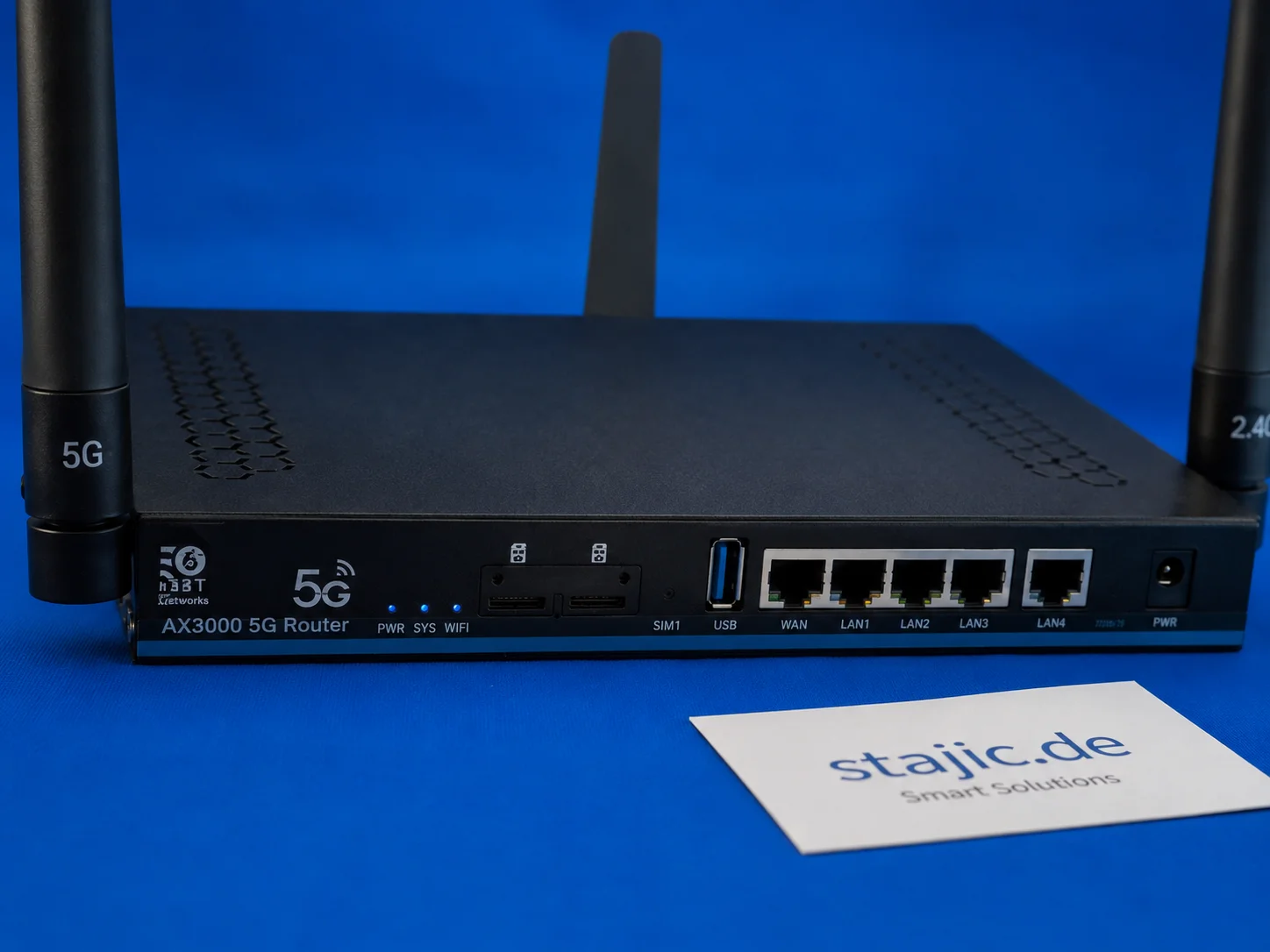
Quectel RM500U-EA在ZBT Z8102AX中:5G频段、o2德国及实际信号表现
ZBT Z8102AX 使用移远 RM500U-EA 调制解调器实现 4G 和 5G 连接。在首次实际测试中,该路由器成功连接至德国 o2 网络,使用 LTE Band 3 和 NR n28 频段。调制解调器工作正常,但更深层次的诊断功能如 RSRP、RSRQ、SINR、频段锁定及小区行为仍需进一步测试。