
Laravel 12 Custom CMS with Filament 3: The Expert Workflow

Introduction: The New Era of Custom CMS
The development of custom content management systems (CMS) regularly challenges professionals and experts to find a balance between rapid implementation and profound adaptability. While traditional frameworks often require lengthy development of the administrative user interface, modern ecosystems offer innovative solutions. Laravel, known for its elegance and robustness, forms the foundation here.
The combination of Laravel 12's stable backend and the declarative admin panel builder Filament 3 creates a highly efficient workflow. This synergy allows development teams to implement complex business logic while quickly and intuitively building the user interface for administrators. The focus is on creating systems that are precisely tailored to the specific requirements of the client – a custom CMS in the best sense.
Overview: Laravel 12 and Filament 3 in Interaction
Laravel 12 serves as the backbone of the application. It provides the necessary structure for database migrations, routing, API endpoints, and business logic. Laravel's strength lies in its comprehensive documentation and large community, which creates a solid foundation for long-term maintainable projects. Filament 3, on the other hand, transforms the way the administrative interface is developed. It is not just a theme, but a complete toolkit based on Livewire and Alpine.js.
The innovative workflow enabled by this combination is characterized by its speed and declarative nature. Instead of manually coding every form or table in Blade, experts define the structure of resources (Models), and Filament automatically generates the CRUD (Create, Read, Update, Delete) interfaces. This significantly accelerates the prototyping phase and allows development time to be focused on the complex, unique features of the custom CMS.
Advantages and Disadvantages of the Innovative Workflow
The decision for Laravel 12 and Filament 3 brings clear advantages for professional development teams, but also entails specific challenges, particularly in the area of authentication and ecosystem management.
- Rapid Application Development (RAD): The declarative structure of Filament 3 (Forms, Tables, Notifications) drastically reduces boilerplate code and enables extremely fast creation of functional admin panels.
- Consistent User Interface: Filament offers a modern, accessible, and uniform user interface that is ready for immediate use, eliminating the need for frontend design work for the backend.
- Deep Customizability: Although Filament automates much, it allows experts to delve deep into Livewire components to implement specific workflows and complex validation rules.
- Modularity: By separating the frontend (Laravel application) and backend (Filament admin), development teams can create clear architectures that promote scalability and maintainability.
Despite these advantages, challenges exist, particularly when integrating authentication solutions. A central problem frequently discussed by experts is Filament's compatibility with Laravel Jetstream, especially in the context of third-party logins.
The Jetstream problem with third-party login arises because Jetstream is designed as a comprehensive starter kit for the entire user management of the main application (including team management and two-factor authentication). Filament, on the other hand, comes with its own leaner authentication for the admin panel. When developers try to use Jetstream for the main application and Filament for the CMS backend simultaneously, conflicts arise, especially when Socialite (for third-party logins) comes into play. Filament's authentication middleware and routing are decoupled from Jetstream, which complicates seamless, shared use of third-party logins for both areas (frontend app and admin panel) and often requires manual adjustments to guard configurations. This represents a break in the otherwise seamless workflow and requires deep expert knowledge to resolve.
Technical Details and Architecture
The technical foundation of the Custom CMS is based on the modern architecture of Laravel 12. This framework utilizes the latest PHP features and offers improved performance and enhanced security functions. Laravel 12 provides the Eloquent ORM layer, which Filament 3 uses to quickly translate data models into interactive user interfaces.
Filament 3 is architecturally built on the TALL stack (Tailwind CSS, Alpine.js, Livewire, Laravel). Livewire enables the creation of dynamic interfaces without requiring extensive JavaScript knowledge. Filament's components – such as resource pages, custom pages, widgets, and forms – are declaratively defined. This means that developers do not have to manage the state of the UI; instead, they describe how the UI should look based on the state of the data. This abstraction is key to the innovative and fast workflow, as it minimizes the complexity of frontend interaction.
Furthermore, Filament's modular nature allows for easy integration of plugins for functionalities such as translations (Translatable Models), extended access rights (Permissions), and custom dashboards, which is essential for professional, scalable CMS solutions.
Use Cases for Professional Solutions
The combination of Laravel 12 and Filament 3 is excellently suited for projects where standard CMS solutions (like WordPress or Drupal) reach their limits. Experts use this stack when the data structure is highly complex or unique, business-specific workflows need to be mapped.
Typical use cases include:
- Enterprise Resource Planning (ERP) Light: Development of internal tools for managing inventory, customer relationships, or project management that require a highly customized data view.
- Specialized E-Commerce Backends: When product catalogs or order processes require unique fields or validations that go beyond standard e-commerce platforms.
- Database Management Systems: Creation of intuitive admin panels for complex databases that need to be managed by non-technical staff.
- Multi-Tenant Applications: Development of SaaS solutions where each client (tenant) requires its own isolated data view and specific configuration options in the backend.
In all these scenarios, professionals benefit from the ability to cleanly encapsulate backend logic in Laravel 12, while Filament 3 ensures the rapid provision of a functional and aesthetic administration interface.
Conclusion and Takeaway
The combination of Laravel 12 and Filament 3 represents a significant advancement in custom CMS development. It enables an innovative and efficient workflow that allows experts to focus on value creation in business logic rather than spending time on creating CRUD interfaces. The declarative nature of Filament 3 ensures high development speed and a consistent user experience in the backend.
Takeaway: For professional developers requiring a highly customized CMS, the Laravel 12/Filament 3 stack offers unparalleled speed and flexibility. However, it is crucial to be aware of the architectural challenges, particularly the potential conflicts when integrating Jetstream for the main application and the associated complexity in implementing third-party logins. A clear separation of authentication strategies is essential for smooth operation.
Related Articles

Google I/O 2026:反重力、AI Studio 以及向智能体开发工具的转变
Google I/O 2026 向工程师们明确传达了一个信息:AI 工具正从自动补全迈向托管式自主执行。本文深入解析 Antigravity 2.0、Google AI Studio 不断扩展的角色、Gemini 3.5 Flash,以及在编排、锁定效应、验证和开发者工作流设计方面的实际权衡。

Qwen 3.6 生产环境部署:发布手册、AI 回滚与 LLMOps 版本管理
Qwen 3.6 不仅仅是一次模型升级。它同时是一个发布事件、一个回滚场景和一个版本管理问题。本文通过LLMOps规范、提示词与模型可追溯性、受控发布以及基于证据的回滚准备,阐述了在生产环境中应如何处理Qwen 3.6。
Welcome to NuxtWP Multilang Theme
Introduction to the NuxtWP Multilang Theme - a modern multilingual CMS built with Nuxt 4.
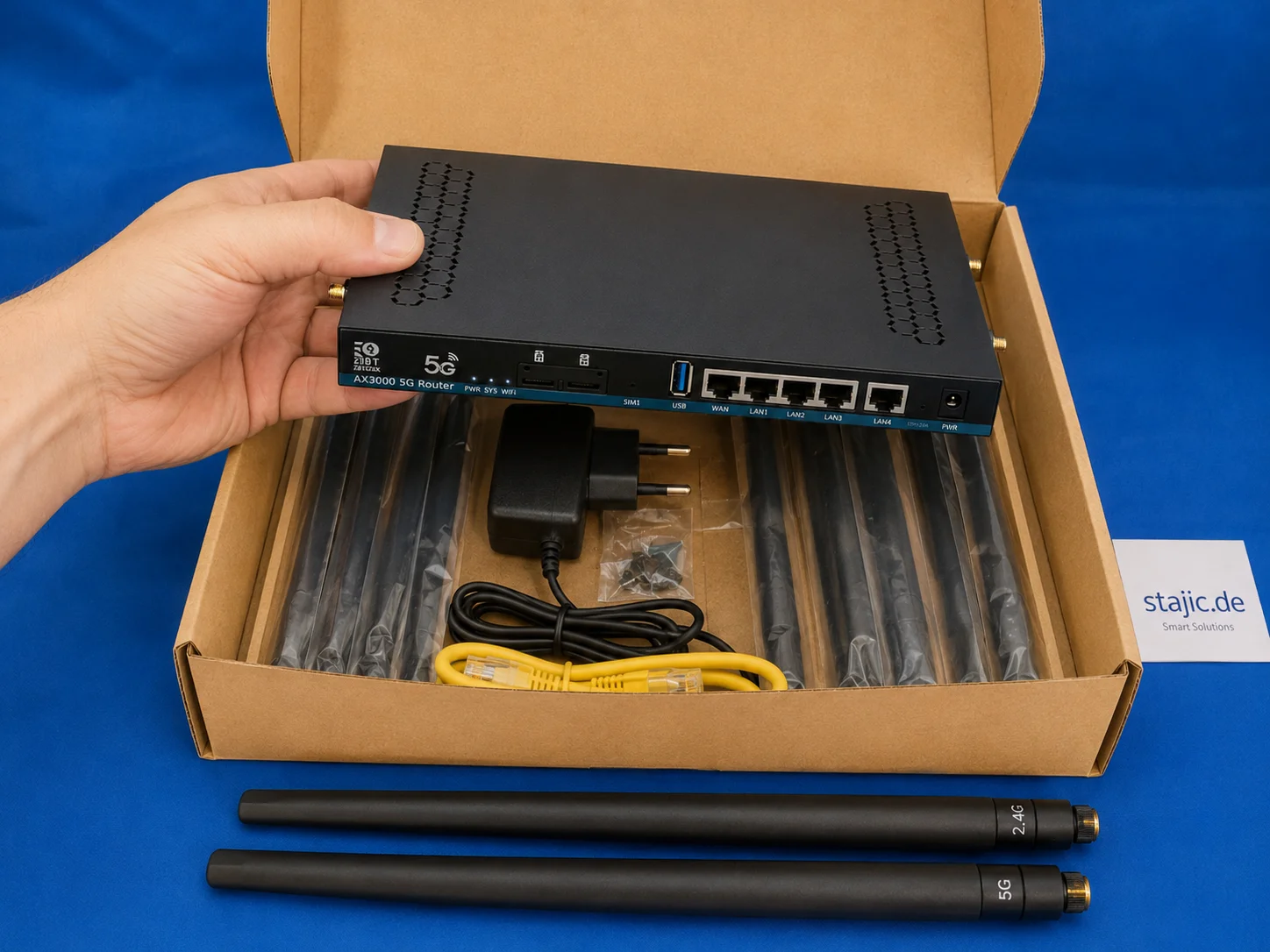
ZBT Z8102AX 硬件与包装评测:强劲路由器,薄弱包装
ZBT Z8102AX 作为一款纤薄黑色金属5G OpenWrt路由器,配备多个天线接口、双SIM卡槽、USB、LAN/WAN端口及实用配件套装,给人留下扎实的第一印象。硬件设计实用且专业,但包装显然是薄弱环节。

企业AI运行手册中回滚触发器的全面指南
本指南探讨回滚触发器,这是企业AI运行手册中的关键机制,能自动检测异常并启动回滚以维持系统稳定。了解如何配置、监控和优化这些触发器,以实现稳健的AI部署。

Remove Duplicate APT Package Sources: Expert Guide for Ubuntu and Debian
A detailed guide for identifying and removing redundant or duplicate APT package sources in Debian and Ubuntu systems to ensure stability and performance.

AI Agent可靠性:为什么最终答案并不足够
正确的输出并不能证明推理的正确性、执行的安全性,或系统的可信赖性。
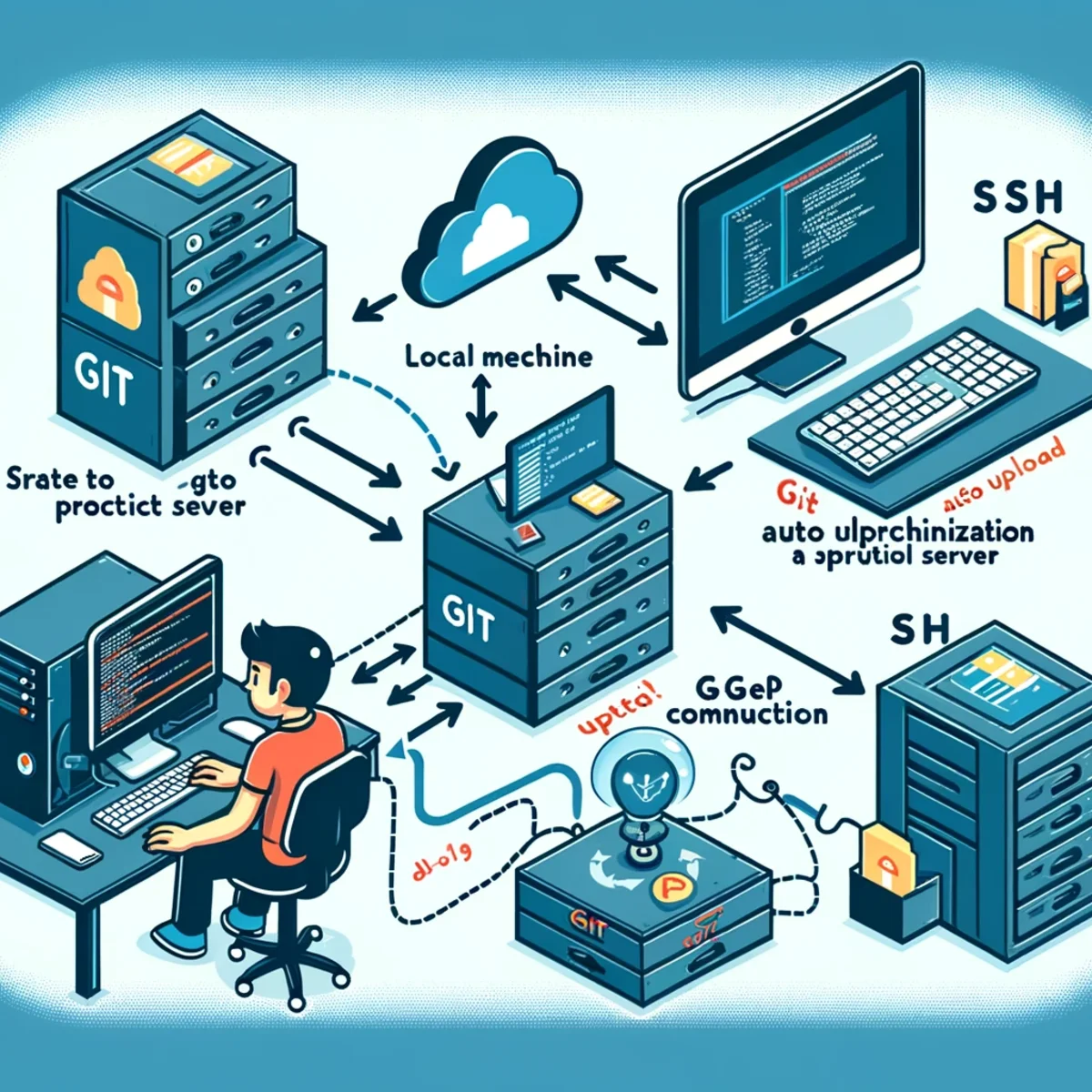
git-with-automatic-upload-and-synchronization-to-a-production-server
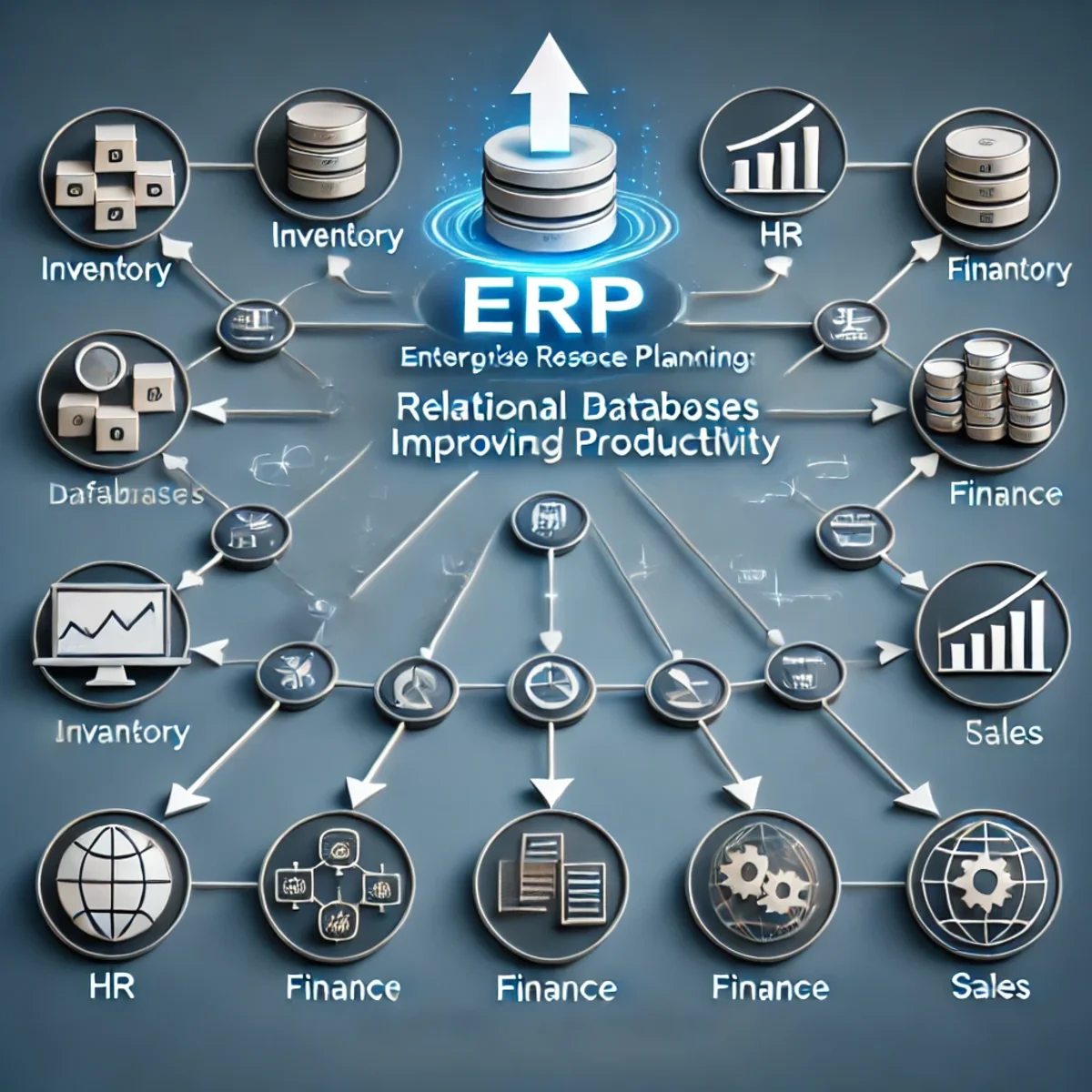
Boosting Productivity with ERP Systems: A Case Study on Relational Databases
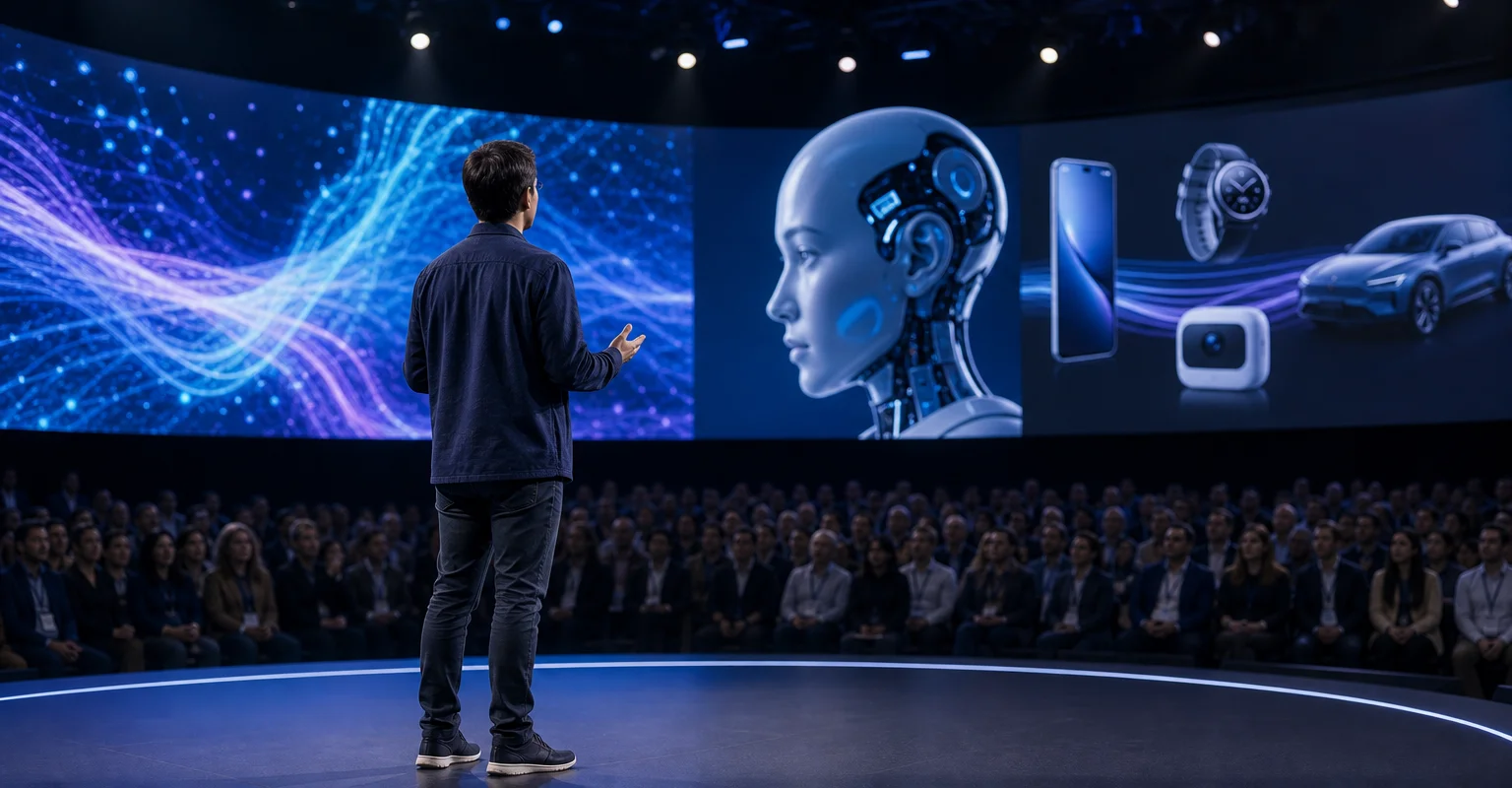
Google I/O 2026:架构转型、自主AI与统一生态的现实检验
Google I/O 2026 不仅仅是一场模范活动。它展示了 Gemini 模型、开发者工具、Android 相关界面以及智能设备之间更深层次的平台变革。本文作为核心报道,为需要区分实际运行时影响与舞台炒作的技术工程师、架构师和产品团队解读这场主题演讲。

Google I/O 2026:Android XR、智能眼镜与环境AI界面
Google I/O 2026 将 Android XR 和智能眼镜从概念推向实际平台方向。本文解析了音频眼镜、显示眼镜、Gemini 驱动的上下文感知、开发者影响、隐私风险,以及为何可穿戴 AI 更关乎创造环境辅助界面,而非取代手机。
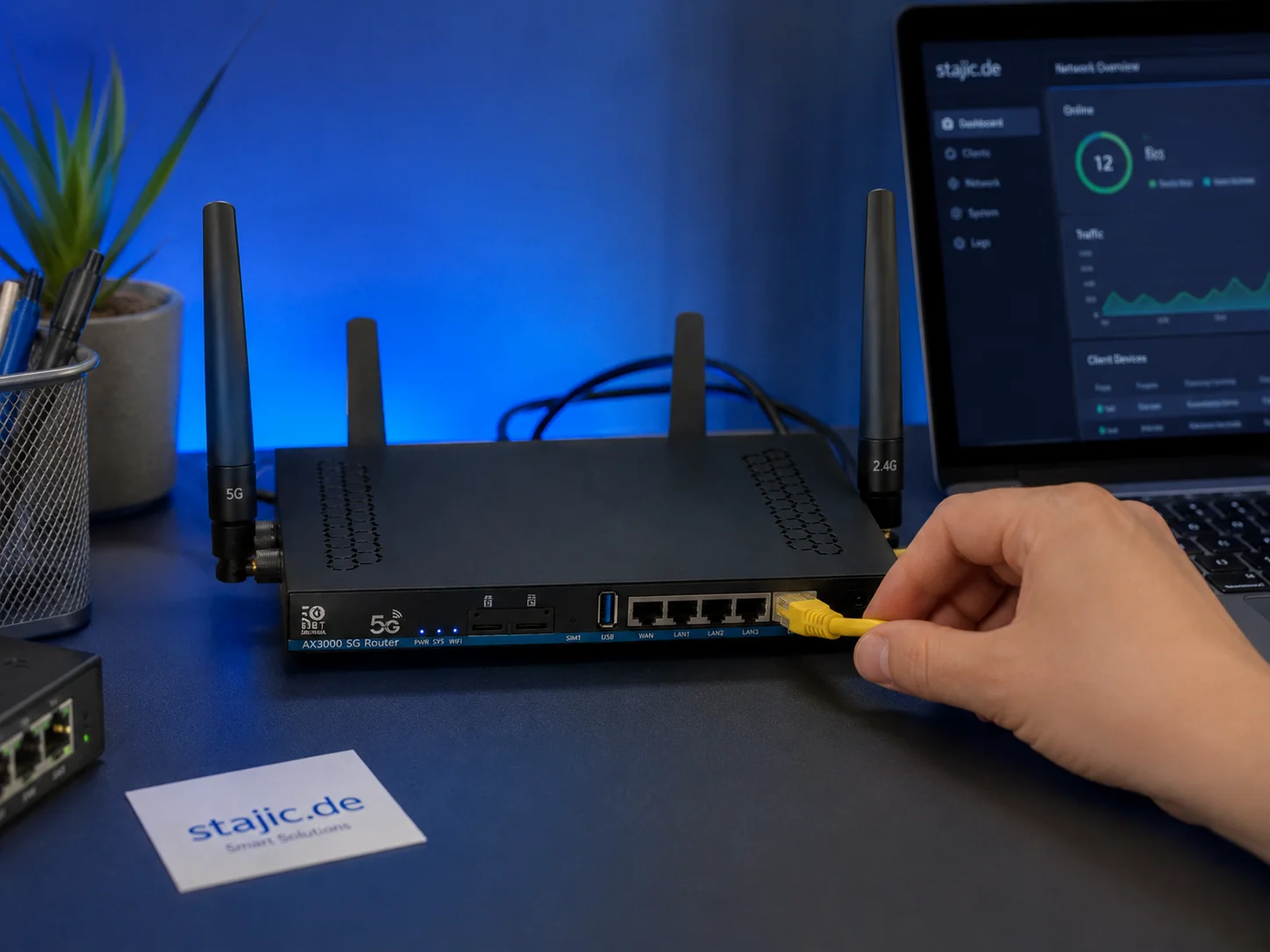
ZBT Z8102AX OpenWrt 21.02 固件评测:足够稳定,但能否面向未来?
ZBT Z8102AX 运行的是厂商修改版 OpenWrt 21.02 固件,内核版本为 5.4.246。实际测试中,该固件运行稳定,可保持路由器连续数日正常工作,但老旧的基础版本引发了关于安全性、调制解调器控制、升级路径及长期可维护性的重要问题。