
Boosting Productivity with ERP Systems: A Case Study on Relational Databases

Boosting Productivity with ERP Systems: A Case Study on Relational Databases In today's competitive business environment, the integration of advanced technology into operational processes is crucial for maintaining efficiency and productivity. One such technology that has proven to be a game-changer is Enterprise Resource Planning (ERP) systems. These systems, when combined with relational databases, can significantly enhance productivity by streamlining operations, improving data accuracy, and providing actionable insights. Understanding ERP Systems ERP systems are comprehensive software platforms used to manage and integrate the crucial parts of a business. An ERP software system can integrate planning, purchasing inventory, sales, marketing, finance, human resources, and more. The Role of Relational Databases in ERP Systems Relational databases are a type of database that stores and provides access to data points that are related to one another. They are highly effective in managing large volumes of data and enabling quick retrieval and analysis. When integrated with ERP systems, relational databases can facilitate the following: Data Consolidation: Combining data from various departments into a single source of truth. Real-Time Data Access: Providing up-to-date information for better decision-making. Enhanced Reporting: Offering comprehensive reports that integrate data from different sources. Case Study: Improving Productivity with ERP and Relational Databases Company Overview Megatime, a leading innovator in the Swiss watch industry, sought to include Ireland in its European marketing campaign for its new smartwatch. Challenge The company needed to streamline its operations and improve productivity to handle the increased demand. Solution By implementing an ERP system integrated with relational databases, Megatime was able to: Improve Inventory Management: Real-time tracking of inventory levels helped reduce overstock and stockouts. Enhance Customer Service: Access to consolidated customer data allowed for more personalized and efficient service. Optimize Supply Chain: Better data flow between departments streamlined the supply chain operations. Results Increased Efficiency: The company saw a 20% increase in operational efficiency. Cost Savings: The improved data accuracy and reporting capabilities led to a 15% reduction in operational costs. Higher Customer Satisfaction: Improved service quality resulted in higher customer satisfaction scores. Visualizing the Integration In the above model, the central ERP system is depicted as connected to various databases like inventory, HR, finance, and sales. Data flow arrows show the integration, while productivity improvements are highlighted through icons like graphs and upward arrows. Conclusion Integrating relational databases with ERP systems can significantly boost a company's productivity. By providing real-time data access, improving reporting capabilities, and streamlining operations, businesses can achieve greater efficiency and better decision-making. For companies like Megatime, this integration has proven to be a strategic advantage in a competitive market. For more insights on ERP systems and their impact on business productivity, visit Stajic.de.
Related Articles

Unternehmensfähige mandantenfähige Architektur für eine internationale Plattform
Loving Rocks ist eine Hochzeitsplattform auf Unternehmensniveau, konzipiert mit einer echten Mehrmandantenarchitektur, isolierten Datenbanken pro Mandant und integrierter Internationalisierung für globale Skalierbarkeit, Sicherheit und langfristige Betriebsstabilität.

Google I/O 2026: Architektonische Neuausrichtungen, agentische KI und der Realitätscheck des einheitlichen Ökosystems
Die Google I/O 2026 war nicht nur ein Modell-Event. Sie zeigte eine tiefgreifendere Plattformverschiebung über Gemini-Modelle, Entwicklertools, mit Android verknüpfte Oberflächen und intelligente Geräte hinweg. Dieser Artikel schlüsselt die Keynote als Hub-Story für Ingenieure, Architekten und Produktteams auf, die reale Laufzeitauswirkungen vom Hype auf der Bühne trennen müssen.
force install package in virtualenv
Installation Apache Solr 7.6.0 auf Ubuntu 18.04 LTS und 18.10

Google I/O 2026: Android XR, intelligente Brillen und das Ambient-AI-Interface
Google I/O 2026 hat Android XR und intelligente Brillen von einem Konzept hin zu einer echten Plattformrichtung vorangetrieben. Dieser Artikel schlüsselt Audio-Brillen, Display-Brillen, Gemini-gestütztes Kontextbewusstsein, Auswirkungen auf Entwickler sowie Datenschutzrisiken auf und erklärt, warum es bei Wearable-KI weniger darum geht, Telefone zu ersetzen, als vielmehr darum, ambiente Assistenzflächen zu schaffen.
PostgreSQL 14 Ubuntu Server 23.04
PostgreSQL 14 Ubuntu Server 23.04
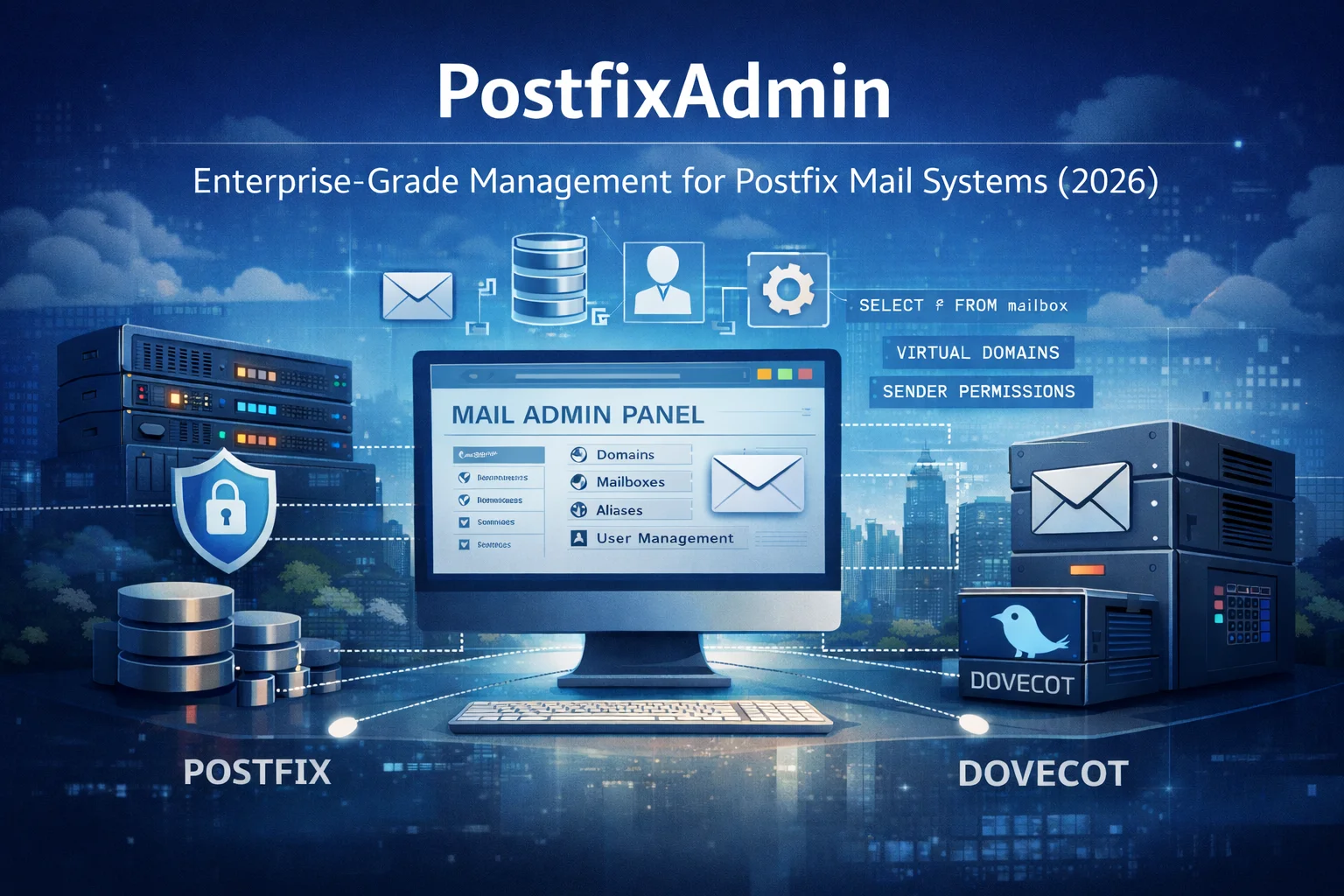
PostfixAdmin: Management in Unternehmensqualität für Postfix-Mailsysteme — Anno 2026
PostfixAdmin ist eine datenbankzentrierte Verwaltungsoberfläche, entwickelt für professionelle Postfix-Mailsysteme. Anstatt Komplexität zu verbergen, bietet es präzise Kontrolle über Domains, Mailboxen, Aliase und Absenderberechtigungen. Dieser Artikel erklärt, warum PostfixAdmin auch 2026 eine vertrauenswürdige Unternehmenslösung bleibt und wie es in moderne, sicherheitsorientierte Mail-Infrastrukturen passt.
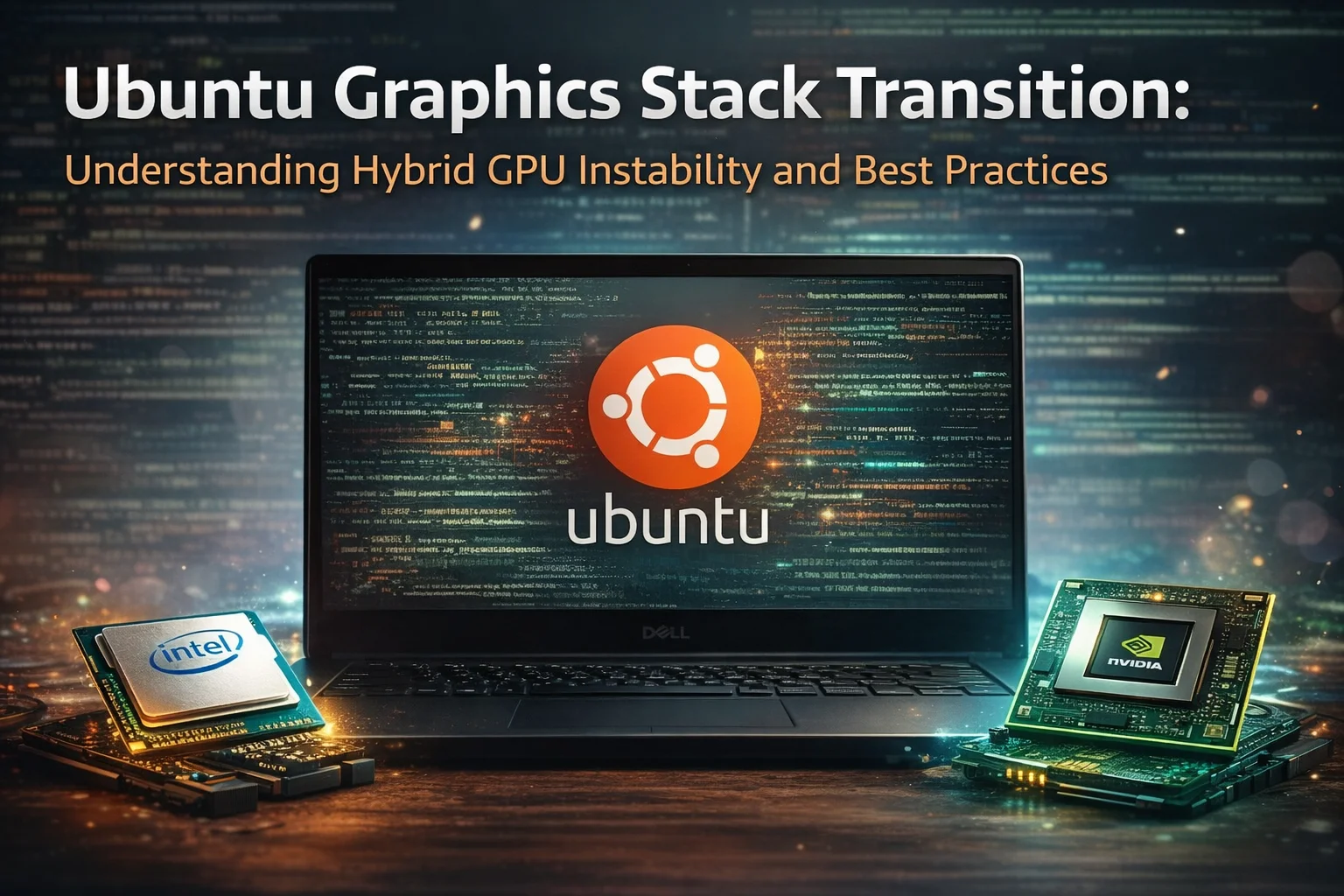
Ubuntu Grafik-Stack-Umstellung: Hybrid-GPU Boot-Abstürze, Wayland-Risiken und Stabile Bereitstellungspraktiken
Ubuntu-Desktop-Upgrades können Boot-Hänger, fehlende Anmeldesitzungen und instabiles Rendering auslösen – insbesondere auf hybriden Intel- + NVIDIA-Systemen. Dieser Artikel erklärt den zugrunde liegenden Grafik-Stack-Übergang, warum Regressionen auftreten und wie Ubuntu sicher unter Verwendung von LTS-Baselines und validierten Treiberstrategien bereitgestellt werden kann.

Optimierung der Codequalität: Testen mit ESLint und Prettier
Dieser Artikel beschreibt die Integration von ESLint und Prettier in moderne Entwicklungs- und Test-Workflows und konzentriert sich auf die praktische Umsetzung für eine konsistente Codequalität und einen einheitlichen Stil.
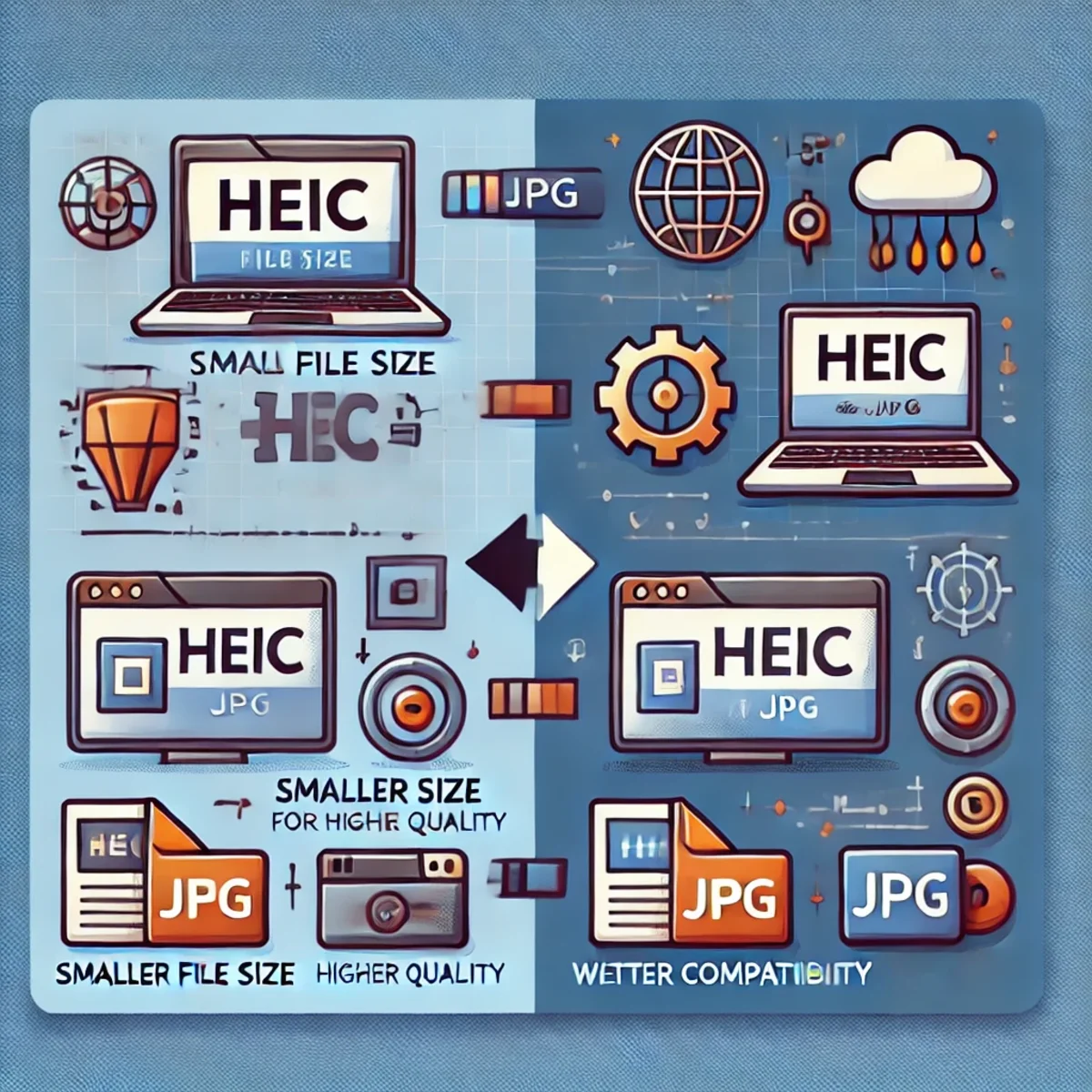
HEIC zu JPG Konvertierung: Warum Sie es in Betracht ziehen sollten und wie es funktioniert
HEIC bietet moderne Bildkompression und hohe Qualität, aber JPG bleibt das kompatibelste Format. Dieser Leitfaden erklärt, wann und wie Sie HEIC mithilfe von Linux-Tools und Automatisierung in JPG konvertieren.

Google I/O 2026: Antigravity, AI Studio und der Wandel zu agentischen DevTools
Google I/O 2026 machte eines für Ingenieure klar: KI-Tooling bewegt sich über die Autovervollständigung hinaus hin zu verwalteter agentischer Ausführung. Dieser Artikel schlüsselt Antigravity 2.0, die wachsende Rolle von Google AI Studio, Gemini 3.5 Flash und die realen Kompromisse rund um Orchestrierung, Lock-in, Verifizierung und das Design von Entwickler-Workflows auf.