
Database Marketing – Modern Approach for Customer Relationships

Database Marketing: A Modern Approach to Customer Relationships
In my professional career, I have implemented numerous projects in the field of database marketing and customer relationship management. The goal has always been to support companies in sustainably strengthening their customer relationships through the targeted use of data and modern technology.
This article is based on practical experience as well as strategic and technical insights from real projects in the marketing and IT environment.
Why is Database Marketing Important?
In the digital economy, the effective handling of customer data determines a company's success. Database marketing makes it possible to specifically collect, evaluate, and use relevant information for personalized marketing measures.
Companies can thus optimize customer acquisition, retain customers long-term, create personalized offers, and use marketing budgets more efficiently.
The Foundation of Database Marketing
Successful database marketing is based on three central pillars that must be implemented cleanly from a technical and organizational perspective.
- Data Collection: Capturing relevant customer data from websites, CRM systems, social media, and transactions.
- Data Analysis: Use of modern analytical tools to identify patterns, preferences, and customer behavior.
- Automation: Systems for real-time data processing and triggering automated campaigns.
Challenges in Database Marketing
Despite the great potential, companies face several challenges in database marketing, which are both technical and organizational in nature.
- Data Quality: Incomplete or erroneous data leads to incorrect decisions.
- Integration: Different data sources must be transferred into a consistent system.
- Data Protection: GDPR compliance and secure storage of sensitive customer data are mandatory.
Technical Implementation in Database Marketing
From a technical perspective, database marketing requires a clean architecture and clearly defined data flows. Scalability, security, and maintainability are the focus.
- APIs for integrating CRM, ERP, and third-party systems.
- Data Warehousing for central storage and analysis of large data volumes.
- Use of AI and Machine Learning for pattern recognition and predictions.
- Cloud Platforms for scalability and flexible infrastructure.
- Security measures such as encryption and access controls.
Best Practices for Successful Database Marketing
Clear best practices have been established in practice that help companies unlock the full potential of their data.
- Regular cleaning and validation of the database.
- Meaningful customer segmentation for personalized campaigns.
- Use of marketing automation tools for efficient processes.
- Measurement of relevant KPIs such as conversion rates and customer loyalty.
Conclusion
Database marketing is an indispensable tool for companies that want to strengthen their customer relationships and grow sustainably. The combination of modern technology, strategic thinking, and sound analysis enables efficient, personalized, and measurable marketing measures.
With technical experience and strategic know-how, I support companies in leveraging these potentials in a targeted and sustainable manner.
Related Articles

erstellen-eines-benutzerdefinierten-gpt-4-plugins-in-wordpress

Remove Duplicate APT Package Sources: Expert Guide for Ubuntu and Debian
A detailed guide for identifying and removing redundant or duplicate APT package sources in Debian and Ubuntu systems to ensure stability and performance.

ZBT Z8102AX 双SIM卡故障切换:有效功能、缺失功能及固件需改进之处
ZBT Z8102AX是一款双SIM卡5G OpenWrt路由器,但仅具备双SIM卡硬件并不等同于智能故障切换。该路由器能识别SIM卡并成功连接,但自动切换、调制解调器恢复、基于信号的决策以及清晰的故障切换逻辑仍需更深入的测试。
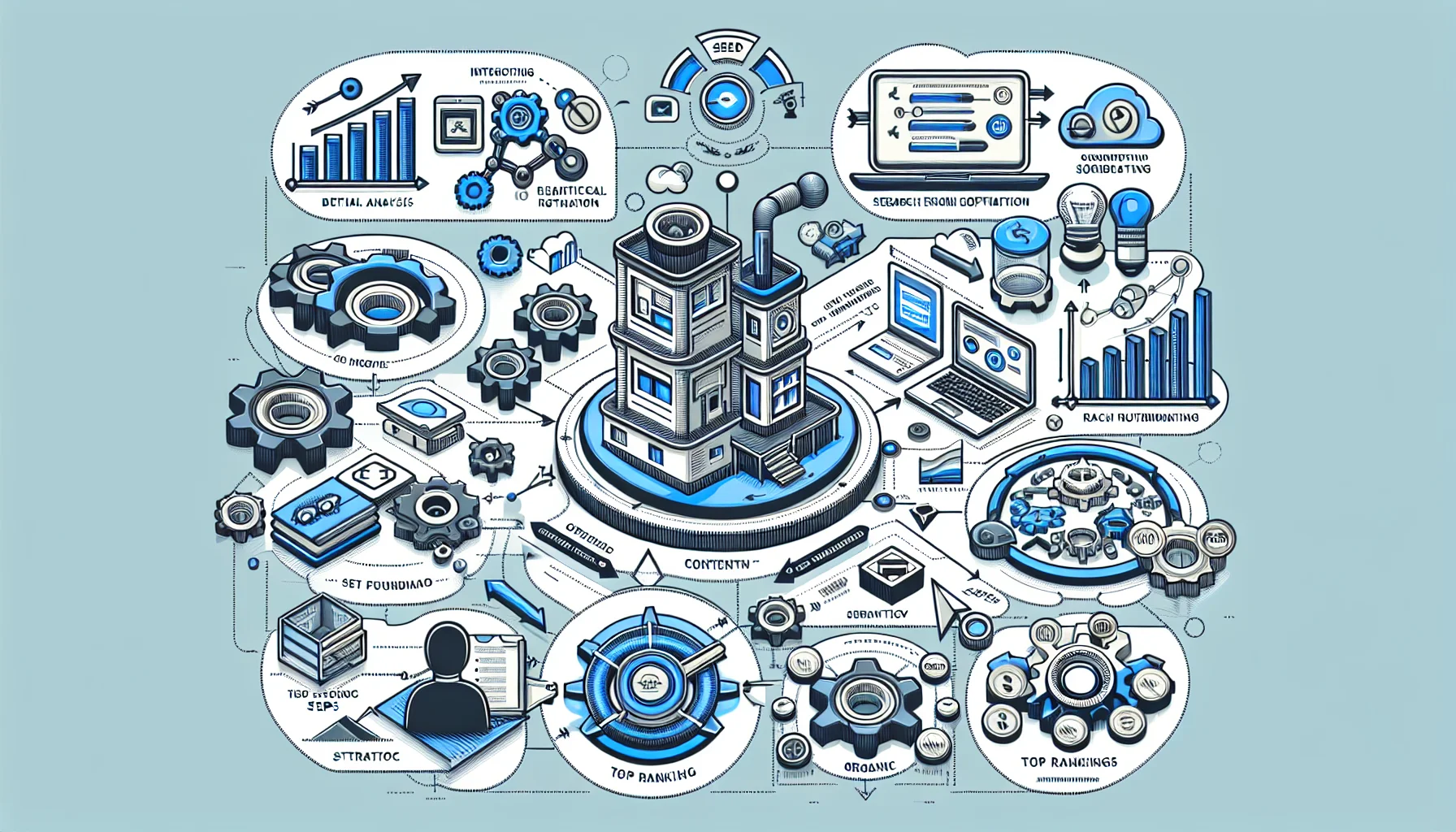
搜索引擎优化:实现顶级排名的可靠工作流程
搜索引擎优化(SEO)的详细分析,包括其技术基础、网络爬虫的作用,以及实现有机搜索排名前列的战略步骤。

Enterprise Start Here: Your Gateway to Operational Excellence
New to our enterprise platform? This guide provides a structured onboarding path, from foundational reference models to actionable playbooks, runbooks, and assessments designed for seamless implementation.

前端与后端开发
前端和后端开发是网络开发的重要组成部分,涉及创建网络应用程序和网站。前端开发专注于用户界面,而后端开发则负责编程和管理服务器端。

超越提示工程:一种更可靠的人工智能推理方法
大型语言模型未必是因为缺乏推理能力而失败。它们常常失败,是因为推理过程没有得到充分的约束、质疑或验证。本文提出一种与领域无关的方法论,将提示转化为一种结构化的认知过程:将事实与假设分离,生成相互竞争的假说,检验反证,应用证伪,并检查结论在替代性框架下是否仍然稳定。目标不是让模型“更少同意”,而是让它的结论更少依赖于用户最初的框架。

人工智能推理的可证伪性:从答案到经过检验的假设
AI模型几乎可以为任何看似合理的假设生成令人信服的证据。一种更可靠的方法论则提出相反的问题:什么证据会削弱、反驳或迫使我们放弃该结论?本文利用竞争性假设、判别性检验、反证和明确的拒绝标准,为LLM发展以证伪为导向的推理。

AI Agent可靠性:为什么最终答案并不足够
正确的输出并不能证明推理的正确性、执行的安全性,或系统的可信赖性。
Database Marketing: A Modern Approach to Customer Relationships
Database marketing is essential for modern customer relationship management. Learn how strategic data use, technical expertise, and innovation drive personalized customer interactions and sustainable growth.
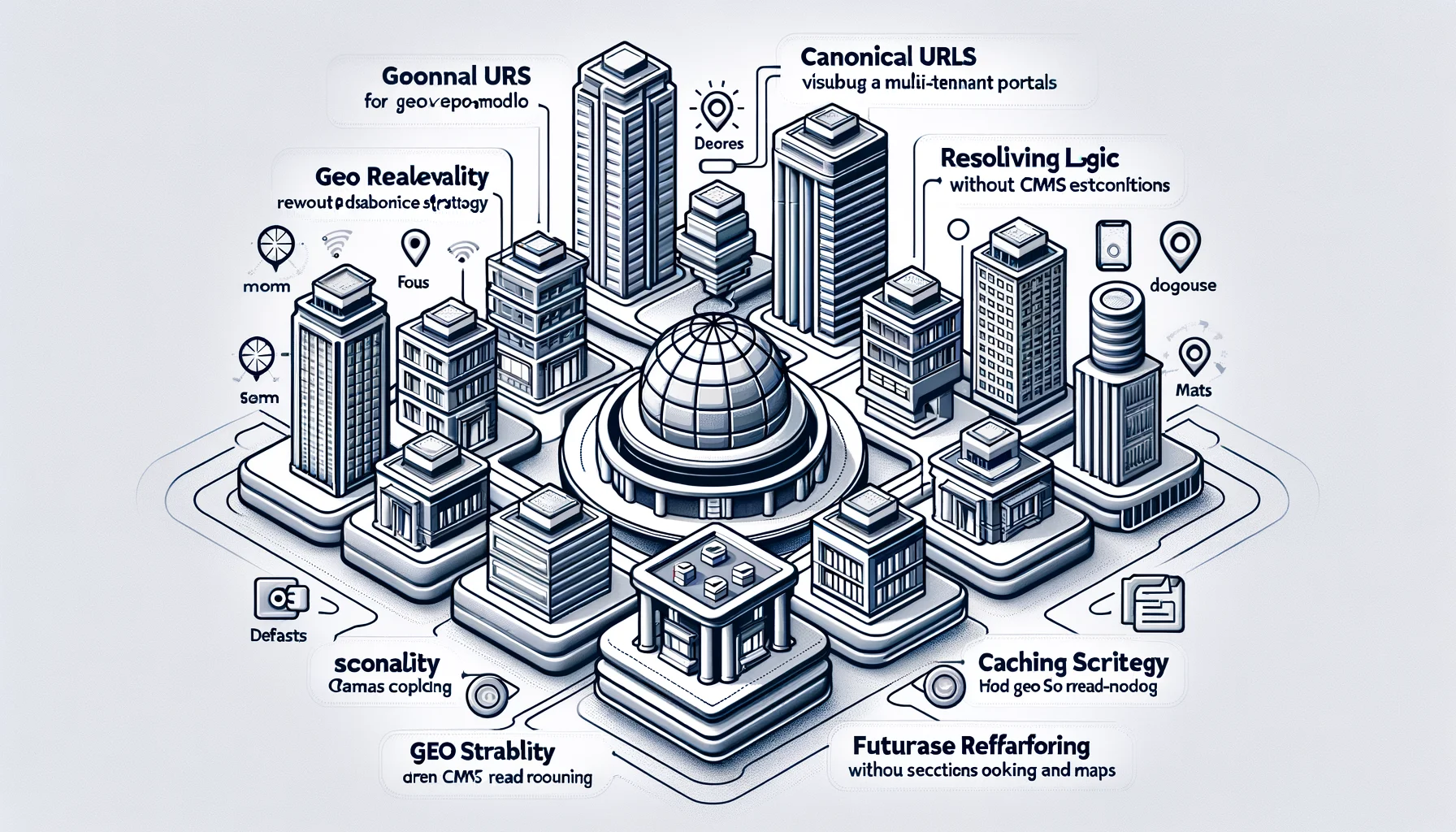
规范化架构、URL 设计、解析器逻辑、API 与可扩展性规范
面向多租户门户的地理发现架构。定义了规范化 URL、解析器逻辑、缓存策略以及不依赖 CMS 耦合或数据库重构的地理读模型。该设计旨在确保 SEO 稳定性、高可扩展性,并支持未来的功能扩展,例如预订和地图。
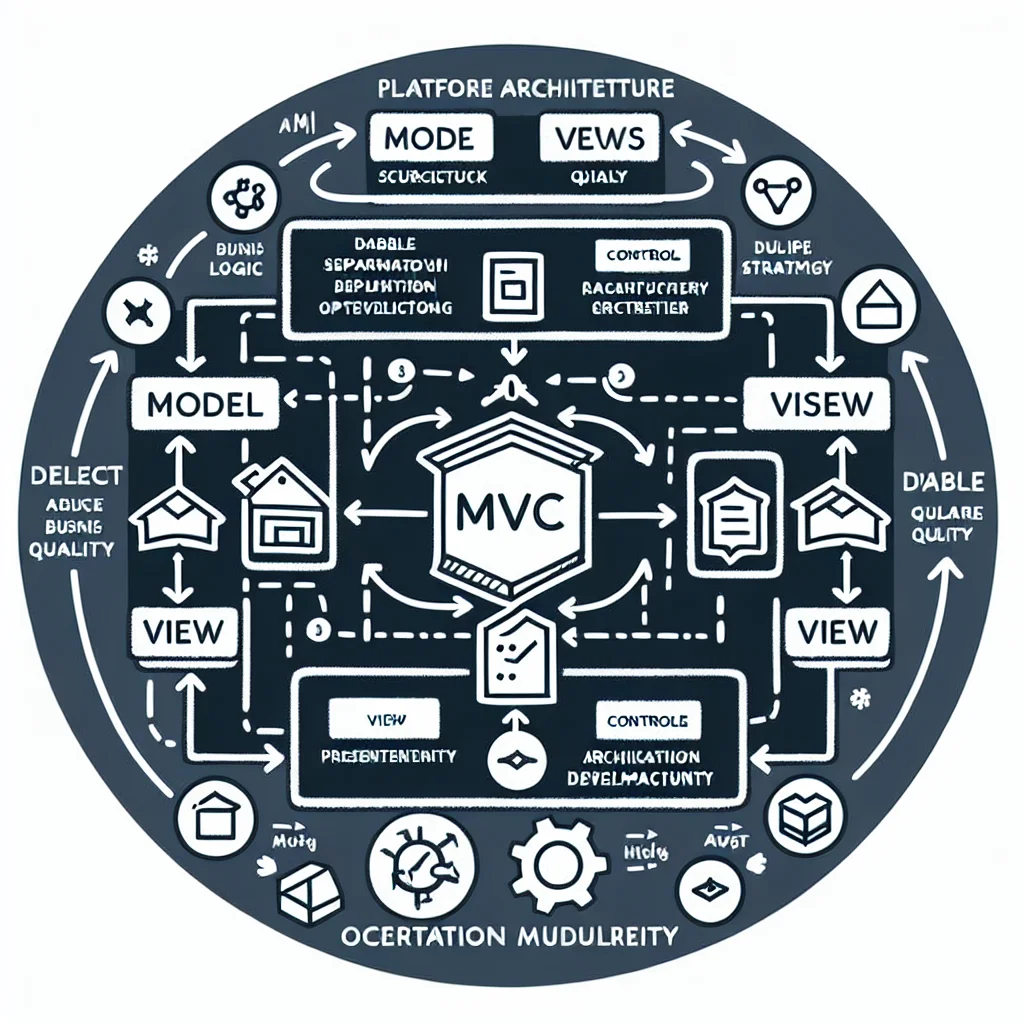
模型-视图-控制器(MVC):现代Web应用的结构支柱
模型-视图-控制器(通常简称为MVC)依然是软件开发中最经久不衰的架构模式之一。它为团队提供了一种实用的方法,将业务逻辑、展示层和用户交互分离,从而使应用程序更易于构建、扩展、测试和维护。本文阐述了MVC是什么、为何至今仍具重要性、它在当今Web技术栈中的定位,以及它如何与更广泛的平台架构、交付质量、迁移策略和运维成熟度相连接。