
PostgreSQL 14 Ubuntu Server 23.04
sudo apt install postgresql postgresql-contribPostgreSQL 14 is a relational database that offers a wide range of features and extensions. It is open-source software and can be used free of charge. Ubuntu Server 23.04 is a Linux distribution specifically designed for server deployment. It provides a stable and reliable platform for application and service provision. The combination of PostgreSQL 14 and Ubuntu Server 23.04 offers a powerful and scalable environment for data storage and management. PostgreSQL 14 provides features such as support for complex queries, triggers, and stored procedures, to name just a few. Installing PostgreSQL 14 on Ubuntu Server 23.04 is simple and can be done through the distribution's package manager. After installation, the database can be managed via the command line or a graphical user interface like pgAdmin. Overall, PostgreSQL 14 on Ubuntu Server 23.04 is a robust and reliable solution for data storage and management that can be utilized by both companies and developers.
Related Articles
ComfyUI on Fedora 43: Two Virtual Environments + One-Click Start (March 2026)
Goal: Keep two Python venvs (e.g., 3.12 + 3.14) for compatibility, but start ComfyUI automatically with a clean, lightweight setup.

From Research Protocol to a General AI Reasoning Framework
A methodology developed for rigorous AI-assisted research can be generalized far beyond research itself. By separating evidence from assumptions, testing competing hypotheses, controlling prompt framing, searching for counter-evidence and applying domain-specific validators, the same reasoning architecture can improve debugging, software design, strategy, technical analysis and AI-assisted decision support.
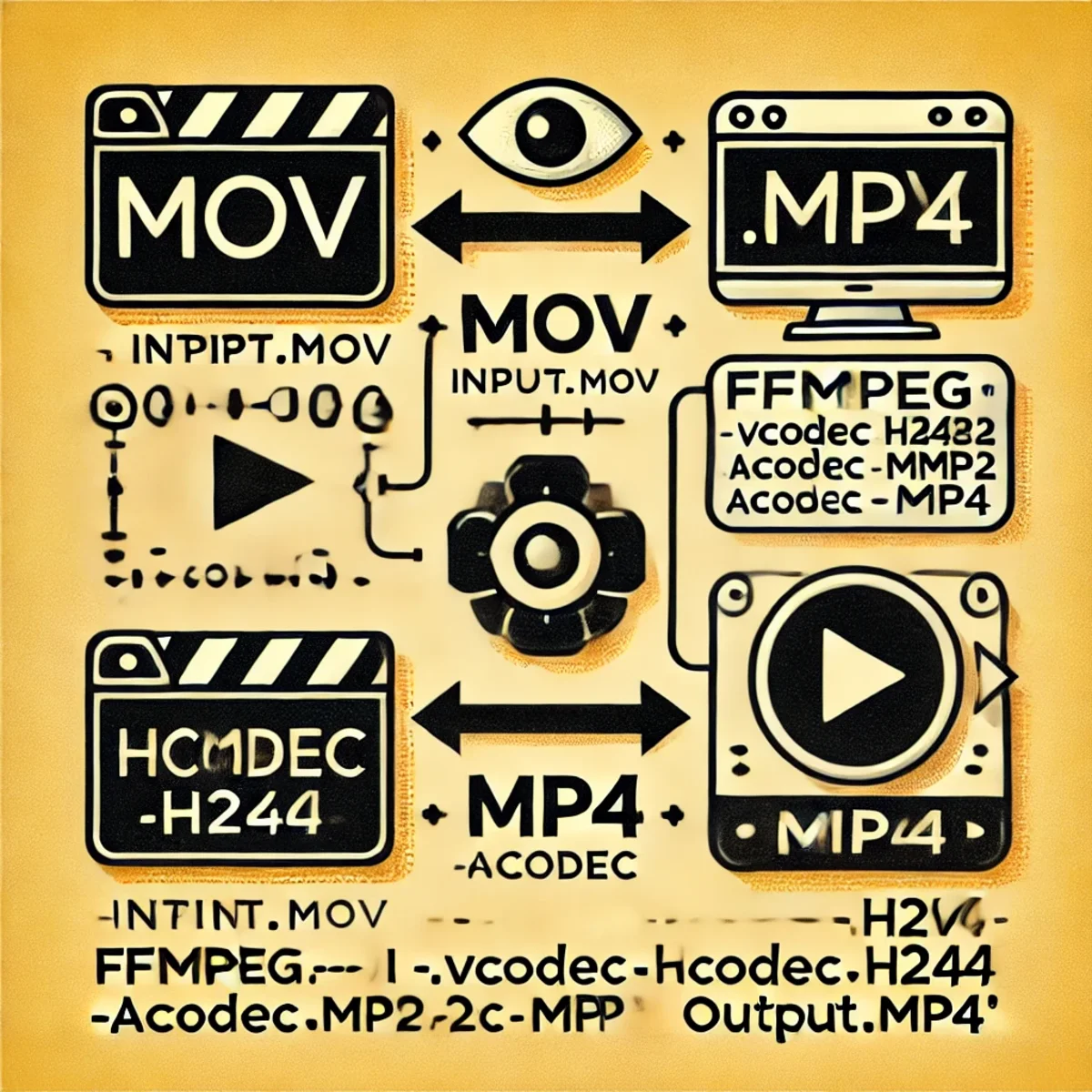
Convert MOV to MP4 Using FFmpeg: A Simple Guide
Learn how to convert MOV videos to MP4 using FFmpeg with reliable commands, batch processing, and quality optimization for web, streaming, and cross-platform compatibility.
Snap Packages: Why They Fall Short for Advanced Tools like DBeaver
Snap packages introduce restrictive sandboxing that breaks advanced workflows. This article explains why DBeaver struggles with SSH tunneling under Snap and why Flatpak or native packages are better alternatives.

Prompt Invariance: Does the Conclusion Survive the Prompt?
A practical methodology for testing whether an AI conclusion depends on the way a problem was framed. Prompt Invariance compares original, blind, inverted and adversarial formulations while keeping the evidence structure controlled.

ZBT Z8102AX OpenWrt 21.02 Firmware Review: Stable Enough, but Is It Future-Proof?
The ZBT Z8102AX runs a vendor-modified OpenWrt 21.02 build with kernel 5.4.246. In practical testing, the firmware worked successfully and kept the router stable for several days, but the old base raises important questions about security, modem control, upgrade paths and long-term maintainability.

A Practical Monorepo Architecture with Next.js, Fastify, Prisma, and NGINX
Explore a practical monorepo architecture using Next.js, Fastify, Prisma, and NGINX, highlighting real-world integration and workflow.

Drag-and-Drop with JavaScript: A Deep Analysis of the Native API for Interactive Menu Structures
Implementing drag-and-drop functionality is crucial for modern, interactive user interfaces. This article examines the technical implementation using the native HTML5 Drag-and-Drop API in Vanilla JavaScript and TypeScript, focusing on the creation of dynamic menu structures.

Google I/O 2026: Android XR, Intelligent Eyewear, and the Ambient AI Interface
Google I/O 2026 pushed Android XR and intelligent eyewear from concept toward a real platform direction. This article breaks down audio glasses, display glasses, Gemini-powered context awareness, developer implications, privacy risks, and why wearable AI is less about replacing phones and more about creating ambient assistance surfaces.
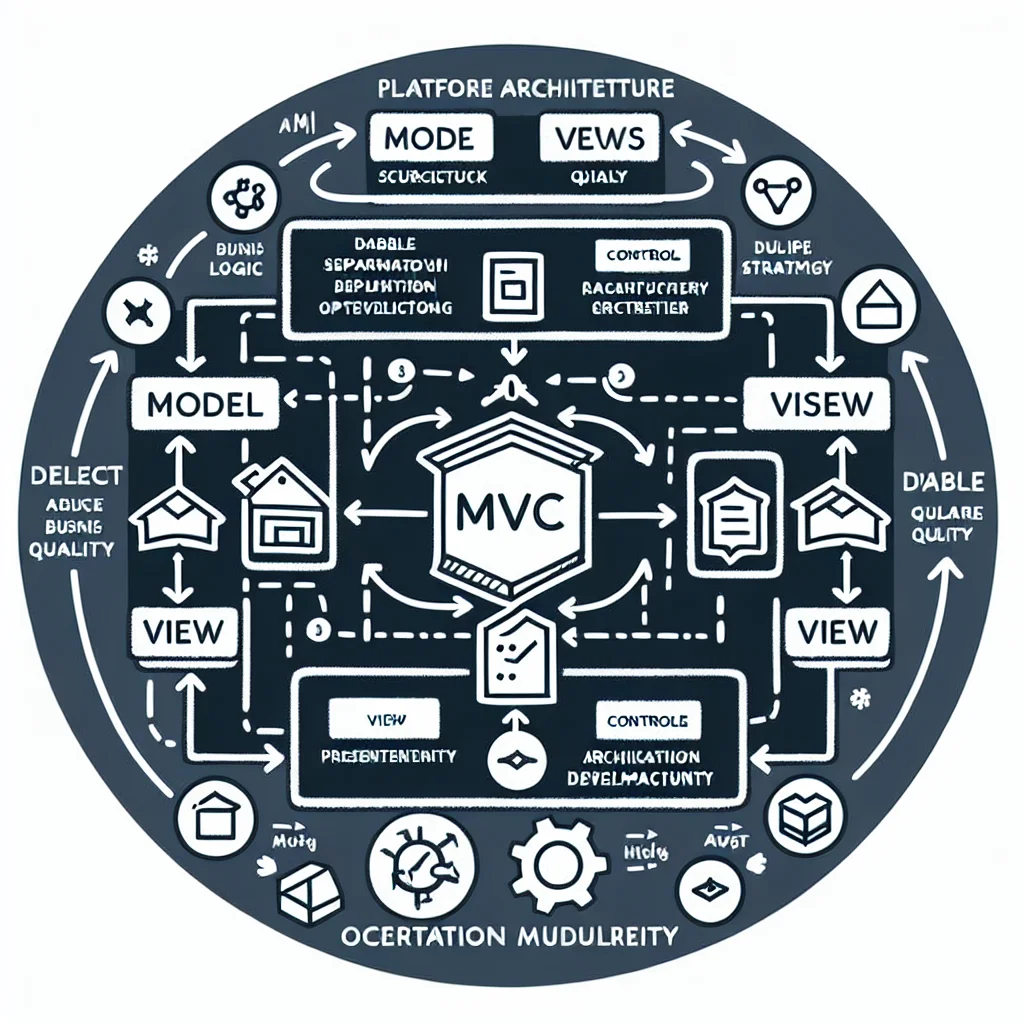
Model-View-Controller (MVC): The Structural Backbone of Modern Web Applications
Model-View-Controller, usually shortened to MVC, remains one of the most durable architectural patterns in software development. It gives teams a practical way to separate business logic, presentation, and user interaction so applications stay easier to build, extend, test, and maintain. This article explains what MVC is, why it still matters, where it fits in today’s web stacks, and how it connects to broader platform architecture, delivery quality, migration strategy, and operational maturity.

Falsification for AI Reasoning: From Answers to Tested Hypotheses
AI models can generate convincing evidence for almost any plausible hypothesis. A more reliable methodology asks the opposite question: what evidence would weaken, contradict or force us to abandon the conclusion? This article develops falsification-oriented reasoning for LLMs using competing hypotheses, discriminating tests, counter-evidence and explicit rejection criteria.

Beyond Prompt Engineering: A Methodology for More Reliable AI Reasoning
Large language models do not necessarily fail because they lack reasoning capability. They often fail because the reasoning process is not sufficiently constrained, challenged, or verified. This article presents a domain-independent methodology that turns prompting into a structured epistemic process: separating facts from assumptions, generating competing hypotheses, testing counter-evidence, applying falsification, and checking whether conclusions remain stable under alternative framings. The goal is not to make the model “agree less,” but to make its conclusions less dependent on the user’s initial framing.