
Untitled
Related Articles

Falsification for AI Reasoning: From Answers to Tested Hypotheses
AI models can generate convincing evidence for almost any plausible hypothesis. A more reliable methodology asks the opposite question: what evidence would weaken, contradict or force us to abandon the conclusion? This article develops falsification-oriented reasoning for LLMs using competing hypotheses, discriminating tests, counter-evidence and explicit rejection criteria.

erstellen-eines-benutzerdefinierten-gpt-4-plugins-in-wordpress
Ubuntu Graphics Stack Transition: Hybrid GPU Boot Crashes, Wayland Risks, and Stable Deployment Practices
Ubuntu desktop upgrades can trigger boot hangs, missing login sessions, and unstable rendering—especially on hybrid Intel + NVIDIA systems. This article explains the underlying graphics stack transition, why regressions happen, and how to deploy Ubuntu safely using LTS baselines and validated driver strategies.
Snap Packages: Why They Fall Short for Advanced Tools like DBeaver
Snap packages introduce restrictive sandboxing that breaks advanced workflows. This article explains why DBeaver struggles with SSH tunneling under Snap and why Flatpak or native packages are better alternatives.

Multi-Database Architecture with Prisma 7: A Deep Dive for Experts
The management of complex data landscapes requires modern architectures. Prisma 7 offers advanced functionalities for multi-database integration and addresses the challenges of Polyglot Persistence.

Ultimate Guide to Acceptance Criteria for LLM Adoption in Enterprise Playbooks
Master the art of defining precise acceptance criteria to ensure successful LLM integration in your enterprise environment. This comprehensive guide provides actionable frameworks, examples, and best practices tailored for playbook-driven adoption.

ZBT Z8102AX Dual-SIM Failover: What Works, What Is Missing and What Needs Better Firmware
The ZBT Z8102AX is a dual-SIM 5G OpenWrt router, but dual-SIM hardware alone is not the same as intelligent failover. The router recognizes the SIM and connects successfully, but automatic switching, modem recovery, signal-based decisions and clean failover logic still need deeper testing.
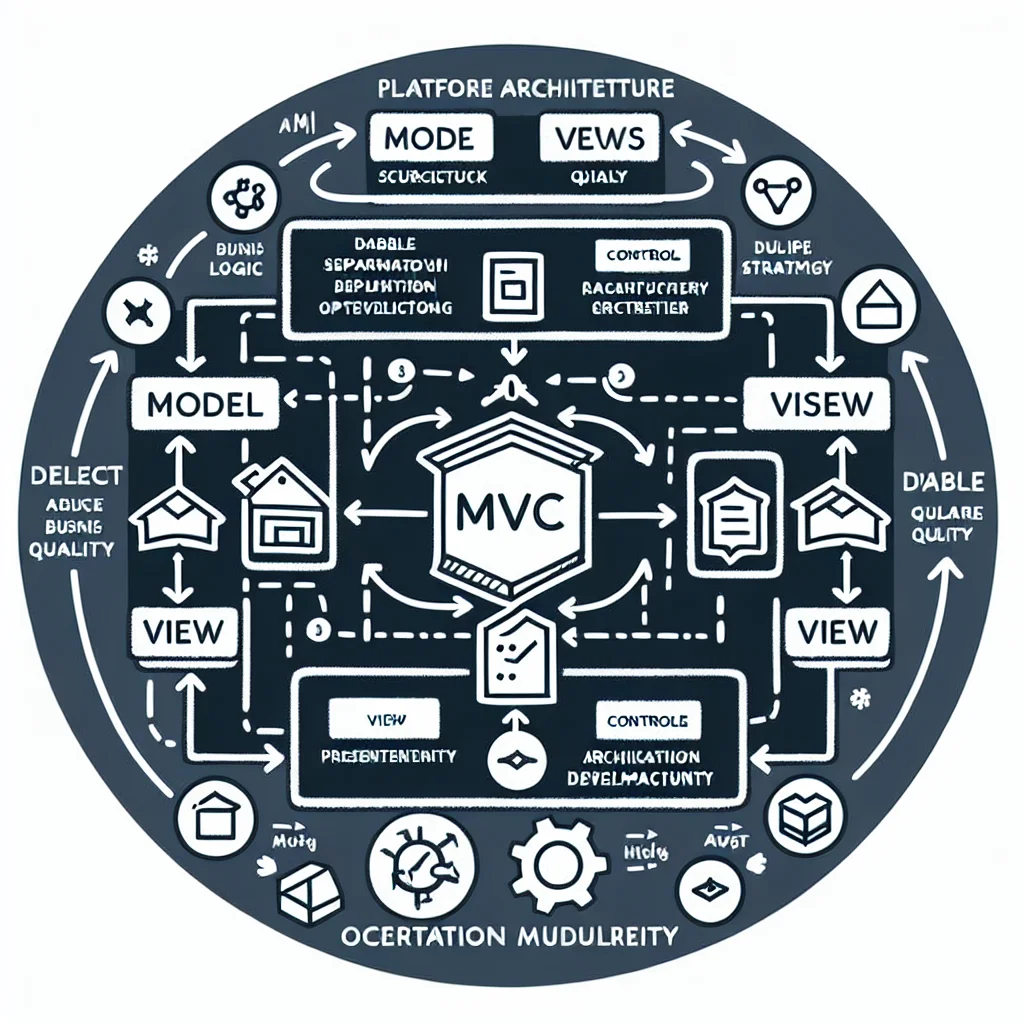
Model-View-Controller (MVC): The Structural Backbone of Modern Web Applications
Model-View-Controller, usually shortened to MVC, remains one of the most durable architectural patterns in software development. It gives teams a practical way to separate business logic, presentation, and user interaction so applications stay easier to build, extend, test, and maintain. This article explains what MVC is, why it still matters, where it fits in today’s web stacks, and how it connects to broader platform architecture, delivery quality, migration strategy, and operational maturity.

Streamlining Code Quality: Testing with ESLint and Prettier
This article details the integration of ESLint and Prettier into modern development and testing workflows, focusing on practical implementation for consistent code quality and style.

Database Marketing: A Modern Approach to Customer Relationships
Database marketing is essential for modern customer relationship management. Learn how strategic data use, technical expertise, and innovation drive personalized customer interactions and sustainable growth.

Prompt Invariance: Does the Conclusion Survive the Prompt?
A practical methodology for testing whether an AI conclusion depends on the way a problem was framed. Prompt Invariance compares original, blind, inverted and adversarial formulations while keeping the evidence structure controlled.

Qwen 3.6 in Production: Release Runbook, AI Rollback, and LLMOps Versioning
Qwen 3.6 is not just another model upgrade. It is a release event, a rollback scenario, and a versioning problem at the same time. This article explains how Qwen 3.6 should be handled in production through LLMOps discipline, prompt and model traceability, controlled rollout, and evidence-based rollback readiness.