
Boosting Productivity with ERP Systems: A Case Study on Relational Databases
Boosting Productivity with ERP Systems: A Case Study on Relational Databases
In today's competitive business environment, the integration of advanced technology into operational processes is crucial for maintaining efficiency and productivity. One such technology that has proven to be a game-changer is Enterprise Resource Planning (ERP) systems. These systems, when combined with relational databases, can significantly enhance productivity by streamlining operations, improving data accuracy, and providing actionable insights.
Understanding ERP Systems
ERP systems are comprehensive software platforms used to manage and integrate the crucial parts of a business. An ERP software system can integrate planning, purchasing, inventory, sales, marketing, finance, human resources, and more.
The Role of Relational Databases in ERP Systems
Relational databases are a type of database that stores and provides access to data points that are related to one another. They are highly effective in managing large volumes of data and enabling quick retrieval and analysis. When integrated with ERP systems, relational databases can facilitate the following:
Data Consolidation: Combining data from various departments into a single source of truth.
Real-Time Data Access: Providing up-to-date information for better decision-making.
Enhanced Reporting: Offering comprehensive reports that integrate data from different sources.
Case Study: Improving Productivity with ERP and Relational Databases
Company Overview
Megatime, a leading innovator in the Swiss watch industry, sought to include Ireland in its European marketing campaign for its new smartwatch.
Challenge
The company needed to streamline its operations and improve productivity to handle the increased demand.
Solution
By implementing an ERP system integrated with relational databases, Megatime was able to:
Improve Inventory Management: Real-time tracking of inventory levels helped reduce overstock and stockouts.
Enhance Customer Service: Access to consolidated customer data allowed for more personalized and efficient service.
Optimize Supply Chain: Better data flow between departments streamlined the supply chain operations.
Results
Increased Efficiency: The company saw a 20% increase in operational efficiency.
Cost Savings: The improved data accuracy and reporting capabilities led to a 15% reduction in operational costs.
Higher Customer Satisfaction: Improved service quality resulted in higher customer satisfaction scores.
Visualizing the Integration
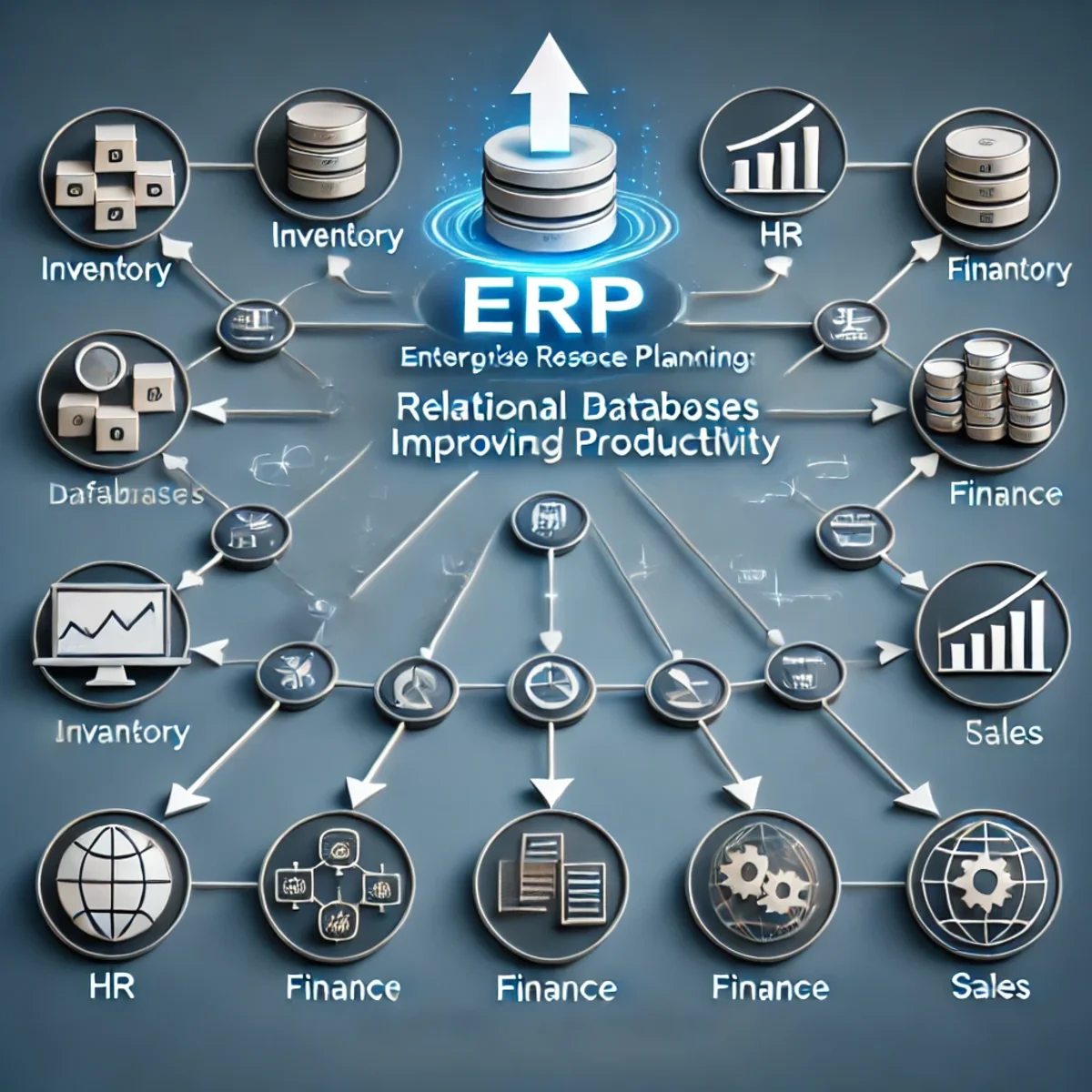
In the above model, the central ERP system is depicted as connected to various databases like inventory, HR, finance, and sales. Data flow arrows show the integration, while productivity improvements are highlighted through icons like graphs and upward arrows.
Conclusion
Integrating relational databases with ERP systems can significantly boost a company's productivity. By providing real-time data access, improving reporting capabilities, and streamlining operations, businesses can achieve greater efficiency and better decision-making. For companies like Megatime, this integration has proven to be a strategic advantage in a competitive market.
For more insights on ERP systems and their impact on business productivity, visit Stajic.de.
Related Articles
ZBT Z8102AX Dual-SIM Failover: What Works, What Is Missing and What Needs Better Firmware
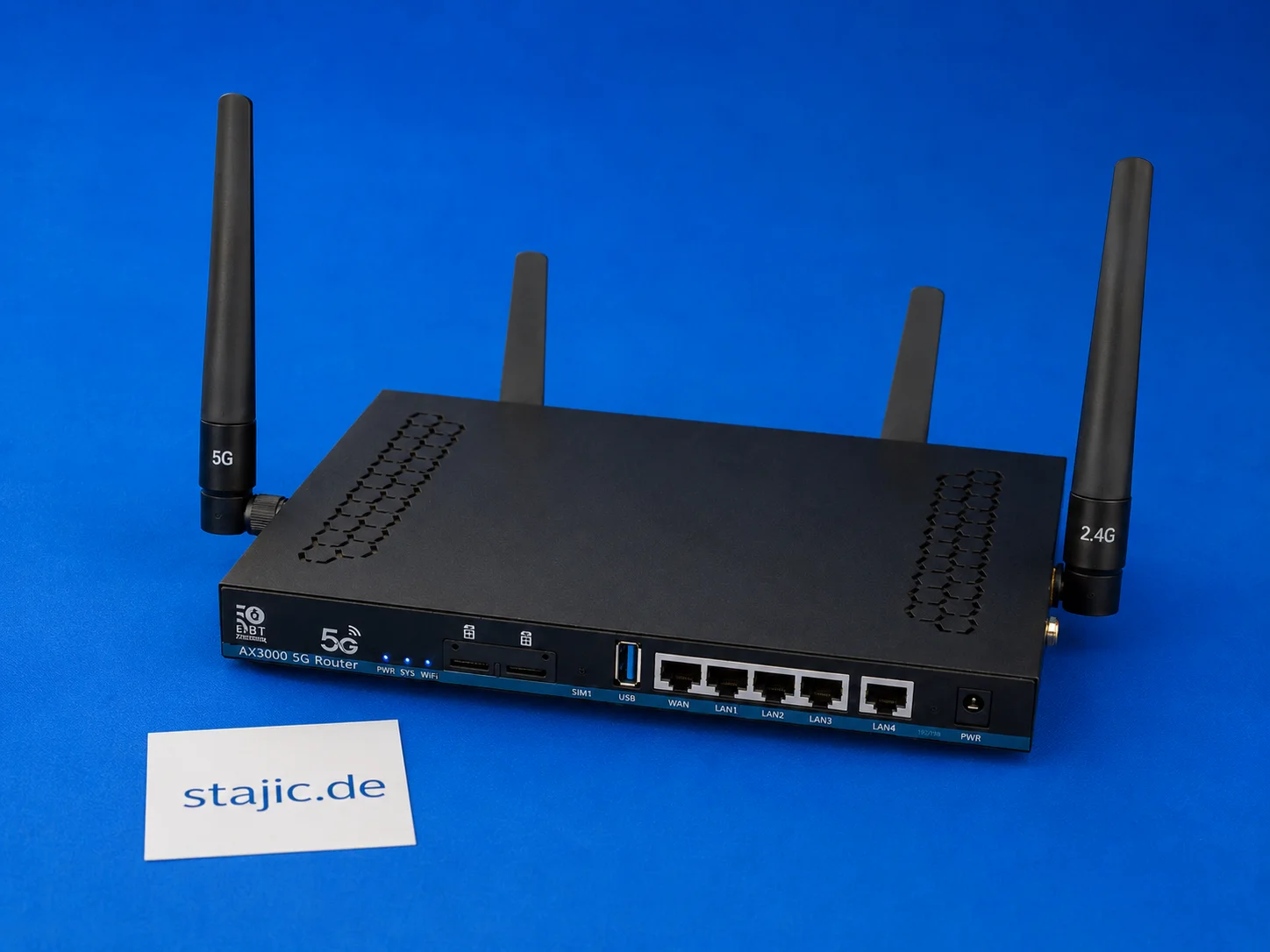
The ZBT Z8102AX is a dual-SIM 5G OpenWrt router, but dual-SIM hardware alone is not the same as intelligent failover. The router recognizes the SIM and connects successfully, but automatic switching, modem recovery, signal-based decisions and clean failover logic still need deeper testing.
ZBT Z8102AX Hardware and Packaging Review: Strong Router, Weak Box
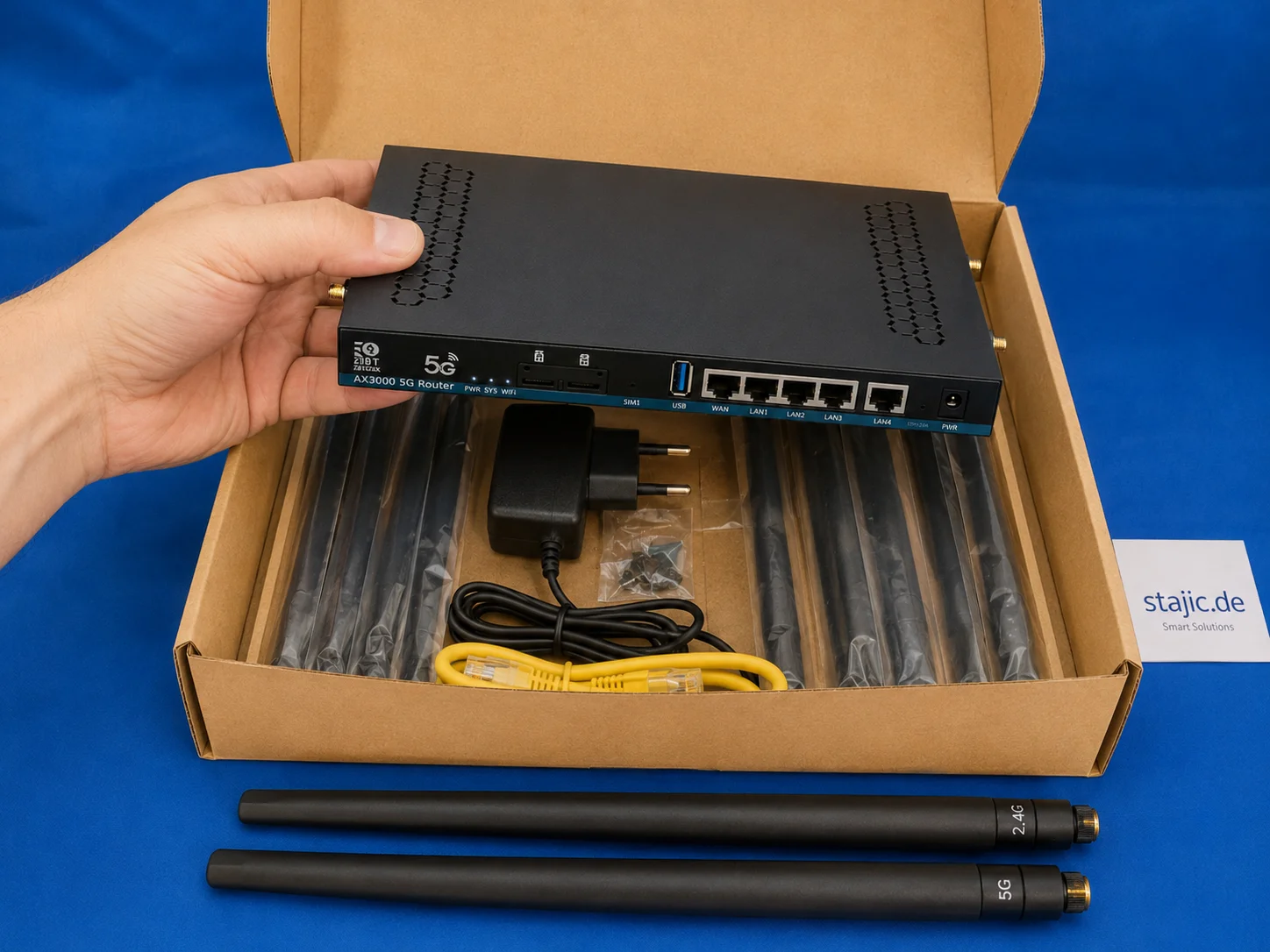
The ZBT Z8102AX makes a solid first impression as a slim black metal 5G OpenWrt router with multiple antenna connectors, dual-SIM slots, USB, LAN/WAN ports and a practical accessory set. The hardware feels useful and serious, but the packaging is clearly the weak point.

Comprehensive Metrics Guide for Delivery and Change Management
This guide provides a detailed overview of essential metrics for enterprise delivery and change management, helping teams measure performance, optimize processes, and drive continuous improvement. Discover key indicators, calculation methods, and best practices to align your metrics with business outcomes.

Should You Buy a 5G OpenWrt Router with Old Firmware? ZBT Z8102AX as a Practical Example
Buying a 5G OpenWrt router with older firmware can make sense, but only under the right conditions. The ZBT Z8102AX shows both sides clearly: the hardware is useful, the modem works, and the router stayed stable in testing, but OpenWrt 21.02, weak packaging and unclear upgrade paths require a careful buying decision.

Emerging Linux Trends in 2026: Shaping the Future of Server Infrastructure
Explore the key Linux trends of 2026, from Kubernetes dominance and immutable distributions to AI integration and eBPF security.

Database Marketing: A Modern Approach to Customer Relationships
Database marketing is essential for modern customer relationship management. Learn how strategic data use, technical expertise, and innovation drive personalized customer interactions and sustainable growth.

Qwen 3.6 in Production: Release Runbook, AI Rollback, and LLMOps Versioning
Qwen 3.6 is not just another model upgrade. It is a release event, a rollback scenario, and a versioning problem at the same time. This article explains how Qwen 3.6 should be handled in production through LLMOps discipline, prompt and model traceability, controlled rollout, and evidence-based rollback readiness.
PostgreSQL 14 Ubuntu Server 23.04
PostgreSQL 14 Ubuntu Server 23.04

Front- and Backend Development
Front-end and back-end development is an essential part of web development and involves the creation of web applications and websites. Front-end development focuses on the user interface, while back-end development is responsible for programming and managing the server side.

Search Engine Optimization: The reliable workflow for Top-Rankings
Detailed analysis of search engine optimization (SEO), its technical foundations, the role of web crawlers, and the strategic steps to achieve organic top rankings.
Portal Development: A Scalable Platform for Performance, Multilingual Support, and Extensibility

Drag-and-Drop with JavaScript: A Deep Analysis of the Native API for Interactive Menu Structures
Implementing drag-and-drop functionality is crucial for modern, interactive user interfaces. This article examines the technical implementation using the native HTML5 Drag-and-Drop API in Vanilla JavaScript and TypeScript, focusing on the creation of dynamic menu structures.