
Enterprise Start Here: Your Gateway to Operational Excellence

Welcome to Enterprise: Start Here
If you're new to our enterprise platform or looking to optimize your operations, you've arrived at the right place. The Start Here hub serves as your comprehensive onboarding center, guiding you through proven frameworks, tools, and processes tailored for enterprise-scale deployments. Whether you're a C-suite executive, IT leader, or operations manager, this page outlines a clear path to leverage our resources effectively.
Why Start Here?
Enterprise environments demand reliability, scalability, and efficiency. Our platform addresses these needs with battle-tested components that reduce implementation time, minimize risks, and drive measurable outcomes. Starting here ensures you build on solid foundations rather than reinventing processes from scratch.
Success in enterprise operations begins with the right blueprint—not trial and error.— Enterprise Operations Principle
Your Structured Onboarding Path
Follow this sequential path to maximize value. Each step builds on the previous, integrating seamlessly across our ecosystem.
- Review Reference Models to understand industry-standard architectures and best practices.
- Dive into Playbooks for step-by-step strategies on common enterprise scenarios.
- Implement with Runbooks for precise, repeatable execution of critical procedures.
- Measure progress using Assessments to benchmark and refine your operations.
Step 1: Explore Reference Models
Reference models provide blueprints for enterprise architectures, covering areas like cloud migration, security postures, and DevOps pipelines. These models are derived from real-world deployments across Fortune 500 companies, ensuring applicability without customization overhead. Begin here to align your strategy with proven patterns.
Step 2: Master Playbooks
Playbooks translate high-level strategies into actionable guides. From incident response to scaling infrastructure, each playbook includes decision trees, checklists, and integration points with your existing tools. Use them to orchestrate complex initiatives with confidence.
Step 3: Execute with Runbooks
Runbooks are your tactical execution manuals. Designed for on-demand use, they detail exact commands, API calls, and troubleshooting flows. Ideal for 24/7 operations teams, runbooks ensure consistency and speed during high-pressure situations.
Step 4: Evaluate with Assessments
Assessments offer objective scoring frameworks to gauge maturity levels against benchmarks. Run self-assessments or guided audits to identify gaps, prioritize improvements, and track ROI over time.
Best Practices for Getting Started
- Assemble a cross-functional team including IT, security, and business stakeholders.
- Set clear KPIs aligned with your reference model selections.
- Pilot one playbook in a non-production environment before full rollout.
- Schedule quarterly assessments to maintain momentum.
- Leverage our community forums for peer insights and support.
Ready to Take the Next Step?
This hub is your launchpad. Bookmark it and refer back as you progress. For personalized guidance, contact our enterprise success team. Transform your operations today—start with Reference Models.
Related Articles

IA con aislamiento de red: cómo funcionan los sistemas de IA sin acceso a Internet ni a la nube
La IA con aislamiento de red ejecuta modelos, RAG y aplicaciones de IA dentro de un dominio de seguridad aislado sin dependencias de internet ni de la nube. Descubra cómo funcionan los modelos, los datos, las actualizaciones y las herramientas sin conexión.

¿Cuándo debería una IA dejar de confiar en su propio conocimiento? — El desencadenante de la recuperación
Un modelo de IA no necesita recuperación para cada pregunta. El problema importante es saber cuándo su conocimiento interno ya no es suficiente. El Disparador de Recuperación es un límite de decisión práctico que determina cuándo un sistema de IA debe dejar de depender únicamente del conocimiento del modelo y obtener evidencia externa antes de responder.

De un protocolo de investigación a un marco general de razonamiento de IA
Una metodología desarrollada para la investigación rigurosa asistida por IA puede generalizarse mucho más allá de la propia investigación. Al separar la evidencia de los supuestos, poner a prueba hipótesis competidoras, controlar el encuadre del prompt, buscar contraevidencia y aplicar validadores específicos del dominio, la misma arquitectura de razonamiento puede mejorar la depuración, el diseño de software, la estrategia, el análisis técnico y el soporte a la toma de decisiones asistido por IA.

¿Qué tan lejos está una afirmación de IA de la evidencia? — Distancia a la evidencia
No todas las respuestas respaldadas están igualmente cerca de su evidencia. La Distancia a la Evidencia es una forma práctica de describir cuántas transformaciones, resúmenes, suposiciones y pasos inferenciales separan una afirmación de IA de la evidencia directamente inspeccionable.
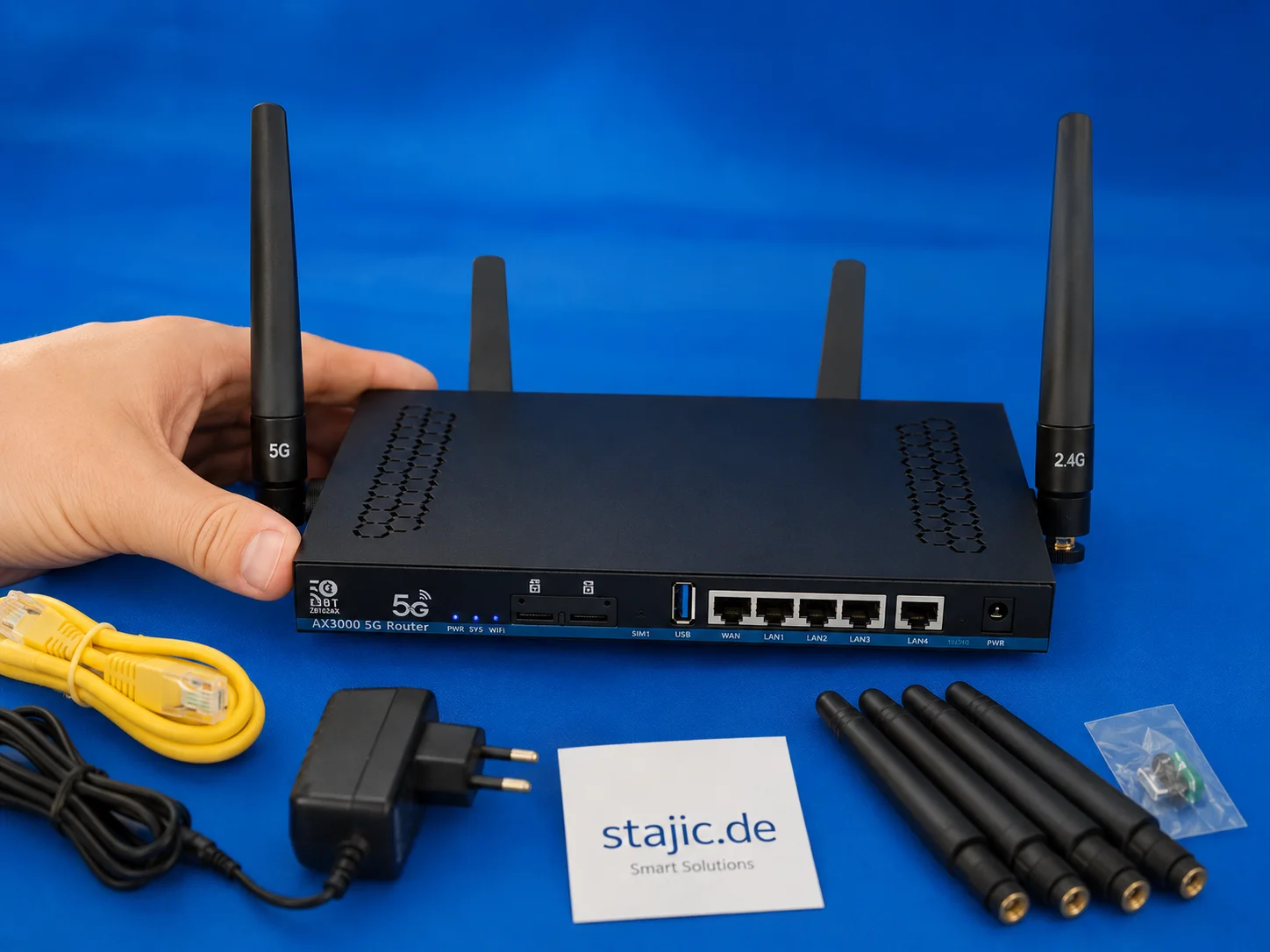
Análisis del router 5G OpenWrt ZBT Z8102AX: doble SIM, RM500U-EA y una valoración honesta
El ZBT Z8102AX es un router 5G inusual con una base OpenWrt, un concepto de doble SIM y un módem Quectel RM500U-EA. En las pruebas, muestra claras fortalezas en flexibilidad, interfaces y conectividad móvil, pero también las debilidades típicas de una compilación de OpenWrt modificada por el fabricante.

MCP explicado: qué conecta, qué no hace y dónde encaja
El Protocolo de Contexto de Modelo conecta aplicaciones de IA con herramientas, recursos y prompts externos a través de un límite estándar cliente-servidor. Aprende qué hace MCP, qué no hace y dónde encaja en la arquitectura de agentes.

Migrar del SDK de Agentes de OpenAI a la API de Agentes: ¿Qué cambia realmente a nivel arquitectónico?
Migrar del SDK de OpenAI Agents a la nueva API de Agents no es un simple cambio de nombre de importación. El límite del entorno de ejecución cambia: el bucle del agente, la sesión duradera, la orquestación, la compactación de contexto y la recuperación se trasladan hacia un harness gestionado. Esta guía muestra qué debería migrarse, qué debería permanecer en tu aplicación y cómo demostrar la migración antes del cambio definitivo.
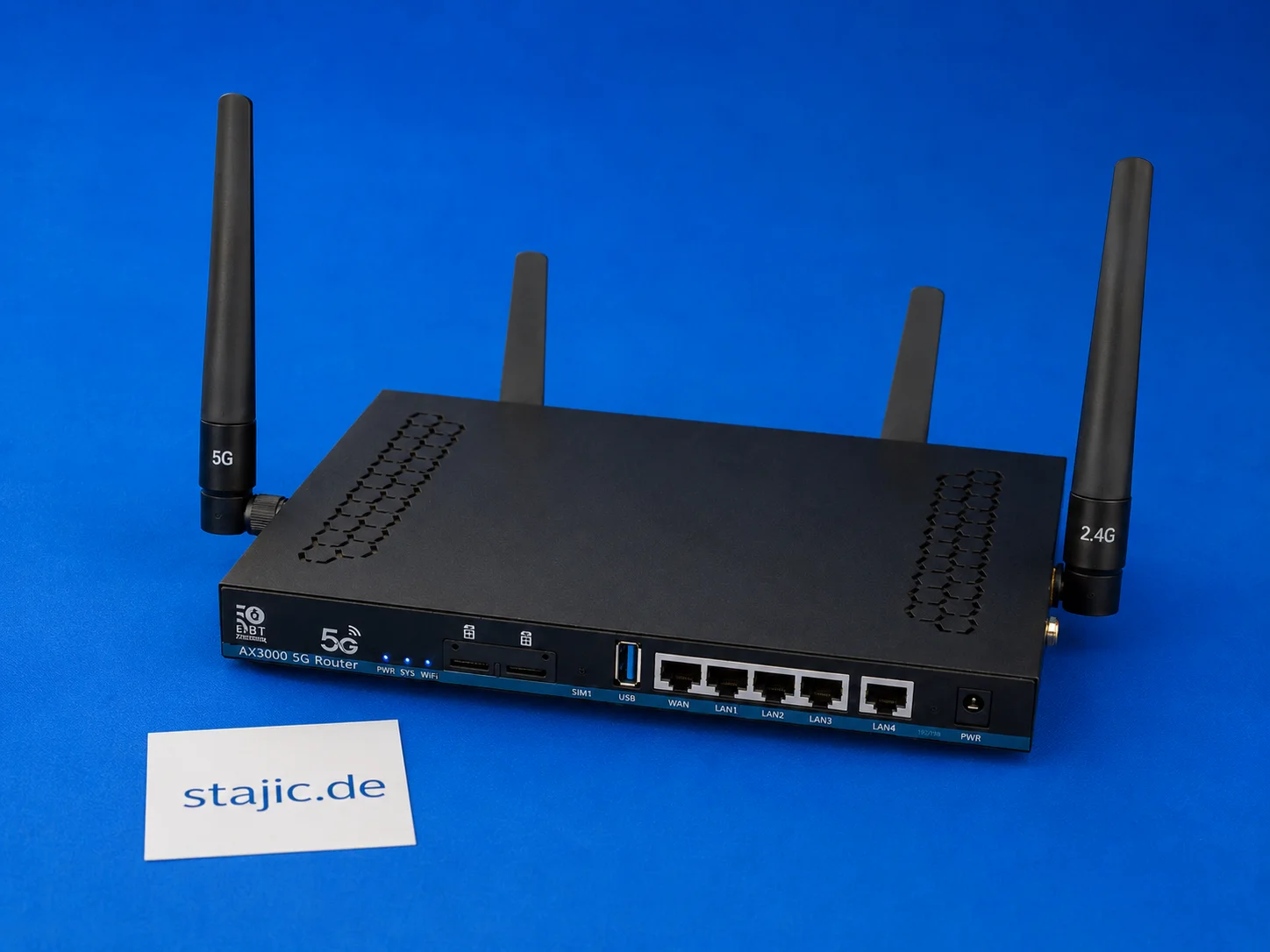
Conmutación por error de doble SIM del ZBT Z8102AX: qué funciona, qué falta y qué necesita un mejor firmware
El ZBT Z8102AX es un router OpenWrt 5G de doble SIM, pero el hardware de doble SIM por sí solo no es lo mismo que una conmutación por error inteligente. El router reconoce la SIM y se conecta correctamente, pero el cambio automático, la recuperación del módem, las decisiones basadas en la señal y una lógica de conmutación por error limpia aún necesitan pruebas más profundas.

Google I/O 2026: Giros arquitectónicos, IA agéntica y la dosis de realidad del ecosistema unificado
Google I/O 2026 no fue solo un evento de modelos. Mostró un cambio de plataforma más profundo en los modelos Gemini, las herramientas de desarrollo, las superficies vinculadas a Android y los dispositivos inteligentes. Este artículo desglosa la conferencia principal como un artículo central para ingenieros, arquitectos y equipos de producto que necesitan separar las implicaciones reales en tiempo de ejecución de la exageración del escenario.

¿Qué es un arquitecto de plataforma de IA? Modelos, datos, entorno de ejecución, seguridad y operaciones
Un Arquitecto de Plataformas de IA diseña fundamentos de IA reutilizables a través de modelos, proveedores, recuperación, agentes, identidad, seguridad, evaluación, observabilidad y operaciones.

IA soberana: control de modelos, datos, infraestructura y dependencias
La IA soberana se trata del control efectivo sobre los modelos, los datos, la infraestructura, el software, las operaciones y las dependencias estratégicas, no simplemente de dónde está alojado un modelo de IA.
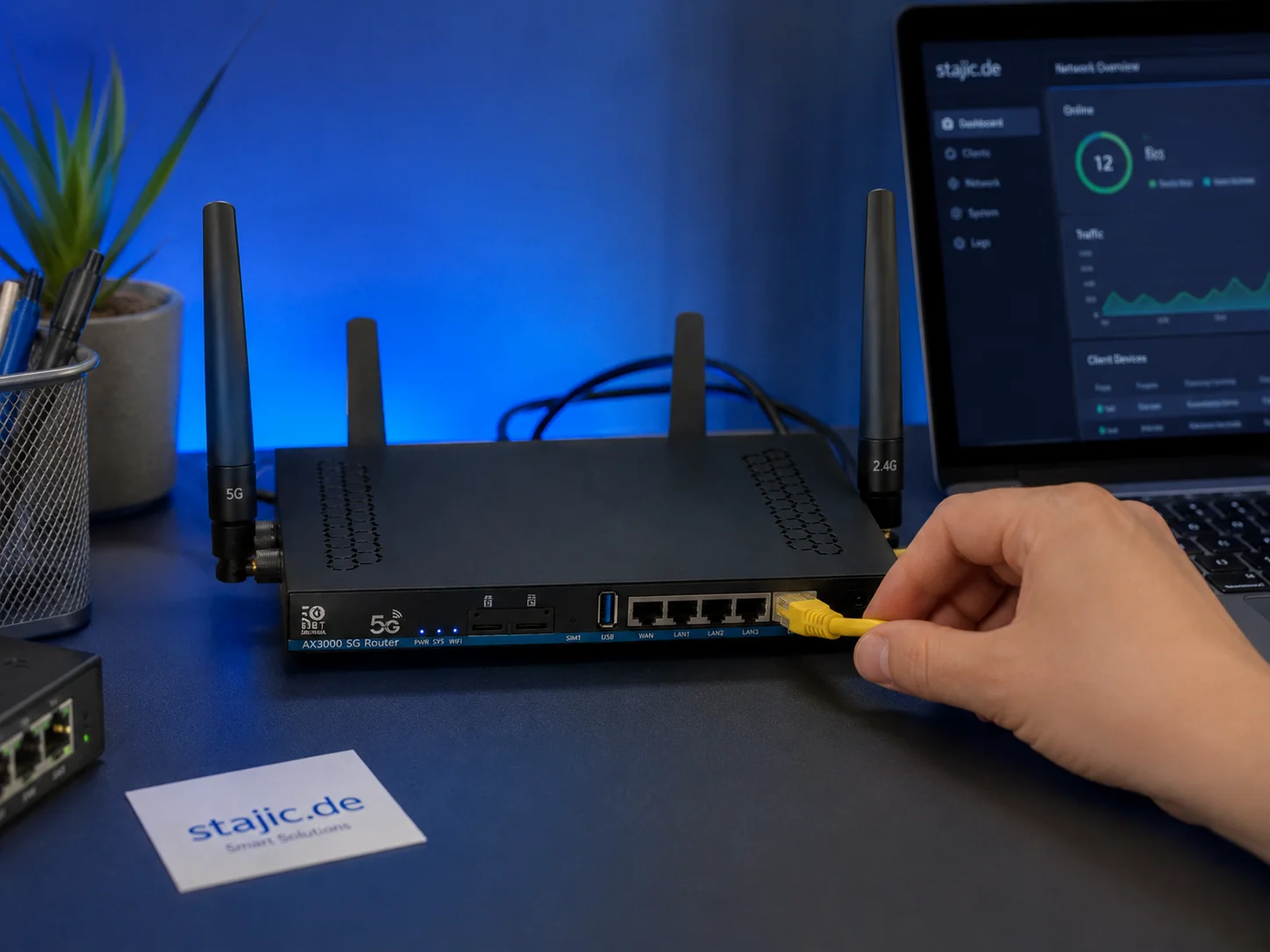
Reseña del firmware OpenWrt 21.02 de ZBT Z8102AX: lo suficientemente estable, pero ¿está preparado para el futuro?
El ZBT Z8102AX ejecuta una compilación de OpenWrt 21.02 modificada por el proveedor con el kernel 5.4.246. En las pruebas prácticas, el firmware funcionó correctamente y mantuvo el router estable durante varios días, pero la base antigua plantea preguntas importantes sobre la seguridad, el control del módem, las rutas de actualización y la mantenibilidad a largo plazo.