
Should You Buy a 5G OpenWrt Router with Old Firmware? ZBT Z8102AX as a Practical Example
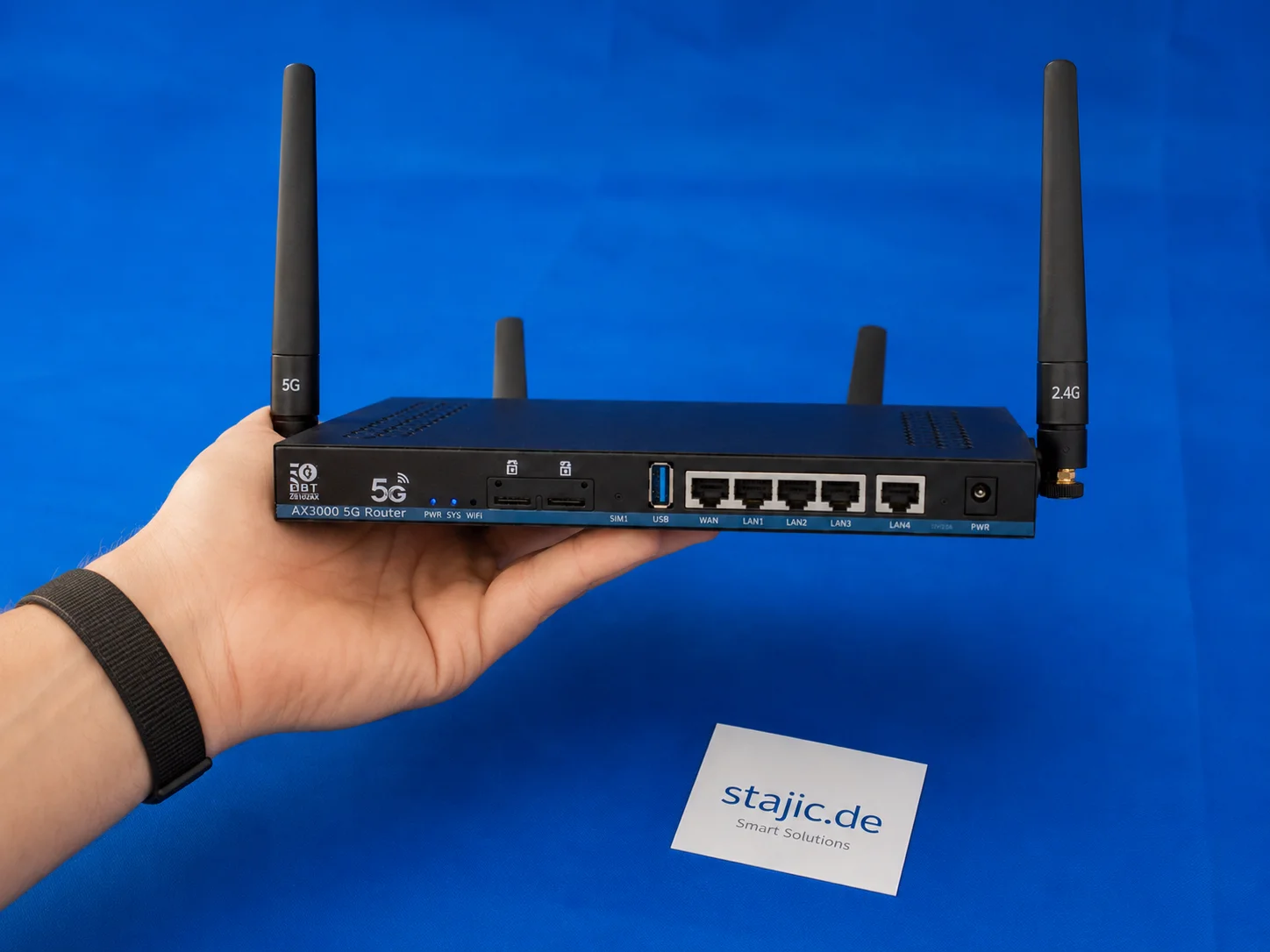
Should You Buy a 5G OpenWrt Router with Old Firmware? ZBT Z8102AX as a Practical Example
A 5G OpenWrt router with old firmware is not automatically a bad purchase. It can be a useful device if the hardware is solid, the modem works reliably and the system stays stable. But it is also not a purchase that should be made blindly. The ZBT Z8102AX is a good practical example because it shows both sides clearly.
The tested router works, recognizes the SIM card, connects through the Quectel RM500U-EA modem and remained stable during the first test period. At the same time, it runs a vendor-modified OpenWrt 21.02 build with kernel 5.4.246. That makes the buying decision more complex than simply asking whether the device has 5G and OpenWrt.
Part of the ZBT Z8102AX Test Series
This article focuses on the buying decision. The main review is available at /blog/zbt-z8102ax-5g-openwrt-router-review. The hardware and packaging review is available at /blog/zbt-z8102ax-hardware-packaging-review. The firmware article is available at /blog/zbt-z8102ax-openwrt-2102-firmware-review. The modem article is available at /blog/zbt-z8102ax-rm500u-ea-5g-modem-test. The dual-SIM and failover article is available at /blog/zbt-z8102ax-dual-sim-failover-test.
The Core Question
The real question is not whether old firmware is always unacceptable. The real question is whether the device is stable, recoverable and useful for the intended purpose. A router with old firmware can still be valuable if it does its main job reliably and if the user understands the limits.
For a private test setup, lab use, mobile internet experiments or controlled homelab environment, a working OpenWrt 21.02-based device can still make sense. For a professional product, resale strategy or business-critical deployment, the same firmware situation becomes a much bigger issue.
When Buying Can Make Sense
Buying a 5G OpenWrt router with older firmware can make sense when the hardware is strong enough, the modem is recognized, the mobile connection is stable and the buyer wants a flexible platform instead of a polished consumer product. In this situation, the ZBT Z8102AX is not a toy. It is a serious enough sample device for further testing.
- The router boots reliably
- The modem is detected correctly
- The SIM card is recognized
- The mobile connection works
- The system remains stable for several days
- The user understands OpenWrt basics or wants to learn them
- The device is used for testing, homelab, backup WAN or advanced networking
When Buying Is Risky
Buying becomes risky when the buyer expects a polished consumer experience, automatic updates, simple support and a modern long-term firmware path. Vendor-modified OpenWrt builds are often practical, but they are not always clean, transparent or easy to upgrade.
The risk is higher if the router is intended for resale, professional deployment or business-critical internet access. In those cases, missing firmware documentation, unclear recovery procedures and weak packaging can become real business problems.
- You need a polished plug-and-play product
- You expect long-term automatic updates
- You cannot recover the device if flashing fails
- You need guaranteed professional support
- You need proven automatic dual-SIM failover
- You want to resell the product without deeper testing
- You need a fully documented firmware and compliance path
Old Firmware Is Not the Only Problem
It would be too simple to say that OpenWrt 21.02 alone decides the value of the router. Firmware age matters, but the bigger issue is the whole ecosystem around the device: original factory image, recovery mode, modem support, SIM control, documentation and update policy.
A newer firmware is only better if it supports the exact hardware correctly. If a newer image breaks modem power, dual-SIM switching or recovery, it is worse than an older firmware that works. That is why a careful buyer should not flash blindly.
Value Depends on the Whole Package
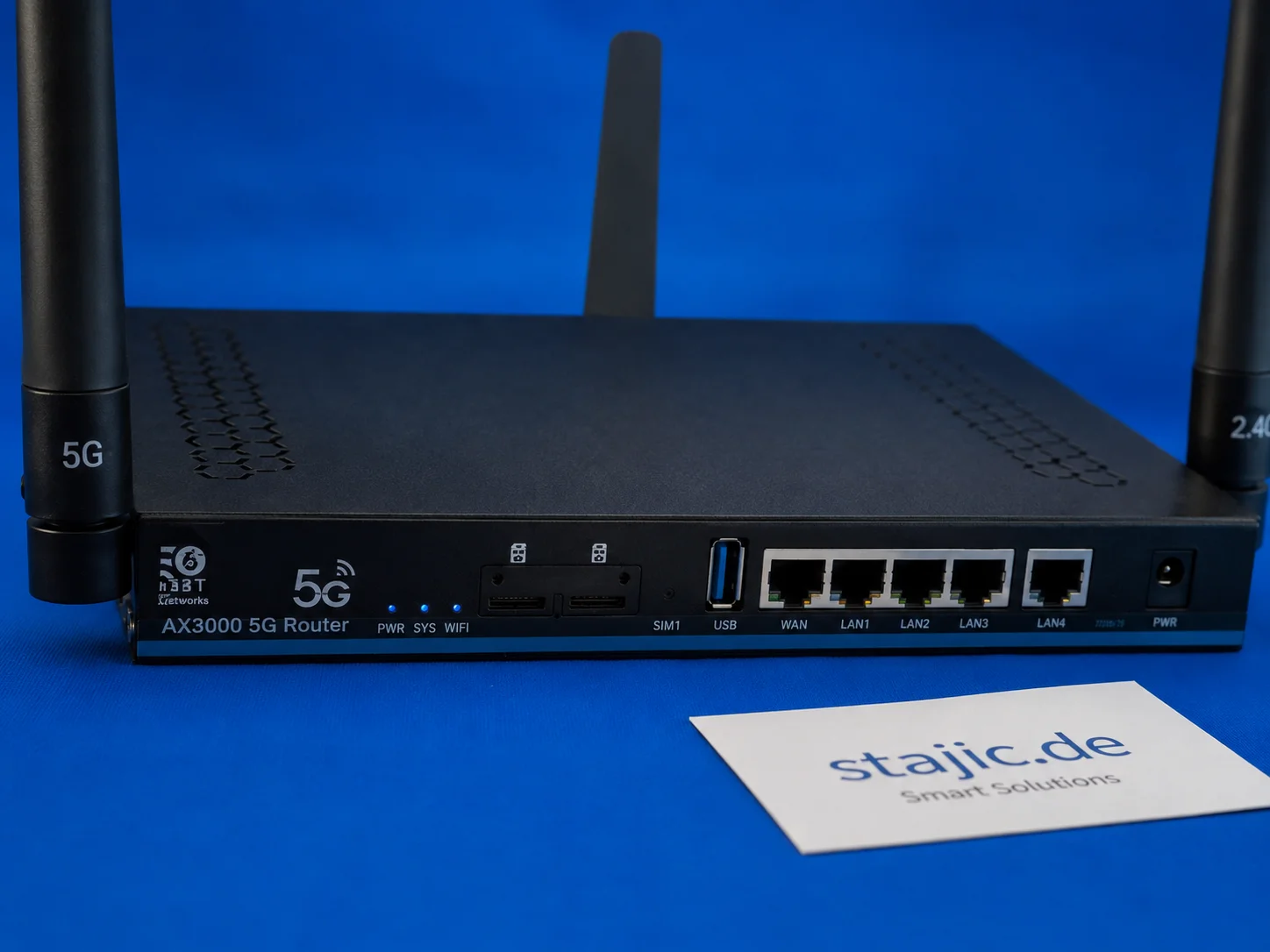
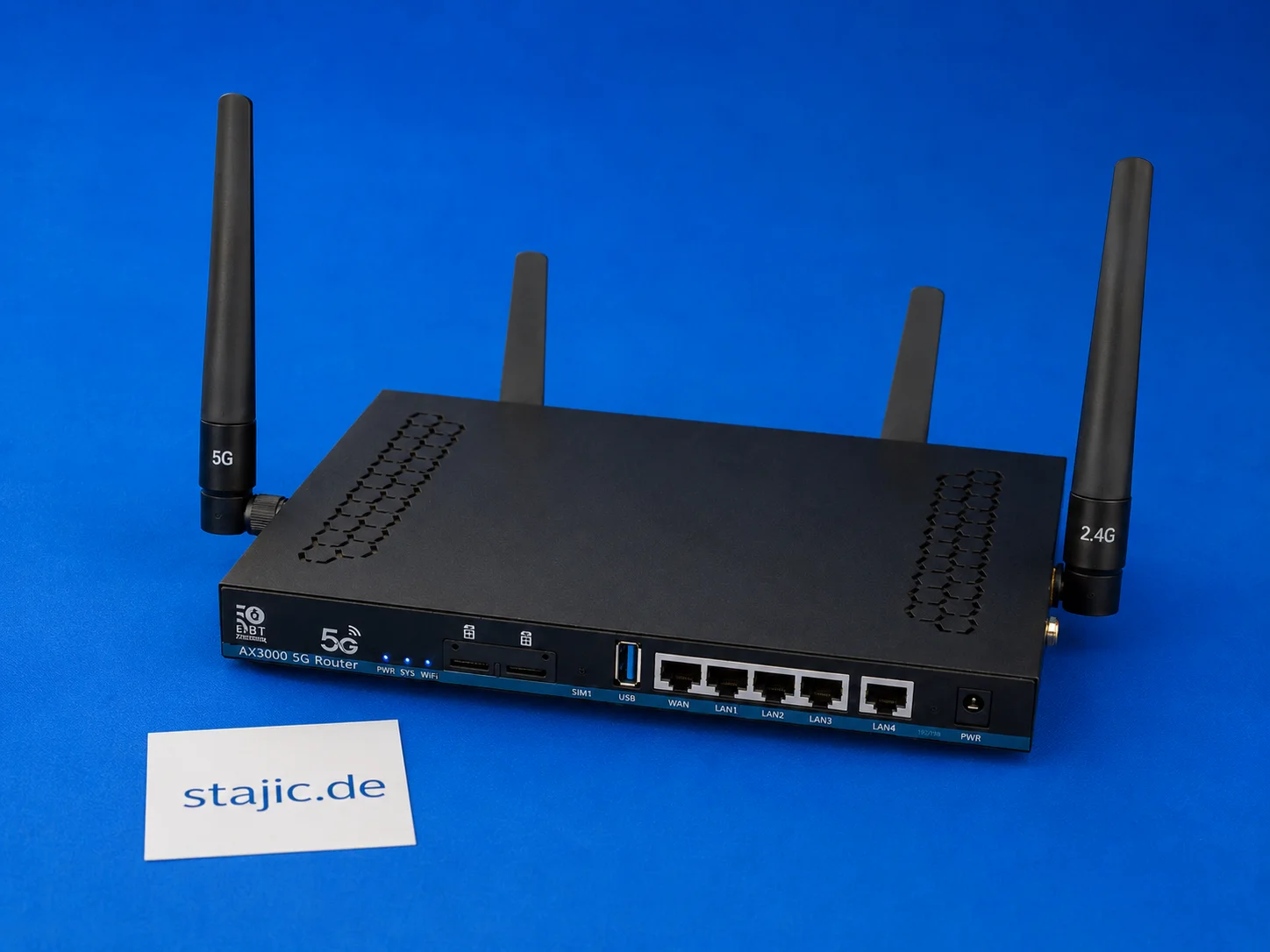
The ZBT Z8102AX has several real strengths: 5G connectivity, a Quectel RM500U-EA modem, dual-SIM hardware, multiple Ethernet ports, external antennas and an OpenWrt-based system. These are not small features. A router like this belongs above cheap consumer hotspots.
At the same time, value depends on execution. Packaging, firmware quality, documentation, support and upgrade path decide whether the product feels like a serious prosumer router or only like an interesting OEM sample.
Market Price and the Race to the Bottom
A device in this class can justify a market positioning around 300 to 400 EUR if the firmware, packaging, documentation, warranty and support are handled properly. The hardware is useful enough to be taken seriously, especially for advanced users and 5G failover scenarios.
But the market will probably become more aggressive. It is only a matter of time before more similar routers appear and price pressure increases. That can be good for buyers, but it can also lead to weaker quality, worse packaging, less support and more unstable firmware.
Sometimes More Expensive Is Cheaper
In networking hardware, the cheapest option is often not the cheapest in practice. A router that needs hours of troubleshooting, has weak recovery options, poor packaging, unstable firmware or unclear modem behavior can become expensive very quickly.
Sometimes the more expensive option is cheaper because it saves time, support effort and risk. This is especially true for 5G OpenWrt routers, where modem integration, antenna quality and firmware recovery can matter more than a low purchase price.
Buying Checklist
Before buying a 5G OpenWrt router with older firmware, the following points should be checked carefully. This checklist is based on the first ZBT Z8102AX test experience.
- Exact hardware model and revision
- Exact modem model
- Supported LTE and 5G bands
- Current firmware version
- Kernel version
- Original factory firmware image availability
- Recovery method
- SIM switching behavior
- Modem diagnostics
- Band locking options
- Packaging quality
- Compliance documentation
- Seller support and update policy
ZBT Z8102AX as a Practical Example
The ZBT Z8102AX is a useful example because it is neither clearly bad nor clearly finished. The router works, the modem is active, the SIM is recognized, the connection is stable enough and the hardware feels serious. That is the positive side.
The negative side is also clear: OpenWrt 21.02 is old, the vendor firmware needs deeper evaluation, automatic dual-SIM failover is not yet proven, the packaging is too weak and the long-term upgrade path still needs verification.
Who Should Consider This Type of Router
- Advanced OpenWrt users
- Homelab users
- Mobile internet experimenters
- Users who need backup WAN
- People who want 5G with more control than a locked consumer router
- Technically experienced users who accept testing and configuration work
Who Should Avoid It
- Users who want a polished mainstream product
- Users who do not want to deal with firmware questions
- Users who need guaranteed long-term updates
- Users who need proven automatic failover immediately
- Users who cannot recover a router after a failed flash
- Businesses that need a certified, supported appliance without extra testing
Conclusion
Yes, buying a 5G OpenWrt router with older firmware can make sense. The ZBT Z8102AX proves that such a device can work, stay stable and provide real value as a flexible 5G networking platform.
But it only makes sense if the buyer understands the risks. Old firmware, unclear upgrades, weak packaging and unproven failover behavior are not small details. They decide whether the router is a smart purchase or an expensive support problem. For testing and advanced use, the ZBT Z8102AX is interesting. For professional positioning, the next step must be better firmware clarity, better packaging and a stronger long-term product strategy.
Related Articles
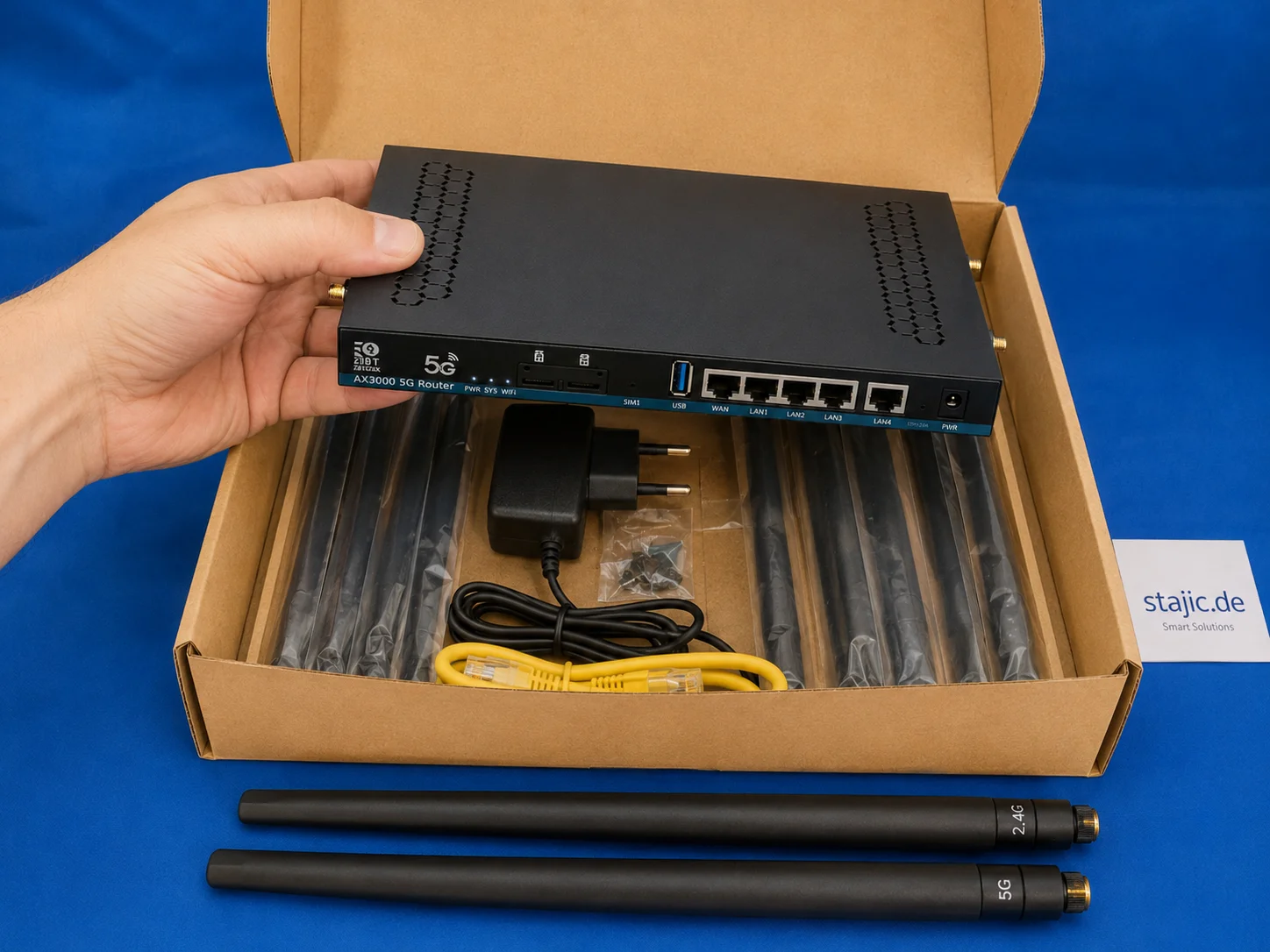
ZBT Z8102AX Hardware and Packaging Review: Strong Router, Weak Box
The ZBT Z8102AX makes a solid first impression as a slim black metal 5G OpenWrt router with multiple antenna connectors, dual-SIM slots, USB, LAN/WAN ports and a practical accessory set. The hardware feels useful and serious, but the packaging is clearly the weak point.
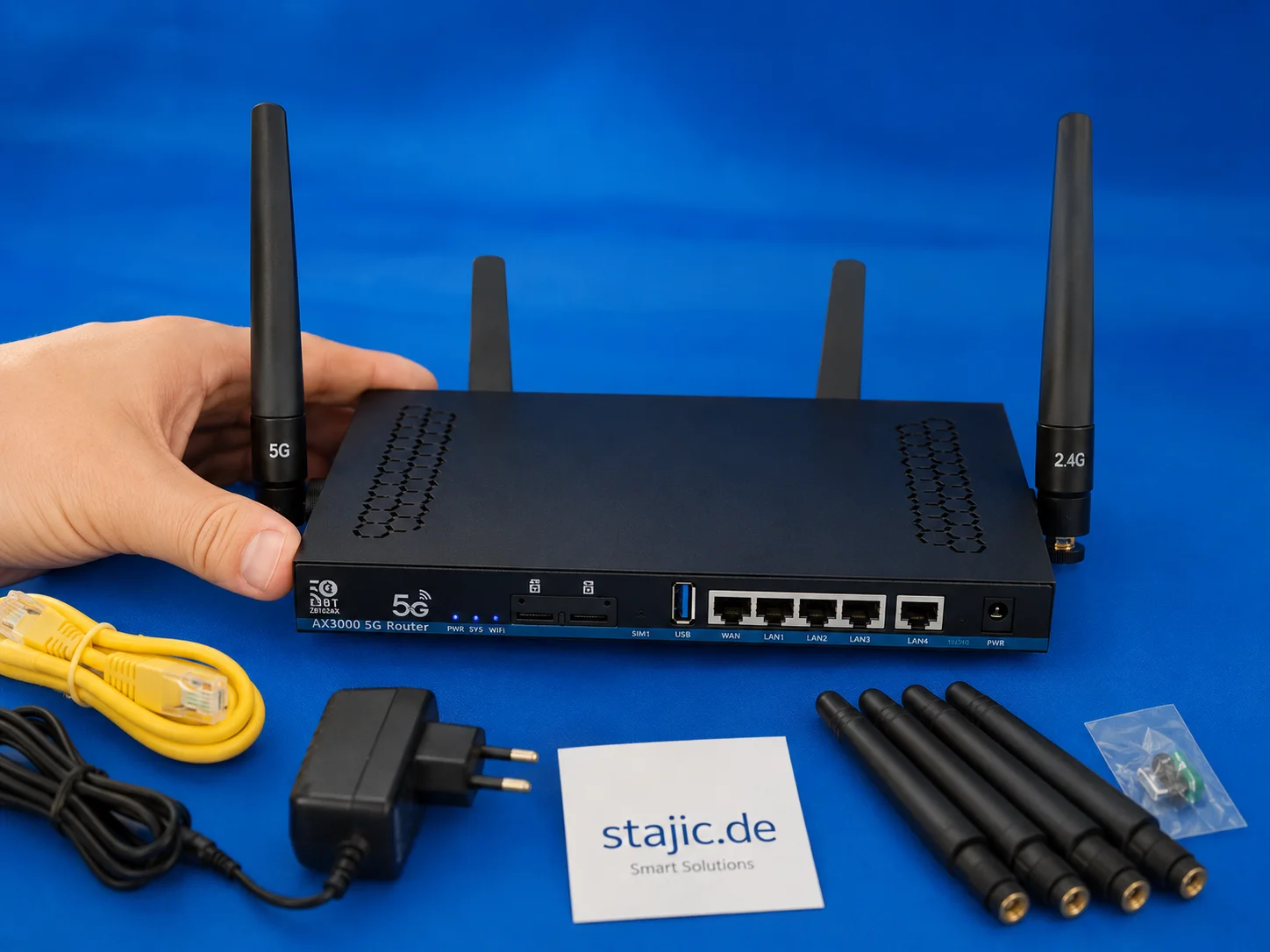
The Next OpenWrt 5G Router: Why Wi-Fi 7, a Stronger CPU and Better Firmware Matter
The ZBT Z8102AX is a useful first sample, but the next step should be stronger: Wi-Fi 7, a more powerful four-core platform, better firmware clarity, improved packaging and a more stable pricing policy. The goal is not just another 5G router, but a better configured OpenWrt-based prosumer device.
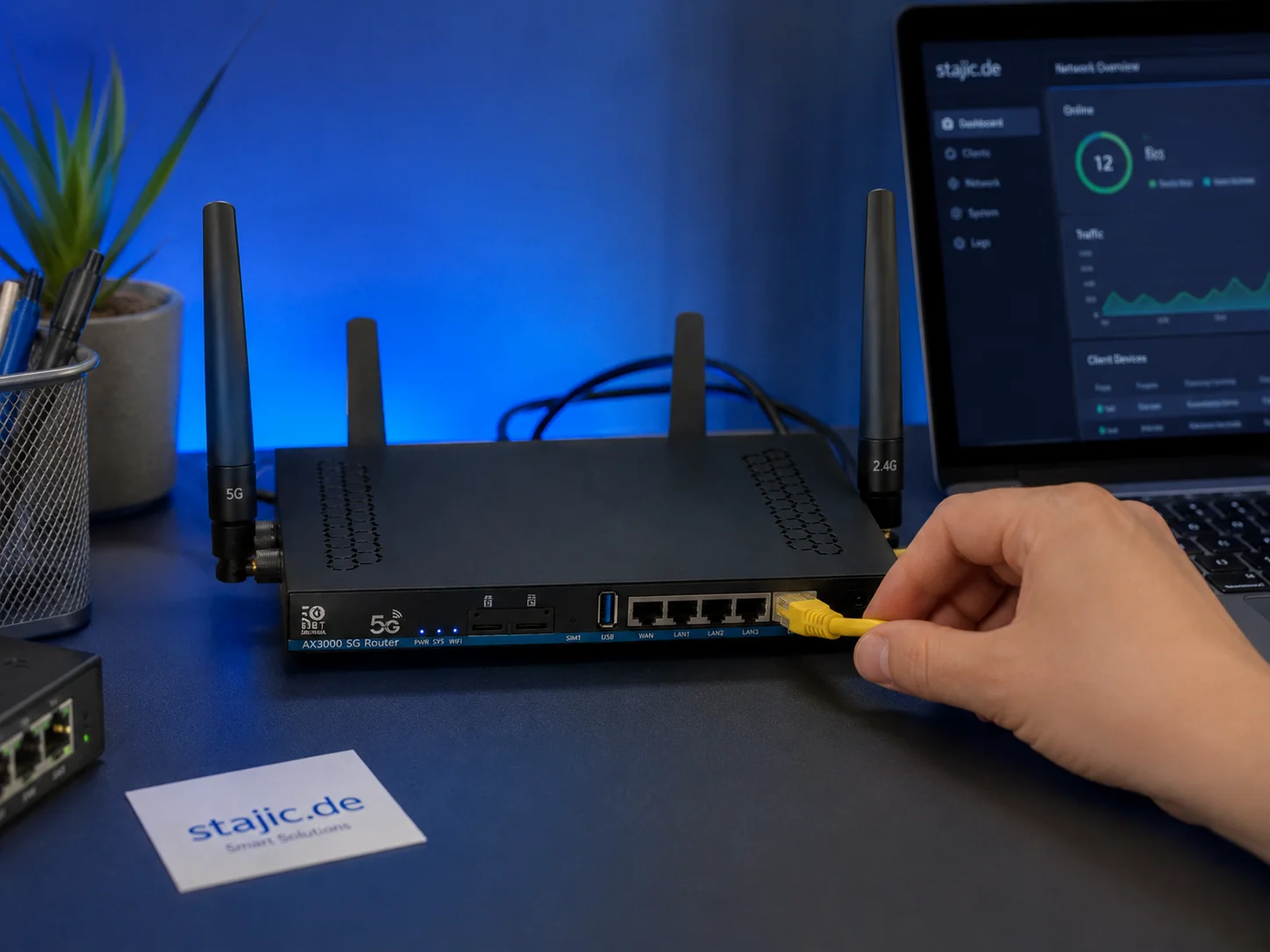
ZBT Z8102AX OpenWrt 21.02 Firmware Review: Stable Enough, but Is It Future-Proof?
The ZBT Z8102AX runs a vendor-modified OpenWrt 21.02 build with kernel 5.4.246. In practical testing, the firmware worked successfully and kept the router stable for several days, but the old base raises important questions about security, modem control, upgrade paths and long-term maintainability.

How to Know Whether an AI Agent Actually Used the Right Evidence
An AI agent can cite sources and still use the wrong evidence. This article introduces a practical method for checking claim support, source authority, applicability, provenance, and whether the evidence actually influenced the answer.

Computer-Use Agents: Why a Successful Demo Can Still Be an Unreliable System
Computer-use agents can now complete impressive browser and desktop workflows, but one successful run proves capability—not reliability. This article shows how to test repeatability, environmental robustness, long-horizon control, state awareness, outcome verification, and safe goal handling.

Why More Context Can Make AI Answers Worse
A larger context window does not guarantee a better answer. This article explains how signal dilution, conflicting evidence, stale state, position sensitivity, and lossy compression can reduce AI reliability—and introduces a practical Context Pressure Test.
Quectel RM500U-EA in the ZBT Z8102AX: 5G Bands, o2 Germany and Real-World Signal Behavior
The ZBT Z8102AX uses a Quectel RM500U-EA modem for 4G and 5G connectivity. In the first practical test, the router connected successfully to o2 Germany with LTE Band 3 and NR n28. The modem works, but deeper diagnostics such as RSRP, RSRQ, SINR, band locking and cell behavior still need proper testing.
ZBT Z8102AX 5G OpenWrt Router Review: Dual SIM, RM500U-EA and an Honest Assessment
The ZBT Z8102AX is an unusual 5G router with an OpenWrt base, a dual-SIM concept, and a Quectel RM500U-EA modem. In testing, it shows clear strengths in flexibility, interfaces, and mobile connectivity, but also the typical weaknesses of a vendor-modified OpenWrt build.
ZBT Z8102AX Dual-SIM Failover: What Works, What Is Missing and What Needs Better Firmware
The ZBT Z8102AX is a dual-SIM 5G OpenWrt router, but dual-SIM hardware alone is not the same as intelligent failover. The router recognizes the SIM and connects successfully, but automatic switching, modem recovery, signal-based decisions and clean failover logic still need deeper testing.

Migrating from OpenAI Agents SDK to the Agents API: What Actually Changes Architecturally?
Migrating from the OpenAI Agents SDK to the new Agents API is not an import rename. The runtime boundary changes: the agent loop, durable session, orchestration, context compaction and recovery move toward a managed harness. This guide shows what should move, what should stay in your application, and how to prove the migration before cutover.